#Bolt framework
119 related articles

·3 min
Building a Variational Autoencoder from Scratch: A Hands-on Guide with PyTorch + PIL
A deep dive into building a Variational Autoencoder (VAE) from scratch with PyTorch and PIL. Covers the encoder, decoder, reparameterization trick, and KL divergence loss to help you truly understand the fundamentals of generative AI.
Read more →

·5 min
GPT-5.6 Comes to Codex, Voice Models Iterate: A Flurry of AI Product Updates
OpenAI announces GPT-5.6 Sol Ultra coming to Codex and its most powerful real-time voice model yet, GPT Realtime 2.1; Tencent's Toast lands on iOS; Anthropic finds brain-like structures in Claude.
Read more →
·3 min
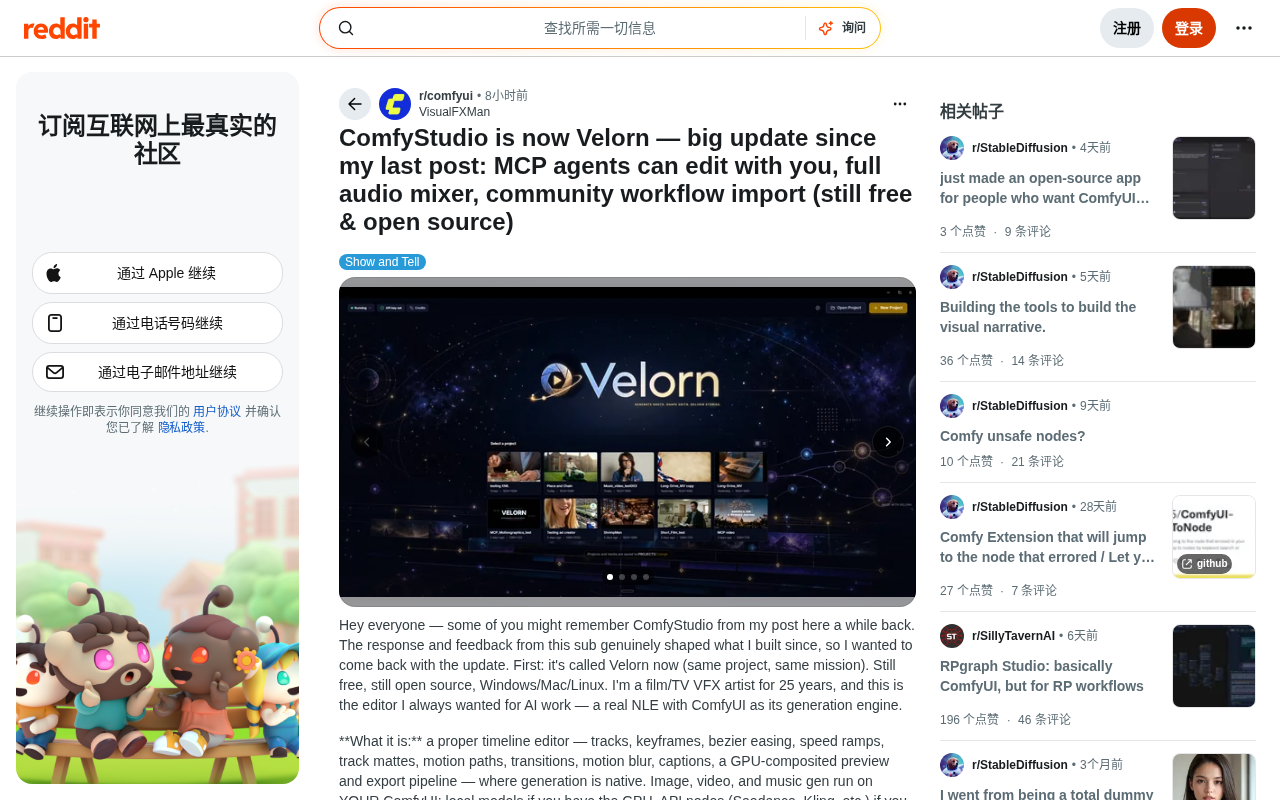
Velorn: Open-Source NLE Editor Where AI Agents Handle Editing and Mixing
Velorn is an open-source NLE with ComfyUI generation and a local MCP server of 100+ tools, letting Claude and Cursor agents edit timelines and mix audio — no cloud credits required.
Read more →

·5 min
Postgres Is Enough More Often Than You Think: Stop Piling On Your Tech Stack
Many teams add message queues, search engines, and caches before they ever need them. This article maps out what Postgres can cover—task queues, full-text search, JSON storage—and when you actually need Redis, Kafka, or Elasticsearch.
Read more →

·3 min
AI Compliance Auditing: How to Build an Adversarial Testing Evidence System That Withstands Scrutiny
AI compliance is shifting from document storage to generating credible adversarial testing evidence. Learn how TRAIGA, NIST RMF, and ISO 42001 shape audit-grade red team testing requirements.
Read more →

·5 min
Turn PRD into XMind Test Cases with One Click Using Cursor — 10x Efficiency Boost
A must-read for test engineers: use Cursor's custom Skills to auto-generate test cases covering positive, negative, and boundary values from PRDs, output as Markdown linked to XMind, adapting to functional, interface, and performance testing.
Read more →

·3 min
Meta Launches Muse Image Model: AI Photo Collab Feature Sparks Portrait Rights Debate
Meta's first AI image model Muse Image from Superintelligence Labs lets users add real Instagram profiles to AI photos, raising major portrait rights concerns.
Read more →

·7 min
Electron + LangGraph in Practice: Building an AI Agent Visual Orchestration App from Scratch
A hands-on guide to building an enterprise-grade AI Agent workflow orchestration app with Electron Forge and LangGraph, covering local LLM deployment (Qwen3-0.6B), node-based visual canvas design, and full Function Calling integration.
Read more →

·6 min
Escaping AI Agent Skill Hell: A Complete 4-Step Guide to Writing High-Quality Skills
Matt Pocock's 4-step framework for AI Agent Skill design: Trigger, Structure, Steering, Pruning. Escape skill hell and learn to write high-quality skills.
Read more →

·5 min
Cursor Reshapes AI Programming: Cloud Agents, the Origin Platform, and a Custom-Built Foundation Model
Cursor launches three major products: cloud agents on mobile, Origin — an agent-native Git platform challenging GitHub, and a custom foundation model with 10-20x compute. AI coding enters the Agent-First era.
Read more →

·5 min
UE5.8 + Claude Code: A Complete Guide to AI Agents Directly Controlling Unreal Engine
UE5.8's official MCP plugin enables Claude Code and other AI Agents to directly control Blueprints, PCG graphs, materials, and level design. Complete setup and testing guide included.
Read more →

·7 min
GPT Image 2 Hands-On Review: In-Depth Evaluation of Text Layout and Character Breakdown Capabilities
GPT Image 2 hands-on review: near-flawless poster text layout and automatic character breakdown with Chinese annotations. Deep analysis of core capabilities, comparison with Nano Banana, and risk assessment for access channels.
Read more →

·3 min
Behind SpaceX's Acquisition of Cursor: The Systemic Oxygen Deprivation of China's Deep Tech
SpaceX acquires Cursor for $60B in all-stock deal, buying the AI-era developer gateway. A deep analysis of the U.S.-China deep tech ecosystem gap and China's path to building its own flywheel.
Read more →

·4 min
7-Step Framework for Deploying Commercial AI Agents: From Requirements to Production
A detailed 7-step guide to building commercial AI Agents, covering requirements, platform selection (Coze/Dify/FastGPT), prompt engineering, databases, UI, testing, and deployment.
Read more →

·3 min
Vibe Coding: The New AI Programming Paradigm for Full-Stack Development with Zero Coding Experience
Explore Vibe Coding's core concepts and practical applications across frontend UI generation, backend APIs, and one-click deployment, with a zero-to-hero guide for non-programmers.
Read more →

·2 min
GLM5.2 Frontend Development Capabilities Tested: Better Aesthetics Than GPT5.5?
Hands-on comparison of GLM5.2 vs GPT5.5 frontend development: GLM5.2 edges ahead in page aesthetics but slow inference and limited API access remain major drawbacks.
Read more →

·2 min
AI Programming Learning Roadmap: A Complete Six-Stage Guide from Beginner to Expert
A systematic breakdown of the six-stage AI programming learning roadmap, from zero-code start to mastering Cursor and professional tools, methodology frameworks, advanced patterns, and project practice.
Read more →

·3 min
Trae AI Coding Tool: Complete Guide to Download, Installation, and Getting Started
Complete guide to ByteDance's Trae AI editor: core features, download & installation, Python setup, and AI chat coding. Free, Chinese-native, no VPN needed.
Read more →

·3 min
VibeCoding Beginner's Guide: A Complete Guide to Building Software with Natural Language from Scratch
VibeCoding lets anyone build software through natural language conversations with AI. Learn the core concepts, learning path, and practical methods to get started.
Read more →

·3 min
Build an App in 30 Minutes with Zero Code: A Complete Hands-On Walkthrough Using the AI Tool Tusi
Build a fully installable mobile app in 30 minutes with zero code using AI tool Tusi. A complete walkthrough from requirements to finished product, showing how AI shifts app development from coding skills to clear communication.
Read more →