#C++ browser development
101 related articles

·3 min
Bonsai: A Deep Dive into Jane Street's Open-Source Functional UI Library for OCaml
Deep dive into Jane Street's open-source functional UI library Bonsai, exploring its OCaml-based incremental computation model, strongly-typed component architecture, and performance advantages for high-frequency data scenarios.
Read more →

·3 min
Migrating C/C++ Projects to Rust: A Practical Guide to Incremental Rewriting
A detailed guide on safely migrating C/C++ projects to Rust, covering incremental strategies, FFI interop, bindgen/cxx toolchain usage, and unsafe boundary management.
Read more →

·4 min
How to Choose Machine Learning Starter Tools? A Beginner's Development Environment Setup Guide
Confused about choosing between VS Code, Jupyter, Google Colab, and Anaconda for ML? This guide clarifies each tool's role and recommends a zero-cost beginner setup to help you start learning fast.
Read more →

·2 min
Ollama Shifting from Local Deployment to Cloud Services? Community Controversy and the Open-Source Commercialization Dilemma
Ollama's recent brand shift from local LLM deployment to cloud API services sparks heated Reddit debate. Analyzing the capital logic, community concerns, and what open-source AI tool users should know.
Read more →

·2 min
Mole: A Free, Open-Source One-Click Window Hiding Tool for Windows
Mole is a free, open-source Windows panic button tool that mutes audio, minimizes all windows, and opens Notepad with one click. Built with Python under GPLv3.
Read more →

·2 min
MicroCodex: A C++ Programming Agent Under 1MB — A Fresh Take on Minimalist AI Tools
MicroCodex re-implements OpenAI's Codex programming agent in C++ with a binary under 1MB. This article analyzes its engineering design, minimalist philosophy, and use cases in CI/CD and embedded systems.
Read more →

·2 min
Open-Source Office Apps for Android: Alternatives to Google Docs
Looking for open-source alternatives to Google Docs? This article covers Collabora Office, AndrOpen Office, and other Android open-source office apps, analyzing format compatibility, mobile UX, and data privacy benefits.
Read more →

·2 min
Rediscovering Tcl/Tk: The Hidden Gem for Lightweight Cross-Platform Tool Development
Explore Tcl/Tk's unique value in cross-platform tool development: ultra-lightweight footprint, event-driven architecture, seamless CLI-GUI unification, and advantages over bloated modern frameworks.
Read more →

·3 min
ESP32-Bit-Pirate: An ESP32-Based Open-Source Multi-Protocol Hardware Debugging Tool
ESP32-Bit-Pirate is an open-source hardware hacking tool based on ESP32, supporting UART, SPI, I2C, 1-Wire protocols with a web CLI for zero-install cross-platform debugging at just a few dollars.
Read more →

·3 min
ESP32-Bit-Pirate: An ESP32-Based Open-Source Multi-Protocol Hardware Debugging Tool
ESP32-Bit-Pirate is an open-source hardware hacking tool based on ESP32, supporting UART, SPI, I2C, 1-Wire and more, with a Web CLI for zero-install cross-platform debugging at just a few dollars.
Read more →

·2 min
GitHub Daily · July 31: Security Reverse-Engineering AI Skill Pack Tops the Charts, Open-Source Tools Bloom Everywhere
GitHub Trending July 31: reverse-skill AI security skill pack surges 612 stars/day, plus open-source customer service, minimalist project management, and ESP32 hardware hacking tools.
Read more →

·2 min
Chrome Fixes More Vulnerabilities in One Month Than the Previous Two Years Combined — How AI Is Reshaping the Security Landscape
Google used AI to fix more Chrome vulnerabilities in one month than the previous two years combined. Explore how AI-driven fuzzing and automated patching are reshaping browser security.
Read more →

·2 min
Chrome Fixes More Vulnerabilities in One Month Than the Previous Two Years Combined — How AI Is Reshaping the Security Landscape
Google used AI to fix more Chrome vulnerabilities in one month than the previous two years combined. Explore how AI-driven fuzzing and automated patching are reshaping browser security.
Read more →

·2 min
Lottie Creator 2.0: After Effects in the Browser — Animation Design Says Goodbye to Desktop Apps
Lottie Creator 2.0 is a browser-based professional vector animation tool with Motion Copilot AI and state machine interactions, exporting production-ready Lottie files without After Effects.
Read more →

·4 min
Pure Vibecoding Builds a 130+ Card Multiplayer CCG: Full AI Tech Stack Breakdown
An indie dev built a 130+ card multiplayer CCG entirely through vibecoding with Claude Code, GPT, and ElevenLabs. Full AI tech stack breakdown and analysis of vibecoding's capabilities and limits.
Read more →

·4 min
Deep Dive into the EYG Programming Language: A New Portable Programming Paradigm Designed for Humans
Deep analysis of the EYG programming language's core design, including algebraic effects, program state persistence, and cross-platform portability, exploring how it addresses modern software fragmentation.
Read more →

·2 min
Is Bun Being Rewritten in Rust? A Deep Dive into the Zig vs Rust Technical Decision
Is Bun being rewritten in Rust? This article explores the community debate and analyzes why Bun chose Zig over Rust, examining the engineering tradeoffs between Zig and Rust in systems programming.
Read more →

·3 min
Dear ImGui Deep Dive: Why This Immediate Mode GUI Library Has Won Over C++ Developers
Deep dive into Dear ImGui's immediate mode GUI design, technical features, and use cases. Covers immediate vs retained mode, backend support, game engine integration, and ecosystem extensions.
Read more →
·6 min
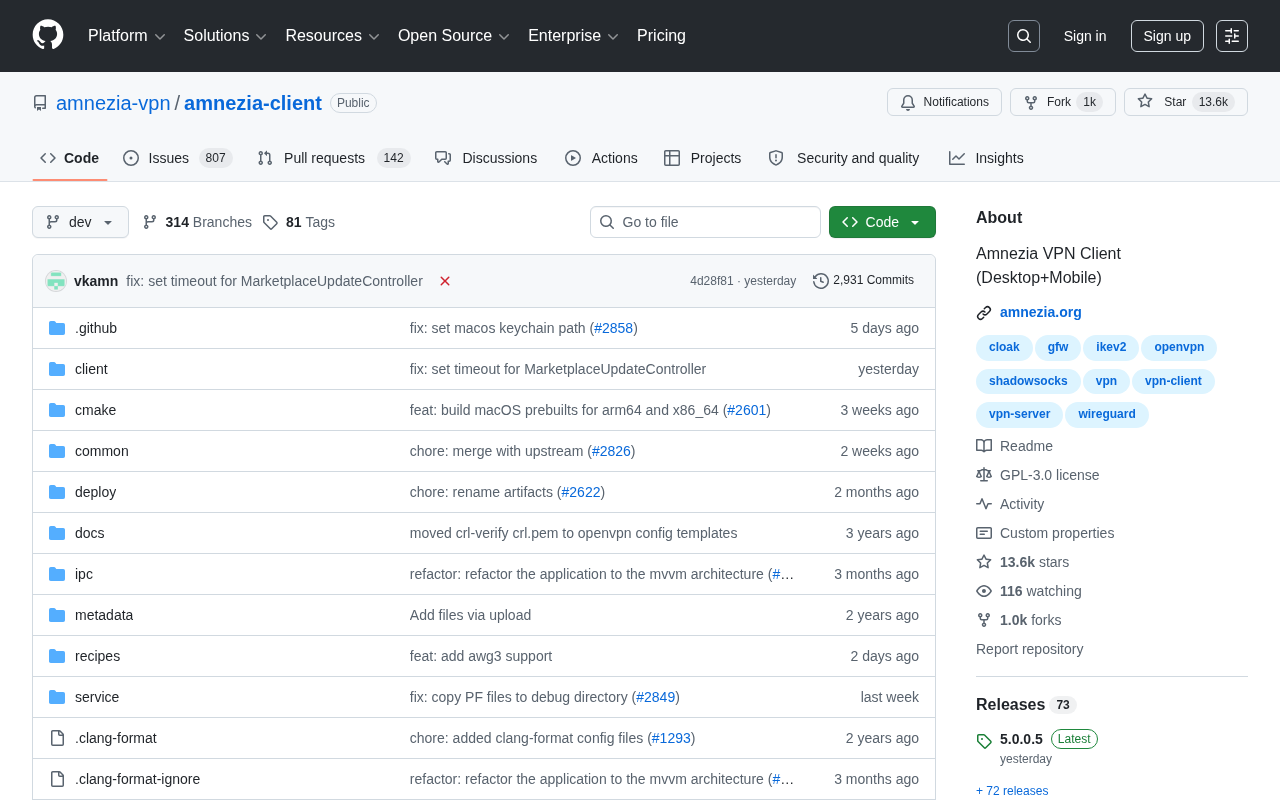
AmneziaVPN Deep Dive: The Open-Source Powerhouse for Self-Hosted, Censorship-Resistant VPN
Deep dive into the AmneziaVPN open-source client: AmneziaWG anti-DPI obfuscation, self-hosted VPS deployment, multi-protocol support, and cross-platform privacy.
Read more →

·4 min
Dify Local Deployment Guide: One-Click Private AI Platform with Docker
Step-by-step guide to deploying Dify AI platform locally with Docker. Covers Linux, Windows, macOS setup, docker compose launch, and first-time initialization in under 30 minutes.
Read more →