#Claude model comparison
1356 related articles

·4 min
Theo's Practical Methodology for Optimizing Claude Coding Agents: AGENTS.md and Skills Configuration Guide
Deep dive into how developer Theo optimizes AI coding agents through AGENTS.md, CLAUDE.md, and Skills files for Claude Code and Codex, covering global config, skill reuse, example-driven teaching, and data-driven optimization.
Read more →

·3 min
Prompt Caching Explained: The Key Technology for Saving Money with AI Agents
Deep dive into Prompt Caching: how it works, why AI Agents repeatedly send tokens causing costs to skyrocket, and best practices to slash LLM costs by up to 90%.
Read more →

·3 min
WikiExtractor 3.1.0 Released: Cross-Platform Consistency, SharedMemory Optimization, and Security Fixes
WikiExtractor 3.1.0 released with Linux/Windows/macOS cross-platform consistency, SharedMemory optimization, #expr security vulnerability fix, and template parsing improvements for reliable Wikipedia text extraction.
Read more →

·4 min
AI Reshaping the Software Industry: A New Era Where Everyone Can Be a Builder
AI coding tools are lowering software development barriers, enabling more people to become builders. This article analyzes SaaS disruption, agent-driven internet, personal brand rise, and how AI reshapes the future of software.
Read more →

·3 min
AI Takes Over Code Review: From Reading Diffs Line by Line to Writing More Tests
A B2B SaaS developer shares their multi-agent code review practice: building an automated review loop with Opus, Composer, and CodeRabbit, shifting from reading diffs to writing better tests.
Read more →

·1 min
Brandfetch MCP: Giving AI Accurate Access to Brand Logos, Colors, and Assets
Brandfetch MCP provides AI Agents with 50M+ brands' logos, colors, and fonts via MCP protocol, solving the problem of AI fabricating brand assets in design work.
Read more →

·2 min
Harvey Labs: An Open-Source Benchmark Framework for Legal AI Agent Evaluation
Harvey Labs is Harvey's open-source benchmark framework for legal AI agent evaluation, assessing AI performance in contract review, case research, legal reasoning, and other real legal workflows.
Read more →

·2 min
Perplexity Max Subscription Credits Not Delivered After Payment? The $200 Dispute and How to Protect Yourself
A Perplexity Max user reports credits not delivered after paying $200 with no customer service response. Analysis of AI subscription billing issues and practical dispute resolution tips.
Read more →

·2 min
Already Have Claude Pro — Do You Still Need Cursor Pro? An In-Depth Comparison and Buying Guide
Should developers who already subscribe to Claude Pro also buy Cursor Pro? This article compares both from product positioning, feature overlap, and workflow differences, with buying advice for three typical scenarios.
Read more →

·3 min
LLM-as-a-Judge Calibration Guide: Practical Approaches to Validating Judge Model Reliability
Explore key practices for calibrating LLM-as-a-Judge systems, including human review benchmarking, agreement rate monitoring, and trigger-based recalibration to build trustworthy AI evaluation.
Read more →

·2 min
Cursor Pro vs SuperGrok: Which Is More Cost-Effective? A Deep Dive into Grok 4.5 Token Economics
Deep comparison of Cursor Pro vs SuperGrok for Grok 4.5 token value. Analyzes platform metering differences, provides testing methods, and offers guidance for choosing the best AI subscription.
Read more →
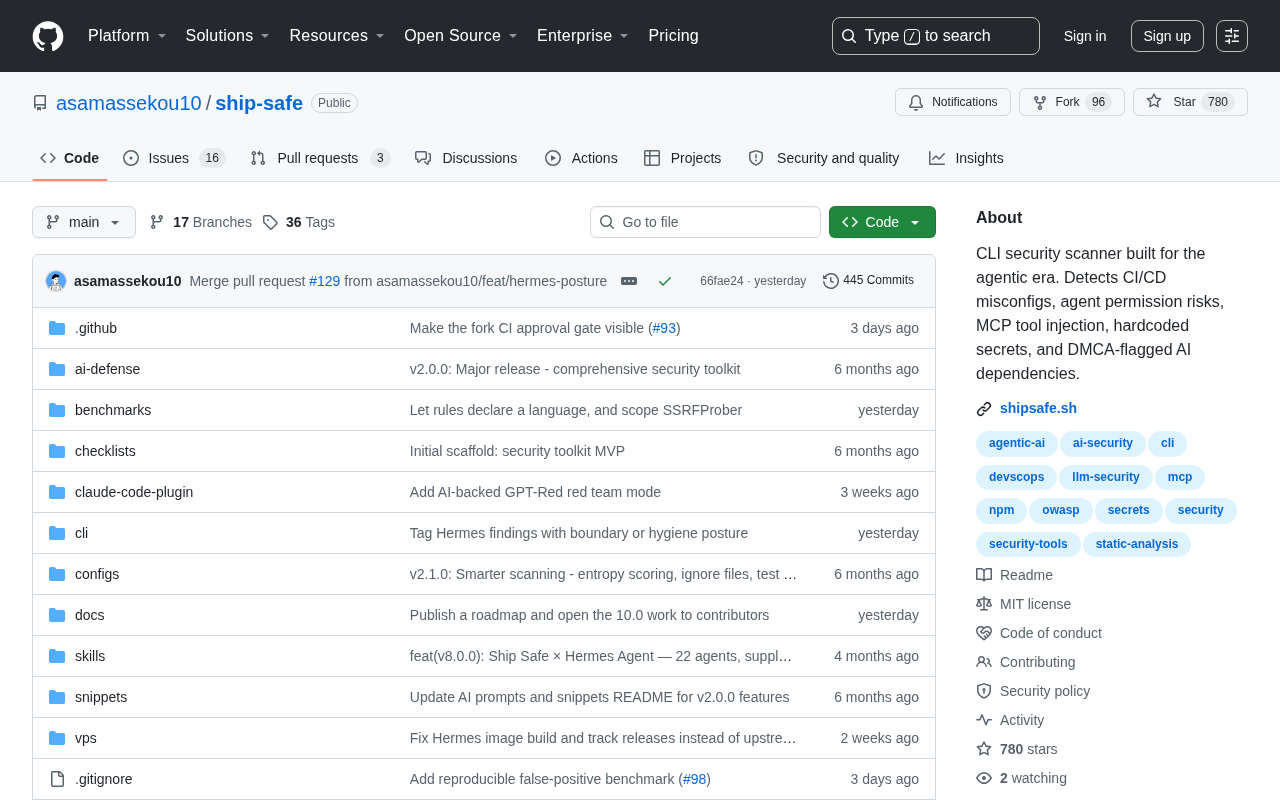
·3 min
Ship Safe: A Deep Dive into the Open-Source Security Scanner for AI Coding Agents
Deep dive into how Ship Safe provides security scanning for AI coding agents, exploring agent security challenges, closed-loop feedback, and enterprise guardrails.
Read more →

·2 min
Qwen3 Priced at Just $2/Million Input Tokens — The LLM Price War Intensifies
Alibaba's Qwen3 model priced at $2/million input tokens and $6 output, far below mainstream closed-source LLMs. Analysis of pricing logic, comparison with Claude, and the open vs closed-source debate.
Read more →

·3 min
Real-World Reliability Test of AI Model GitHub Connectors: Kimi vs Perplexity — Which One Can You Actually Trust?
Real-world comparison of Kimi and Perplexity GitHub Connector reliability. Kimi offers automatic graceful degradation; Perplexity suffers from silent failures. Analysis of tool-call transparency and fault tolerance in AI code review workflows.
Read more →

·3 min
DeepSeek V4 Flash Real-World Test: The Secret Behind Spending Only $3 on 120M Tokens
A developer tested DeepSeek V4 Flash 0731, spending only $3 on 120M tokens. Learn how cache hit mechanisms slash API costs and tips for long-context optimization.
Read more →

·2 min
Superbrain Review: How the TokenFold Architecture Saves 50% on Token Costs
In-depth analysis of macOS AI coding tool Superbrain and its proprietary TokenFold retrieval architecture, comparing it with Cursor, Claude Code, and other mainstream products.
Read more →

·2 min
Prompt Bridge: A Chrome Extension for Cross-Platform AI Conversation Context Migration
Prompt Bridge is a free Chrome extension that solves the pain of context loss when switching between ChatGPT, Claude, and Gemini, enabling seamless cross-platform AI conversation migration.
Read more →

·3 min
Kitesurf: A V8 Isolate-Based Lightweight Browser Designed for AI Agents
Deep dive into Kitesurf—a lightweight browser built on V8 Isolates for AI Agents. Learn how its millisecond cold starts, high concurrency, and sandbox isolation solve traditional browser bottlenecks in AI automation.
Read more →

·3 min
Ollama Cloud Unsubscription Story: A Real-World Comparison of GLM vs DeepSeek
A Django developer shares their Ollama Cloud subscription experience, comparing GLM 5.2 and DeepSeek V4 Pro for PHP programming, analyzing cloud AI coding service value for indie developers.
Read more →

·2 min
Opus 5 First Impressions: The LLM Iteration Dilemma Behind 'One Try and Done'
A Reddit user's 'That was the last time I used Opus 5' sparks debate. We analyze experience traps in LLM upgrades, capability regression, and how to rationally evaluate community feedback on new AI models.
Read more →