#HY3
8815 related articles

·2 min
Kimi K3's Hype Fades Just One Week After Open-Weight Release: When Will Cloud Subscription Credit Restrictions Be Lifted?
Kimi K3's hype faded within a week of its open-weight release, with cloud subscribers still needing extra credits. We analyze the monetization vs. user experience balance in today's fierce open-source LLM competition.
Read more →

·2 min
AI Art Same-Character Multi-Style Experiment: Why Version #3 of the Desert Mage Was Most Popular
Analyzing a Reddit Desert Mage multi-style AI art experiment: why the version with hidden face and skeletal details won, exploring mystery, narrative tension, and prompt engineering in AI character design.
Read more →

·2 min
T3Code Open Source Project Analysis: Why Theo's TypeScript Code Tool Gained 1400+ Stars in One Week
Deep analysis of T3Code, an open source project led by developer Theo, built with TypeScript, with 16000+ GitHub Stars. Exploring its tech philosophy, community growth, and value for developers.
Read more →

·3 min
The Era of AI Capability Overhang: Why You Need to Reset Your Ambition Every 3 Months
Understanding Capability Overhang in the AI era: when model capabilities far exceed application imagination, how teams should reset feasibility boundaries quarterly to avoid ceding advantages to competitors.
Read more →

·3 min
13 Years After DMARC: Why 68.4% of Domains Still Don't Enforce Email Authentication
13 years after DMARC's release, 68.4% of domains still haven't set policies to quarantine or reject. This article analyzes DMARC deployment status, why adoption is slow, and the path from p=none to p=reject.
Read more →

·3 min
Why Kimi K3's Open-Source Model Has OpenAI and Anthropic Running Scared
Deep analysis of the AI industry shockwave triggered by Kimi K3: the double standard behind distillation accusations, performance comparisons with GPT-5.5, real security concerns, and how open-source models threaten closed-source giants.
Read more →

·3 min
Why Kimi K3's Open-Source Model Has OpenAI and Anthropic Running Scared
Deep dive into why Kimi K3 is rattling OpenAI and Anthropic: distillation double standards, GPT-5.5 comparisons, real security risks, and how open-source models threaten closed-source business models.
Read more →

·4 min
Kimi K2/K3 Technical Speculation: Deep Dive into RL Hyperparameters and Multi-Teacher Distillation
Deep analysis of RL hyperparameter tuning challenges and 9-policy multi-teacher distillation in Kimi K2/K3 training, exploring the shift from scale to training craft.
Read more →

·3 min
Gemini 3.1 Pro Rate Limiting Exposed: Why Paying Users Can't Actually Use Their Full Quota
Deep analysis of Google Gemini 3.1 Pro's rolling window rate limiting, revealing the massive gap between paper quotas and actual usability for paying subscribers.
Read more →

·3 min
Gemini 3.1 Pro Rate Limiting Exposed: Why Paid Users Can Never Use Their Full Quota
Deep analysis of Google Gemini 3.1 Pro's rolling window rate limiting, revealing the gap between paper quotas and real usability for paid AI subscribers.
Read more →
·3 min
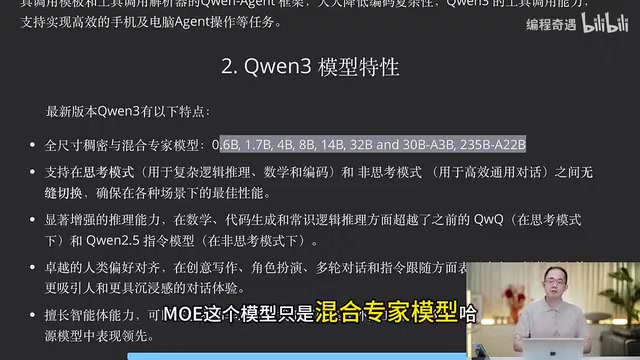
Qwen3 Deep Dive: A Complete Look at the Open-Source Hybrid Reasoning Model
Qwen3 deep dive: 6 Dense & MoE models from 0.6B to 235B, world's first open-source hybrid reasoning model, matching Gemini 2.5 Pro. Complete guide for developers and enterprises.
Read more →
CUDA 13.3 Adds Carryless Multiplicatio…
·2 min
CUDA 13.3 Adds Carryless Multiplication: A Key Step Forward for GPU Cryptography Acceleration
CUDA 13.3 introduces native carryless multiplication support, closing a 15-year GPU gap in AES-GCM, CRC, and cryptographic acceleration. Here's what it means.
Read more →

·3 min
Tencent Hunyuan Hy3 Free Access Guide: 5 Channels to Try It at No Cost
Tencent Hunyuan Hy3 is live — here are 5 free access channels including WorkBuddy, Hermes Agent, OpenRouter, SiliconFlow, and WeChat Mini Program (up to 100M tokens).
Read more →
·3 min
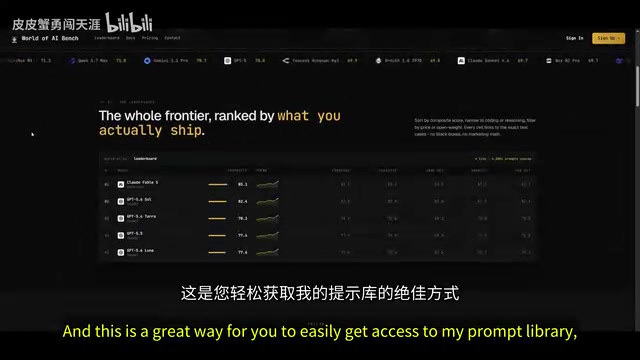
DeepSeek V4 Coming Soon: Flash Version May Surpass HY3, GPT-5.6 Reasoning Budget Quietly Cut
DeepSeek V4 drops this month with native vision; OpenAI quietly cut GPT-5.6 reasoning budget; Anthropic extends Fable 5 access ahead of GPT-6; Seedance 2.5 hits 180s 4K video generation.
Read more →
·3 min
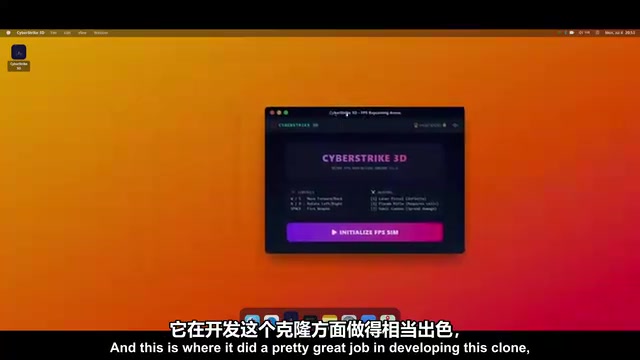
Tencent Hunyuan HY3 In-Depth Review: How a Small Open-Source Model Punches Above Its Weight
In-depth analysis of Tencent's open-source reasoning model Hunyuan HY3: MoE architecture, 295B total params, Apache 2.0 license, coding & front-end rivaling DeepSeek V4 Pro at 1/35 the cost.
Read more →
·3 min
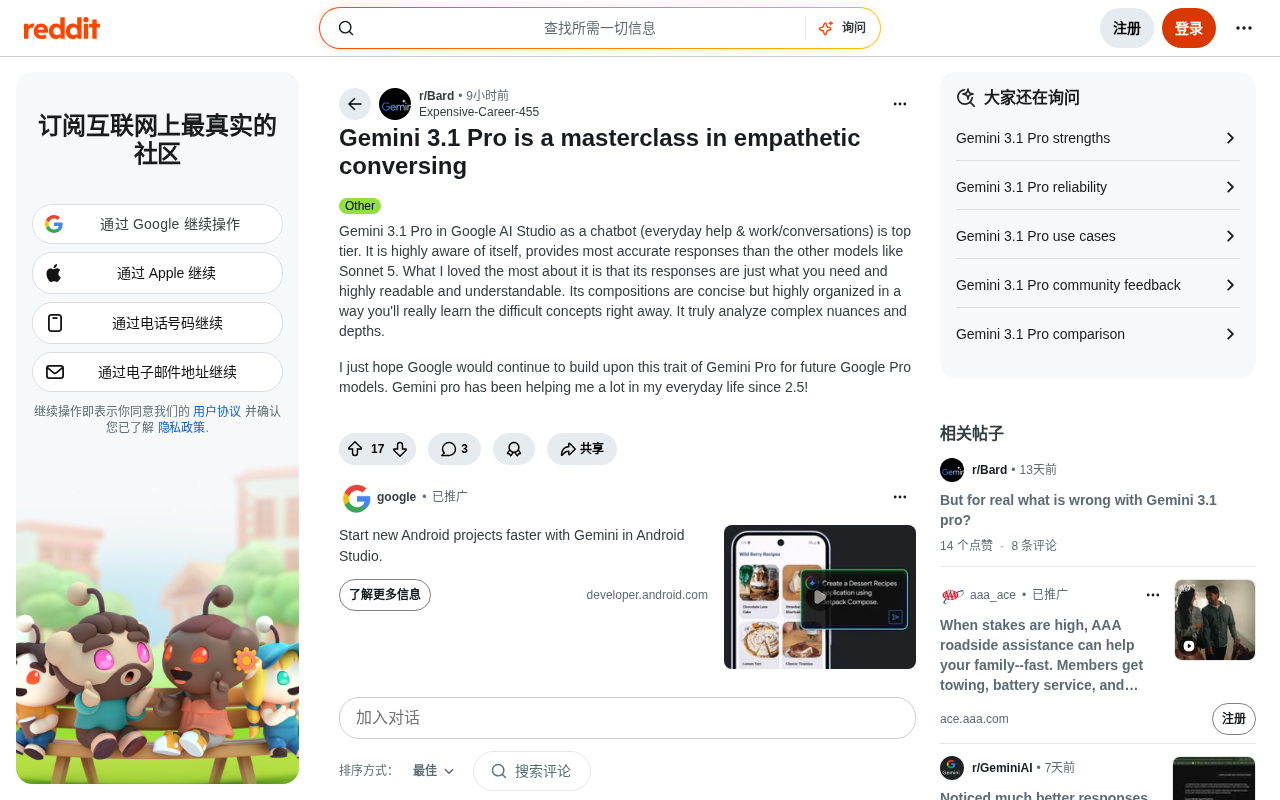
Gemini 3.1 Pro Review: Why Its Empathetic Conversation Style Keeps Users Coming Back
A longtime user calls Gemini 3.1 Pro "a masterclass in empathetic conversing" — concise, context-aware, and intent-driven. We break down why empathy is becoming AI's new competitive frontier.
Read more →

·3 min
A Physical Status Light for Claude Code: Using ESP32 to Stop Staring at Your Terminal
Tired of staring at a terminal waiting for AI? An ESP32 + RGB light maps Claude Code's states to blue/yellow/green/red physical light effects. See what the AI is doing at a glance.
Read more →

·2 min
Deep Dive into Tencent Hunyuan Hy3: How a 295B MoE Model Cracks the Agent Deployment Challenge
Tencent Hunyuan Hy3 launches with a 295B MoE architecture activating just 21B params and 256K context. Hallucination cut from 12.5% to 5.4%, MRCR nearly doubled, with MTP and EAGLE decoding and Day-0 SGLang support.
Read more →

·6 min
Why Is Qwen3 27B So Slow on a 4090? A Hands-On Guide to Local Inference Performance Optimization
RTX 4090 taking over 400 seconds to run Qwen3 27B inference? This article analyzes the core causes—VRAM overflow and CPU offloading drag—and offers targeted fixes.
Read more →

·6 min
Tencent Hunyuan HY3 Official Version Open-Sourced: The Strongest Under 300B, at 1 Yuan per Million Tokens
Tencent Hunyuan HY3 official version is open-sourced under Apache 2.0, priced as low as 1 yuan per million input tokens, with major gains in agents, reasoning, coding, and long context. On the same day, Meituan open-sourced its trillion-parameter LongCat 2.0.
Read more →