#LiteLLM
92 related articles

·2 min
Getting Started with Codex: A Practical Guide to OpenAI's AI Coding Assistant
A practical guide to OpenAI Codex: core features, Codex vs. Claude Code comparison, and why the Codex+DeepSeek combo doesn't work. Avoid common pitfalls and boost your coding productivity.
Read more →

·3 min
AI Agent Home Server Selection Guide: Low-Cost OpenClaw Deployment in Practice
Discover why AI Agents burn through API budgets fast, and how to deploy OpenClaw on a home server using Ollama, DeepSeek, and Gemini in a cost-effective hybrid setup.
Read more →

·3 min
Introducing LLM Gateways in Production: Five Key Concerns and the Prerequisites for Trust
Introducing an LLM Gateway in LangChain production brings unified APIs and auto-fallback, but also quality drift, cost spikes, and debug black boxes. This article breaks down the five key engineering concerns and what it takes to earn trust.
Read more →
There's No Best Agent Framework — Only…
·2 min
There's No Best Agent Framework — Only the Right One for Your Needs: A Deep Comparison of Leading Options
LangGraph, PydanticAI, OpenAI Agents SDK, CrewAI — a senior developer's practical guide to choosing the right AI Agent framework for your project.
Read more →
LLM Evaluation Tools Compared: An In-D…
·3 min
LLM Evaluation Tools Compared: An In-Depth Look at LangSmith, Langfuse, and Three More
Deep comparison of LangSmith, Langfuse, Phoenix, Braintrust, and Galileo across self-hosting, open-source licensing, and real-time guardrails to find the best LLM eval tool for production.
Read more →

·2 min
The AI Model Release Frenzy: The Industry Logic Behind the Tech Arms Race
OpenAI, Google, Anthropic and others are releasing models back to back. We analyze the competitive logic, double-edged effects, and what it means for developers, users, and creators.
Read more →

·4 min
AI Weekly Recap: Four Major Vendors Cut Prices Together, Copilot's Paid Conversion Rate Just 4.5%
In one week, OpenAI, xAI, Google, and Microsoft all cut AI prices, driving near-frontier inference costs sharply lower. Meanwhile, Microsoft Copilot's paid conversion across 450M seats is under 4.5%, exposing the monetization challenge of general AI assistants.
Read more →
AI Costs Out of Control: Real-World St…
·6 min
AI Costs Out of Control: Real-World Strategies for Enterprises to Rein In Soaring Bills
More enterprises are finding AI operational costs spiraling out of control. This article dissects token billing traps and blind flagship-model use, and maps out cost-reduction strategies like model routing, open-source self-hosting, and semantic caching.
Read more →

·4 min
AI + Automated Testing: Building an Engine-Agnostic Quality System with Skill + CLI
An in-depth analysis of the AI-driven software testing paradigm: with Skill and CLI as the core hub, supporting both platformized management and digital employees, helping testing teams transform from script writers into capability builders.
Read more →

·5 min
Practical AI Cost Optimization: A Deep Dive into Intelligent Routing and Context Compaction
AI bills keep soaring? This article breaks down two core cost-reduction strategies: intelligent routing via an LLM Gateway, and context compaction to cut Token usage—no major refactoring needed.
Read more →

·2 min
Claude Usage Limits Tighten: Is the Era of Unlimited AI Coming to an End?
Anthropic's Claude is bidding farewell to its "unlimited use" strategy, shifting toward tiered billing and usage management. This article explores the compute cost logic behind it, the impact on heavy users, and multi-model strategies.
Read more →

·5 min
Multi-Model Tiered Deployment: Is an AI Gateway Worth Adopting?
More teams are adopting multi-model tiered scheduling. AI gateways solve cross-vendor API management, automatic fallback, and cost tracking — but add a new abstraction layer. Learn when a gateway is worth it.
Read more →
·2 min
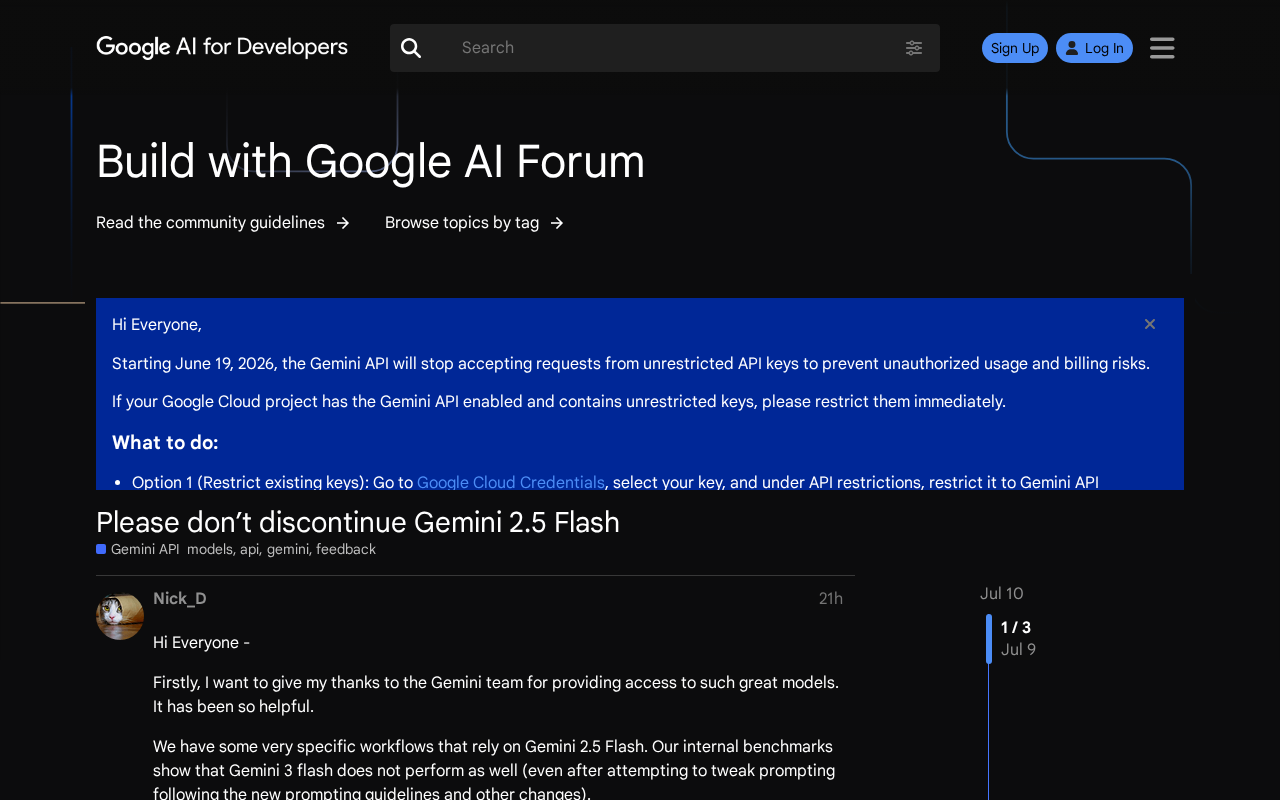
Developers Petition to Keep Gemini 2.5 Flash: The Production Crisis Behind Model Deprecations
Developers on Hacker News push back against Gemini 2.5 Flash's deprecation. We explore why stable, low-cost AI models are critical for production and how to build defensive strategies against cloud model churn.
Read more →

·4 min
How to Connect DeepSeek to Claude Code: A Complete 4-Step Setup Guide for Users in China
Step-by-step guide to connecting DeepSeek to Claude Code via CC Switch — no VPN needed, start for just ¥10. Covers API Key setup, installation, model config, and a live demo.
Read more →

·4 min
Complete Guide: Connecting Claude Code to DeepSeek — Local Setup + VS Code Integration
A step-by-step guide to installing Claude Code locally on Windows and swapping its underlying model for the DeepSeek API—enabling low-cost AI coding with no VPN required. Covers Node.js setup, Claude Code config, and getting a DeepSeek API Key.
Read more →

·2 min
Claude Sonnet 4 Returns to Cursor: Tops CursorBench, But at the Highest Cost Per Task
Claude Sonnet 4 returns to Cursor, topping CursorBench while carrying the highest cost per task. A deep dive into performance vs. cost trade-offs for AI coding tools.
Read more →

·7 min
Turning Any AI Agent into an Orchestration Hub: A Deep Dive into Multi-Agent Collaboration Architecture
An in-depth analysis of the "any Agent as an orchestrator" design philosophy, exploring the technical implementation of multi-Agent collaboration, context management, and workflow automation.
Read more →

·7 min
ManagedAgents.sh: A Deep Dive into the Model-Agnostic Open-Source Managed Agent Platform
ManagedAgents.sh is a model-agnostic managed agent platform from OpenComputer, supporting Claude, Pi, and Codex runtimes with Slack and GitHub integration.
Read more →

·7 min
Fable AI Coding in Practice: Optimizing Reasoning Levels and Multi-Model Collaboration to Cut Costs
How developer Theo used Anthropic's Fable model to rebuild his AI coding workflow — controlling reasoning levels, multi-model routing with Codex, and sub-agent orchestration to cut costs from thousands to $150.
Read more →

·7 min
Fable AI Coding in Practice: Optimizing Reasoning Levels and Multi-Model Collaboration to Save Money
Hands-on guide: Use Anthropic's Fable model to optimize AI coding workflows — control reasoning levels, leverage Claude-Codex multi-model collaboration, and cut costs from thousands to $150.
Read more →