#MCP persistent memory
163 related articles
T3MP3ST: The Open-Source Framework Tha…
·4 min
T3MP3ST: The Open-Source Framework That Turns Coding Agents into Autonomous Red Team Operators
T3MP3ST is an open-source offensive security framework that turns coding agents like Claude Code and Codex into autonomous red team tools. Achieves 90.1% pass@1 on XBEN, supports Web pentesting, CVE discovery, and smart contract auditing.
Read more →

·3 min
Harness Engineering in Practice: A Guide to Enterprise-Grade Multi-Agent System Architecture
A deep dive into Harness Engineering architecture: building an AI procurement assistant on ERP systems, covering multi-agent orchestration, MCP protocol, ASGI deployment, and sandbox isolation.
Read more →

·5 min
The Complete Guide to OpenCode: Installation, Configuration, and Advanced Usage
A comprehensive guide to OpenCode, the open-source AI coding tool — covering installation (desktop/WSL), model config, rules files, custom commands, MCP extensions, and Agent SQL capabilities.
Read more →

·7 min
A New Core Skill for Programmers: How to Effectively Lead Your AI Agent Dev Squad
Coding alone isn't enough anymore. Learn the 5 key steps to commanding AI Agents—define outcomes, split tasks, provide context, iterate small, and keep humans in the loop.
Read more →

·7 min
Agent Loop Explained: The Core Runtime Mechanism and Think-Act Cycle of AI Agents
Deep dive into Agent Loop mechanics: the think-act cycle, how agents differ from LLMs, termination conditions, and design principles for building autonomous AI Agent systems.
Read more →

·6 min
Dify Self-Hosted Deployment in Practice: Building an Enterprise-Grade AI Application Platform from Scratch
A complete guide to self-hosting Dify, the open-source AI platform: environment setup, Docker Compose deployment, LLM integration, and app building. Runs on just 2 cores and 4GB RAM.
Read more →
Unified MCP Endpoint: Building Agent A…
·2 min
Unified MCP Endpoint: Building Agent Architecture with Progressive Disclosure
A reference architecture for AI agents: converge Skills, Files, Memory, and Generation into a single MCP endpoint using progressive disclosure, unified API keys, and a shared credit balance.
Read more →

·3 min
Loop Engineering Fully Deconstructed: The Paradigm Shift from Operator to System Designer
Deep dive into Loop Engineering's five building blocks: scheduling, worktrees, skills, plugins & connectors, and subagent separation, with three practical cases from minimal loops to enterprise-grade applications.
Read more →

·4 min
Complete Beginner's Guide to Claude Code in 19 Minutes
A complete beginner's guide to Claude Code covering setup, Plan Mode, CLAUDE.md project memory, MCP connectors, Skills, Plugins, and deploying via GitHub and Vercel.
Read more →

·3 min
Hermes Agent Deep Dive: Anatomy of a Self-Evolving AI Agent Architecture
Deep dive into Hermes Agent's core architecture including the Skills system, GPA governance mechanism, and 47 built-in tools. Learn how Hermes self-evolves to get smarter with use.
Read more →

·3 min
Building AI Agents from Scratch: LangGraph Architecture and Practical Guide
A deep dive into AI agent principles and development practices, covering agent definitions, leading products (Deep Research, ChengPian, Manus), and the complete LangGraph + LangChain + MCP architecture.
Read more →

·3 min
AI Agent Development: A Three-Stage Learning Roadmap from Zero to One
A systematic three-stage AI Agent development roadmap: from Python basics and LLM fundamentals, through five core capabilities like planning and tool use, to hands-on RAG projects for real-world deployment.
Read more →

·3 min
Deep Dive into Claude Code: A Five-Dimension Comparison with Traditional AI Chat Tools
Deep analysis of Claude Code vs traditional AI chat tools across 5 dimensions: interaction, context, execution, memory, and tool integration, plus a Cursor comparison.
Read more →
·3 min
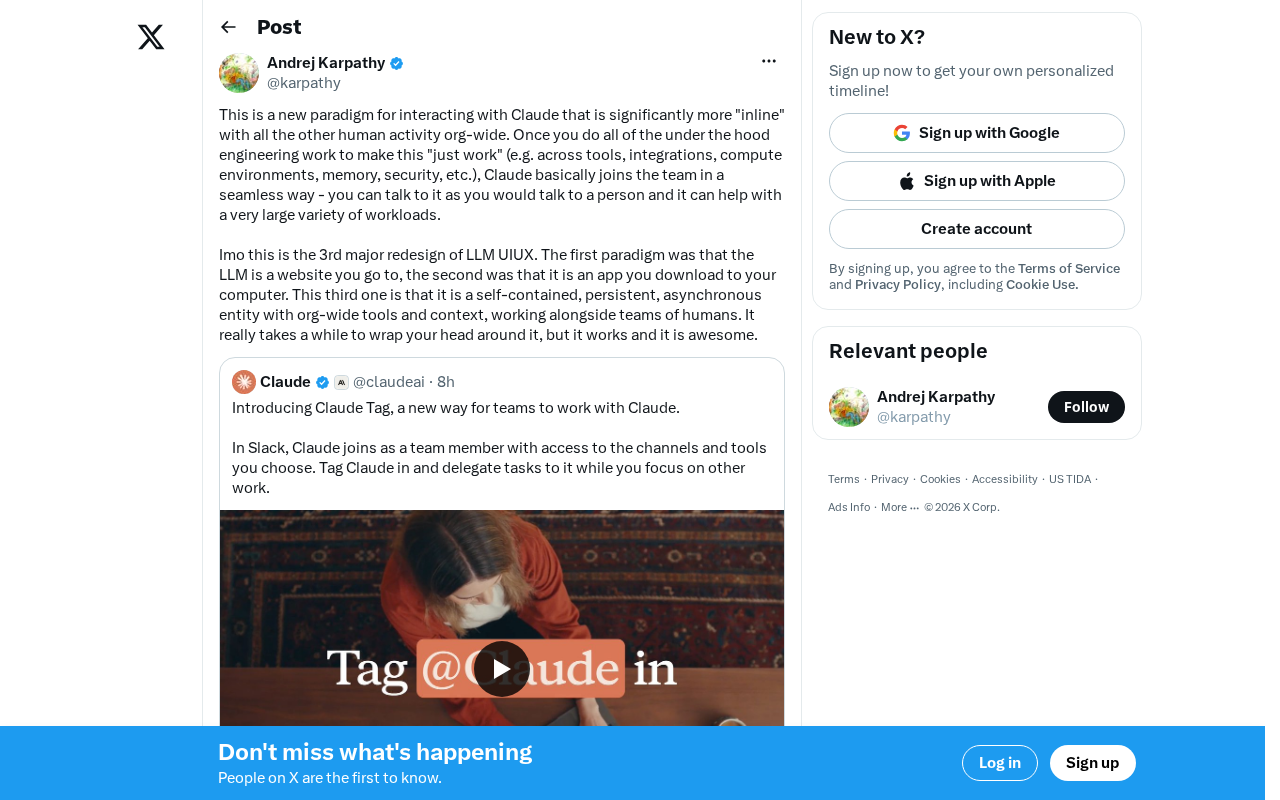
Three Paradigm Shifts in LLM Interaction: From Website to Desktop App to Team Member
Explore the three paradigm shifts in LLM interaction: from ChatGPT as a website, to desktop apps, to autonomous AI team members that collaborate asynchronously with humans.
Read more →

·2 min
Deep Dive into Devin's Background Agent Architecture: Behind the 80% AI-Committed Code
Deep analysis of Devin's background agent architecture: brain-sandbox separation, environment setup, MCP integration, memory systems, and multi-agent collaboration challenges.
Read more →

·3 min
The Complete Guide to Claude Code: Installation, Workflows & Advanced Tips
Complete guide to Claude Code: installation, agentic loop principles, the Explore→Plan→Code→Commit workflow, CLAUDE.md configuration, context management, MCP connections, and Hooks automation.
Read more →

·2 min
Spring AI vs LangChain4j: A Comprehensive Comparison of Java AI Frameworks
In-depth comparison of Spring AI and LangChain4j covering ecosystem integration, features, usability, RAG, Tools, MCP, and Agents to help Java developers choose the right AI framework.
Read more →

·3 min
6 Must-Have MCPs for Claude Code: Upgrade It to a Full AI Development Workstation
6 essential MCPs for Claude Code: Playwright, File System, Sequential Thinking, Context7, GitHub, and Memos — upgrade your AI coding assistant into a complete development workstation.
Read more →

·4 min
Dark Mode for WeChat Mini Programs: One-Click Color Scheme Generation with Pencil MCP
Complete guide to WeChat Mini Program dark mode: from generating dark color schemes with Pencil MCP and AI image generation, to building a Theme.js switching architecture with CSS variables and system dark mode detection.
Read more →

·4 min
The Complete Beginner's Guide to Claude Code: Build and Deploy Apps with Zero Programming Experience
A complete guide to Claude Code from setup to deployment, covering Plan Mode, MCP connectors, reusable skills, CLAUDE.md project memory, and Vercel deployment — no coding experience needed.
Read more →