#RAG Agent
4255 related articles

·2 min
Voice Agent Latency Optimization: Why Averages Are Lying to You
Deep analysis of three voice AI Agent latency pitfalls: averages hiding tail latency, pipeline jitter stacking, and regional differences. Practical P95/P99 measurement and end-to-end optimization tips.
Read more →

·4 min
AI Engineer Growth Roadmap: From Programming Fundamentals to RAG and MCP Agent Development
A systematic AI engineer learning roadmap covering programming, math, ML, and data engineering foundations, plus frontier AI technologies like LLM, RAG, Agents, and MCP with free open-source resources.
Read more →

·3 min
DeerFlow: Deep Dive into ByteDance's Open-Source Long-Horizon SuperAgent Framework
Deep analysis of ByteDance's open-source DeerFlow long-horizon SuperAgent framework, covering six core components, architecture design, use cases, and industry significance.
Read more →

·3 min
GitHub Daily · August 1: The Rise of SuperAgents and Generative AI's Mass Education Moment
GitHub trending Aug 1: ByteDance's deer-flow SuperAgent, Microsoft's GenAI course, 3D generation, voice cloning, and privacy-first tools shape the AI landscape.
Read more →

·3 min
Fluree AI: A Trusted Data Layer Alternative to RAG, Providing Verifiable Context for AI Agents
Fluree AI replaces traditional RAG by directly querying structured data, giving AI agents cited, verifiable, and permission-controlled enterprise context via MCP protocol integration.
Read more →

·3 min
Fluree AI: A Trusted Data Layer Alternative to RAG, Providing Verifiable Context for AI Agents
Fluree AI replaces traditional RAG by querying structured data directly, giving AI agents cited, verifiable, and permission-controlled enterprise context via MCP protocol.
Read more →

·4 min
AI Agent Memory Systems: Genuine Technical Progress or RAG in Disguise?
In-depth analysis of AI agent memory systems: examining whether current improvements represent real progress or just RAG repackaged, and what architectural changes are truly needed.
Read more →

·4 min
11-Node LangGraph in Practice: Complete Architecture Breakdown of a Compliance-Grade RAG Agent
Deep dive into an 11-node Agentic RAG agent built with LangGraph, featuring 6-way intelligent routing, hallucination guards, PII masking, circuit breakers, and zero-cost deployment.
Read more →
·4 min
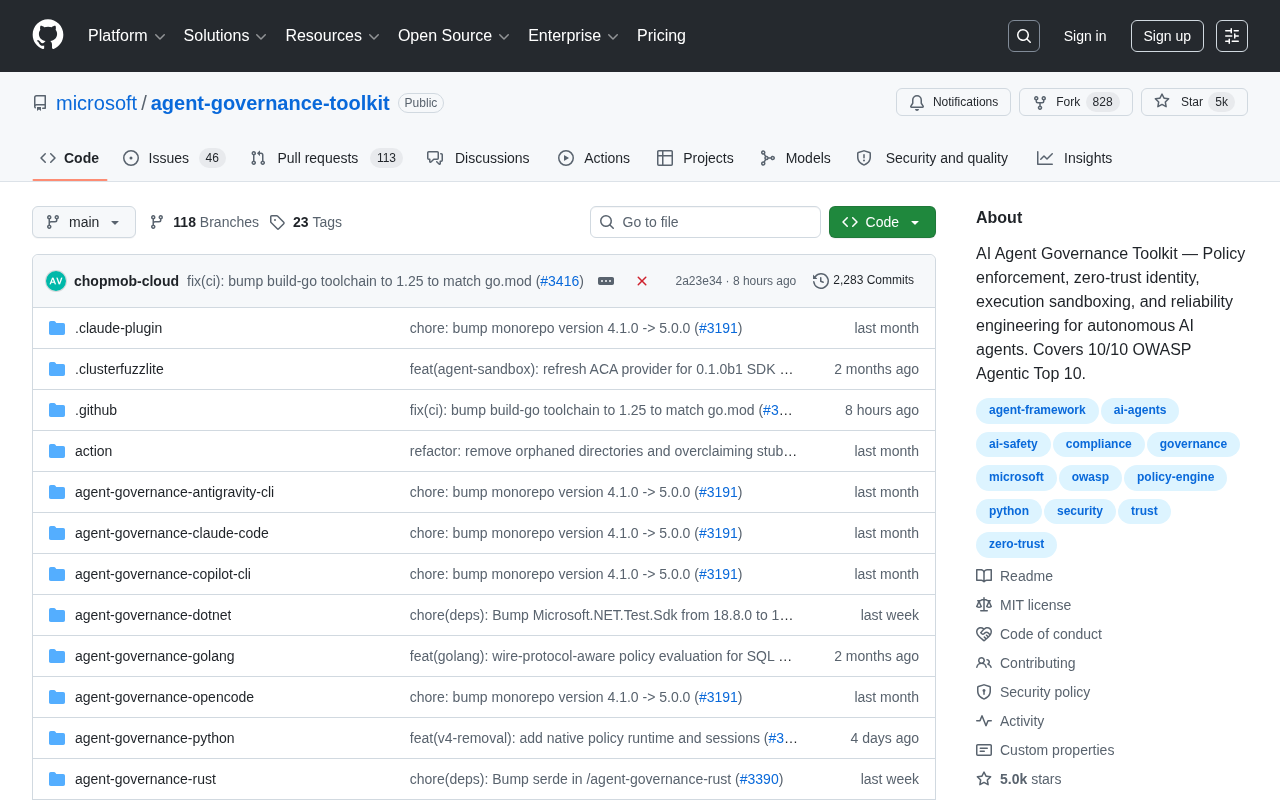
Microsoft Open-Sources AI Agent Governance Toolkit: Comprehensive Coverage of OWASP Top 10 Risks
Microsoft open-sources agent-governance-toolkit covering all OWASP Agentic Top 10 risks through policy enforcement, zero-trust identity, execution sandboxing, and reliability engineering for production AI Agent deployment.
Read more →

·3 min
From RAG to Agent Tuning: A Complete Guide to Deploying LLM Agents
A deep dive into LLM Agent frameworks covering RAG, Agent core components (tools, memory, planning), and Agent Tuning workflows with cost considerations for production deployment.
Read more →

·3 min
Build RAG and AI Agent Projects at Zero Cost: A Practical Guide to Open-Source Tools
Build high-quality AI projects on a budget. Learn how to use Ollama, Groq, Chroma, and other free open-source tools to build RAG systems and multi-Agent workflows from scratch.
Read more →
·3 min
Build RAG and AI Agent Projects at Zero Cost: A Practical Guide to Open-Source Tools
Build high-quality AI projects on a budget. Learn how to use Ollama, Groq, Chroma, and other free open-source tools to build RAG systems and multi-Agent workflows from scratch.
Read more →

·6 min
The AI Builder's Handbook: A Complete Guide to LLM Principles, RAG Architecture, and Agent Design
From the autocomplete nature of LLMs, tokens, and context windows to RAG vector databases, the MCP protocol, and AI agent loop design — this article uses vivid analogies to unpack the reality of AI engineering.
Read more →

·3 min
LangChain v1.3 Hands-On Tutorial: Deep Dive into Agents, RAG, and Local Model Deployment
Deep dive into LangChain v1.3: compare LangChain, LangGraph, and DeepAgent paradigms, explore RAG pipelines, multi-agent systems, and local LLM deployment for enterprise AI apps.
Read more →

·3 min
The Complete Guide to AI-Native Architecture: RAG, Agents, and MCP
A comprehensive guide to AI-native application architecture: LLM inference, RAG retrieval (vector DB/knowledge graph/BM25), Agents, MCP tool calling, AI gateways, and observability — end-to-end.
Read more →

·2 min
RL3: A Zero-Code Reinforcement Learning Platform Where You Train Agents by Dragging and Dropping
RL3 is a zero-code, browser-based reinforcement learning platform featuring drag-and-drop environment design, visual reward configuration, and Q-learning/PPO training. Built by an indie developer over 15 months to make RL accessible to everyone.
Read more →
·5 min
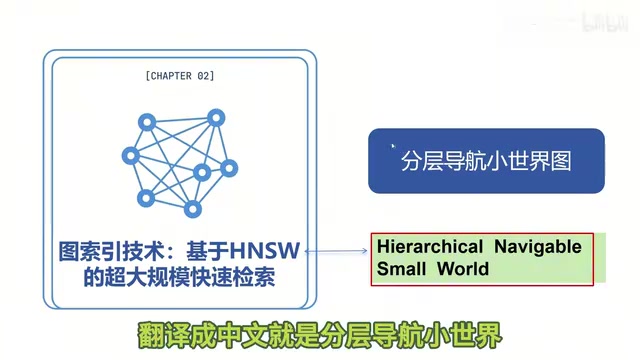
A Deep Dive into Vector Search for AI Agents: The Technical Foundations of RAG and Long-Term Memory
An in-depth look at the core tech behind AI Agents: how the HNSW, IVF, and PQ vector search algorithms power RAG and long-term memory. Understand where a model's "memory" and "knowledge" come from.
Read more →

·3 min
Four Paths for Frontend Engineers to Level Up in AI: From RAG to Vertical Agents
How can frontend engineers transition into AI development? This guide covers four agent development directions: RAG, workflow agents, vertical agents, and general-purpose agents — with framework picks like LangChain.js.
Read more →

·3 min
From RAG to Agent: A Complete Architecture Guide for AI-Native Systems
A comprehensive guide to modern AI-native system architecture: LLM reasoning, three RAG paradigms (vector/knowledge graph/BM25), Agents, MCP tool calling, AI gateways, and observability for enterprise AI.
Read more →
·3 min
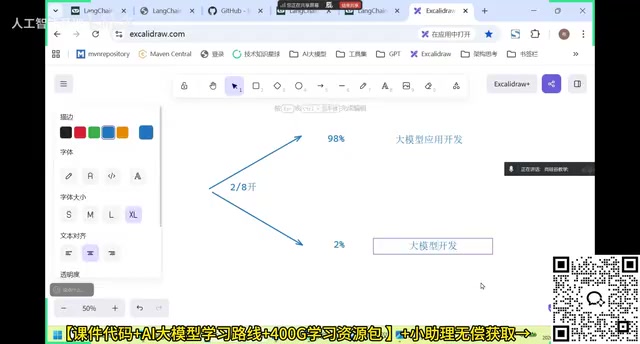
LangChain Practical Guide: From RAG Applications to Intelligent Agent Development
A comprehensive guide to LangChain: core concepts, RAG applications, Agent development, version selection (0.3/1.0), and career opportunities for Java/Python developers entering LLM development.
Read more →