#graph-based workflow
82 related articles
Agentic Loop Explained: The Three-Loop…
·2 min
Agentic Loop Explained: The Three-Loop Architecture of Reasoning, Tool Use, and Orchestration
A deep dive into the Agentic Loop — breaking down the three-layer architecture of reasoning, tool use, and orchestration to help developers build and debug reliable AI agent systems.
Read more →

·2 min
Why I Gave Up on Claude Code's Full-Auto Mode: Real-World AI Agent Experience and Safety Reflections
Real-world insights on Claude Code vs. OpenCode, practical tool combinations, and security risks of full AI Agent automation — with strategies for safe, stable workflows.
Read more →
PlanWright: A Control Plane and Multi-…
·2 min
PlanWright: A Control Plane and Multi-Agent Orchestration Layer for AI Coding Agents
PlanWright is a control plane for AI coding agents, drawing on Kubernetes orchestration principles to tackle multi-agent task assignment, state tracking, and collaboration conflicts.
Read more →

·3 min
Complete Guide to LangChain 1.3: From Models and Agents to DeepAgent Architecture
A complete guide to LangChain 1.3: LLM invocation, Agent tool calling, Harness architecture, LangGraph, RAG, and DeepAgent — build a clear, modern Agent development knowledge base.
Read more →
There's No Best Agent Framework — Only…
·2 min
There's No Best Agent Framework — Only the Right One for Your Needs: A Deep Comparison of Leading Options
LangGraph, PydanticAI, OpenAI Agents SDK, CrewAI — a senior developer's practical guide to choosing the right AI Agent framework for your project.
Read more →

·4 min
LangChain V1.3 in Practice: Master AI Engineering Thinking and Break Free from Tool Dependency
LangChain V1.3 course deep-dive: why engineering thinking beats tool-chasing. Covers RAG accuracy myths, Token cost control, and LangChain/LangGraph/Deep Agent breakdowns.
Read more →

·3 min
AI Agent Beginner's Guide: LLMs vs. Agents, and a Full Breakdown of Development Tools
What is an AI Agent? This guide explains the key differences between LLMs and Agents, breaks down the Agent formula (LLM + Workflow + Knowledge Base), and compares tools like Dify, Coze, LangChain, and LlamaIndex.
Read more →

·6 min
Introducing Consistency Regularization to YOLOv8: Principles, Practice, and Performance Trade-offs
An in-depth analysis of introducing consistency regularization into YOLOv8, covering dual-branch augmentation, consistency loss construction, robustness gains, and training cost trade-offs for object detection optimization.
Read more →

·7 min
Unity Custom MCP Tool Development Guide: Enabling AI Agents to Precisely Control the Editor
Learn how to develop custom tools based on the Unity MCP Relay Server, enabling AI agents like Cursor to directly control the Unity editor. Covers setup, tool building, parameter validation, and MCP Pro comparison.
Read more →
·5 min
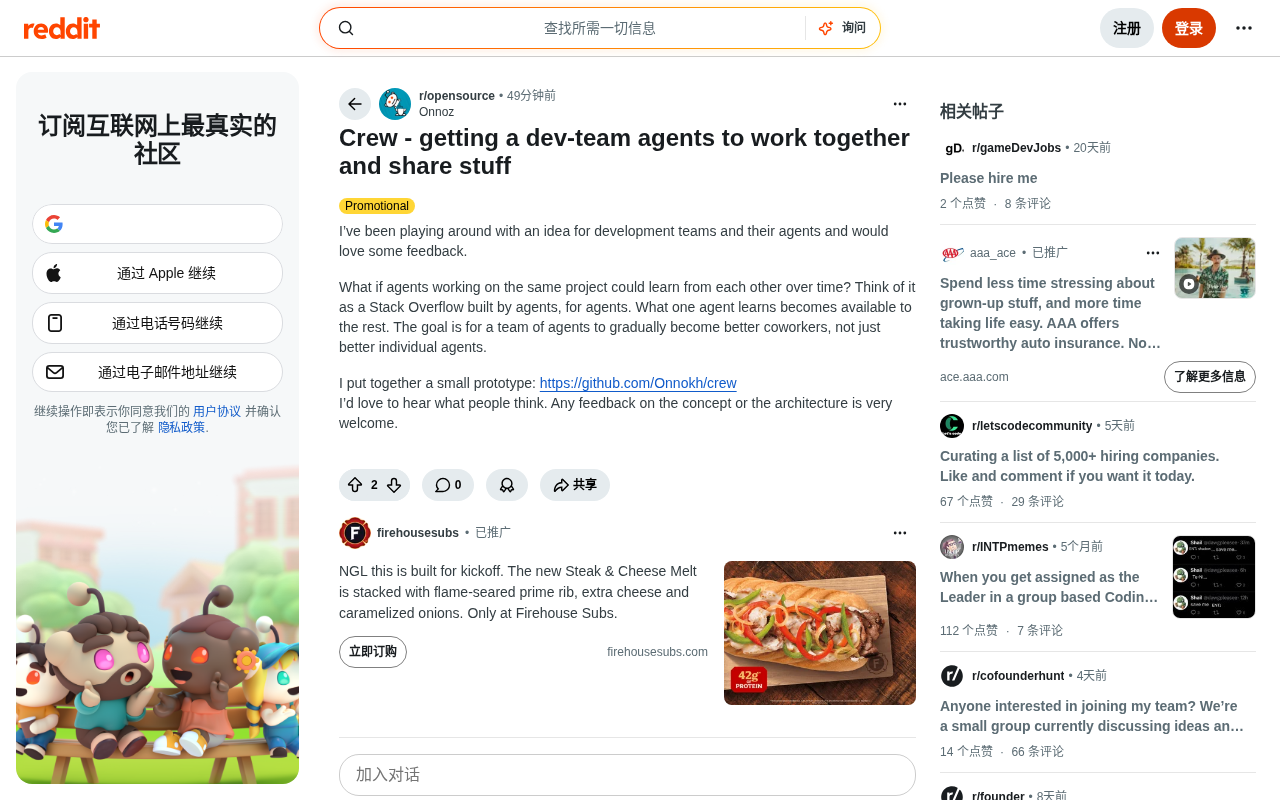
Crew: Enabling Multiple AI Agents to Collaborate and Share Knowledge Like a Team
Crew is an open-source AI agent collaboration framework whose core idea is to build a "Stack Overflow" for agents—letting multiple agents share experience and accumulate knowledge, shifting from optimizing single agents to building evolving teams.
Read more →

·4 min
AI Agent Learning Path for Beginners: From Theory to Real-World Practice
A complete AI Agent learning roadmap covering BDI theory, core components (Perception/Planning/Execution), AutoGen multi-agent frameworks, and DeepSeek RAG projects for beginners.
Read more →

·6 min
AI's Second Half: The Decisive Battle Shifts from Models to Infrastructure
Model capabilities are converging, making inference cost and scalability the new focus of AI competition. A deep analysis of AI infrastructure's core layers.
Read more →
·7 min
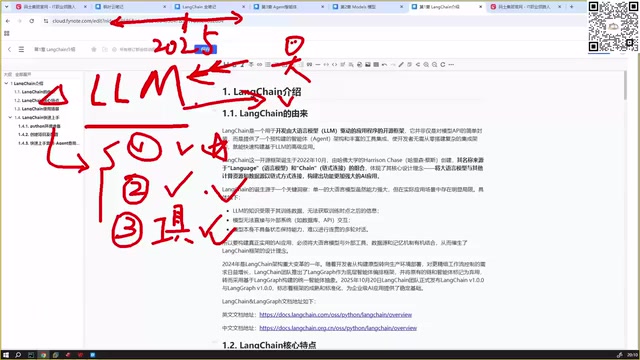
LangChain Hands-On Guide: From LLM Calls to Agent Development
Master LangChain from scratch: the three limitations of LLMs, init_chat_model unified interface config, the Message type system, and the path from LLM calls to Agent development.
Read more →

·3 min
Building LangGraph from Scratch in TypeScript: A Complete Agent Development Guide for Frontend Engineers
How can frontend developers get into AI Agent development with TypeScript? This guide covers a four-stage path from API calls to building LangGraph from scratch, including Zod, state management, and node-edge design.
Read more →

·7 min
Building AI Agent Frameworks with TypeScript: The Core Development Paradigm for Full-Stack Developers
An in-depth look at why TypeScript is the top choice for AI Agent development: covering Zod structured output validation, LangGraph's graph state machine design, and a full learning path for front-end devs transitioning to full-stack AI.
Read more →

·7 min
A Complete Guide to LangGraph's Core Concepts: The Framework of Choice for Enterprise Agent Development
An in-depth analysis of LangGraph's core concepts: short-term and long-term storage mechanisms, its differences from LangChain, the MIT open-source license, and private deployment solutions for enterprise Agent development.
Read more →
TaskPeace: An AI Coding Agent Task Que…
·2 min
TaskPeace: An AI Coding Agent Task Queue System Built on the MCP Protocol
TaskPeace is a task queue system for AI coding agents that uses the MCP protocol to let Claude, Cursor, and other AI assistants autonomously claim and execute tasks.
Read more →

·6 min
LangChain 1.0 Comprehensive Guide: Three Core Frameworks and Hands-On AI Application Development
Deep dive into LangChain 1.0's architecture: LangChain framework, LangGraph multi-Agent orchestration, and LangSmith observability platform, with hands-on RAG and intelligent customer service projects.
Read more →

·7 min
Claude Code Command Orchestration: One-Click Content Research and Auto-Publishing
Learn how to orchestrate Claude Code custom commands to chain content research and social media publishing agents into a fully automated workflow with one command.
Read more →

·6 min
LangChain + MCP in Practice: A Pitfall-Avoidance Guide to LLM Selection and Local Deployment
DeepSeek R1 lacks Function Calling and JSON Output by default. Qwen3's programmable thinking modes make it the top open-source agent choice. Key LLM selection pitfalls and MCP protocol updates.
Read more →