#pragmatic AI adoption
137 related articles

·3 min
SpecJudge: A Locally-Run AI Model Selection CLI Tool
SpecJudge is a fully local CLI tool that reads project spec documents to automatically recommend the best-fit AI model, avoiding costly overuse of frontier models. Supports Ollama, MIT licensed.
Read more →

·3 min
How AI Can Curb Knowledge Decay in Software Engineering: Insights from IBM's Perspective
Exploring IBM's perspective on AI curbing software engineering knowledge decay, analyzing AI's role in code comprehension, decision recording, and knowledge retrieval, plus how enterprises can build the right habits around AI.
Read more →

·2 min
Bun Now Generates CLAUDE.md by Default: The AI-Native Development Era Has Arrived
Bun runtime now generates a CLAUDE.md file by default with bun init, signaling AI assistants becoming first-class citizens in the development toolchain.
Read more →

·3 min
Fast Remediation Replaces Zero Vulnerabilities: A New Trust Model for Software Security in the AI Era
In the AI era, zero vulnerabilities is unrealistic. Explore why fast remediation is becoming the new security trust model and how MTTR metrics are reshaping software supply chain security.
Read more →

·2 min
If AI Writes All the Code, What's Left for Programmers?
AI coding tools are spreading fast—so where does programmer value lie? This article analyzes three key role shifts: from writer to reviewer, implementer to designer, and lone wolf to coordinator.
Read more →

·4 min
GPT-5.6 Value Maxing Practical Guide: From Token Stacking to Output Optimization Methodology
Deep dive into OpenAI GPT-5.6 Value Maxing strategies covering Sol/Terra/Luna model selection, KV cache optimization, Prompt compression, and programmatic tool calling to help developers achieve more output with fewer Tokens.
Read more →

·3 min
OpenAI Admin API Explained: How Enterprises Manage ChatGPT at Scale
Deep dive into how OpenAI Admin API and ChatGPT Work help IT admins manage enterprise ChatGPT at scale—covering access control, cost monitoring, usage insights, and smart quota recommendations.
Read more →

·3 min
How to Choose an AI Agent Platform for Your Team: 5 Evaluation Dimensions and a Decision Framework
Choose the right AI Agent platform by evaluating model flexibility, observability, tool integration, security compliance, and total cost. A complete decision framework to help technical leaders avoid vendor lock-in.
Read more →

·3 min
How to Choose an AI Agent Platform for Your Team: 5 Evaluation Dimensions & Decision Framework
Choose an AI Agent platform by evaluating model flexibility, observability, tool integration, security compliance, and total cost. A complete decision framework to avoid vendor lock-in.
Read more →

·2 min
Kimi K3 Launches on Telnyx Inference API: A New Path for Chinese LLMs Going Global
Moonshot AI's Kimi K3 is now available on Telnyx Inference API. Explore how Chinese LLMs are entering global developer ecosystems through third-party inference platforms.
Read more →

·4 min
Jensen Huang Joins 50 Silicon Valley Giants to Champion Open-Source Models: How Capital Logic Overrides Political Correctness
Jensen Huang's first-ever tweet backs open-weight AI. 50 Silicon Valley giants oppose banning Chinese open-source models. Deep analysis of the interests behind closed vs. open AI ecosystems.
Read more →

·2 min
LightlyStudio: Open-Source Image Embedding Exploration Tool with Million-Scale Data Visualization
LightlyStudio is an Apache-2.0 open-source tool for image embedding visualization, hover preview, and distribution analysis, tested at million-scale to help developers explore, debug, and curate visual datasets.
Read more →
·3 min
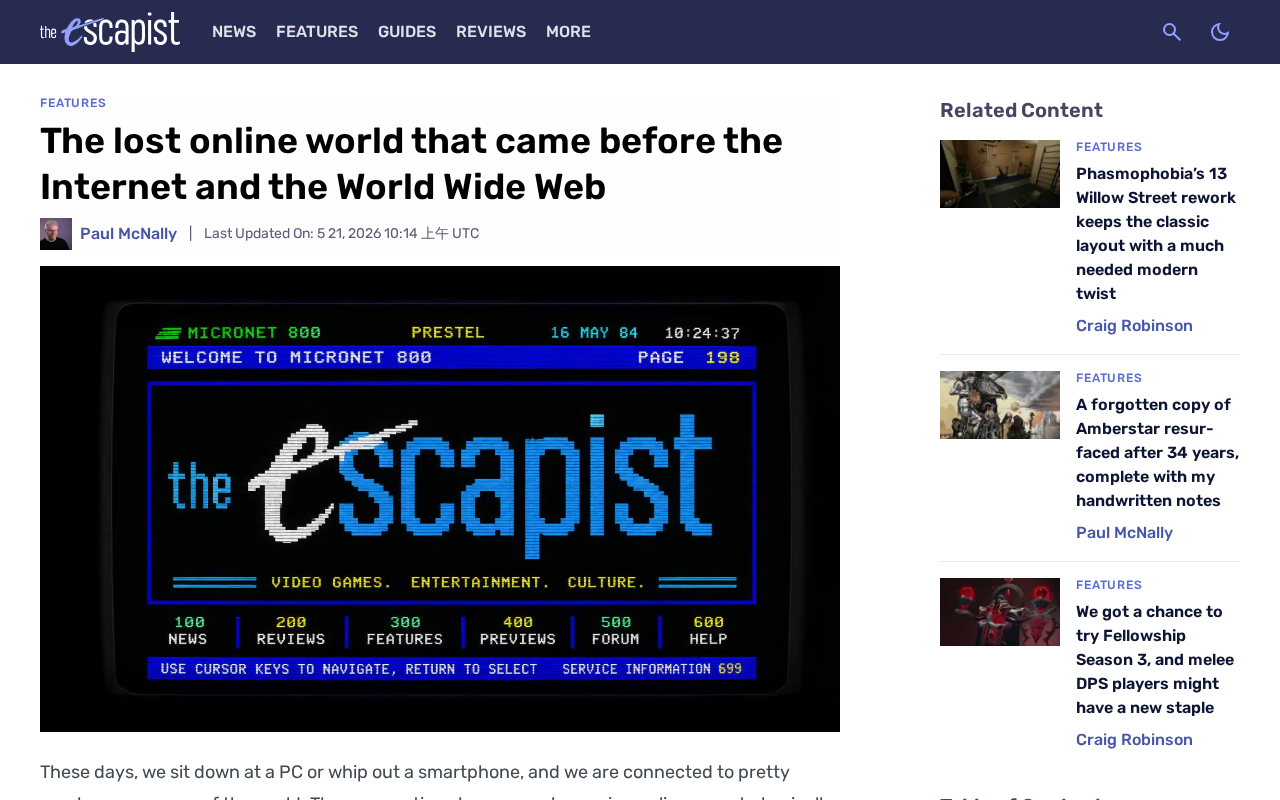
Prestel and Micronet: Britain's Lost Proto-Internet
Explore Britain's 1979 Prestel Viewdata system and its community platform Micronet 800 — an interactive online service that predated the World Wide Web by a decade, and why it lost to the open internet.
Read more →

·4 min
Chinese AI Accounts for 58% of US Compute Consumption: How Open-Source LLMs Are Disrupting Silicon Valley
OpenRouter data shows Chinese AI models now account for 58% of US AI consumption. Silicon Valley giants like DoorDash and Airbnb adopt Kimi, DeepSeek, and Qwen, leveraging low cost, high performance, and open weights.
Read more →

·3 min
Prestel and Micronet: Britain's Lost Proto-Internet
Explore the history of Britain's Prestel Viewdata system (1979) and its community platform Micronet 800 — an interactive online service that predated the World Wide Web by a decade, and why it lost to the open internet.
Read more →

·3 min
Getting Started with Codex: A Beginner's Guide to AI Agentic Coding Tools
A detailed guide to getting started with Codex and Claude Code AI agentic coding tools, from environment setup to hands-on practice, helping beginners master AI programming assistants.
Read more →

·3 min
Getting Started with Codex: A Zero-to-Hero Guide to AI Agentic Coding Tools
A detailed guide to getting started with Codex and Claude Code—two leading AI agentic coding tools. From environment setup to hands-on practice, even beginners with no coding experience can master AI programming assistants.
Read more →

·3 min
Record AI Lobbying Spending: How Tech Giants Are Shaping Washington's Policy Agenda
AI industry lobbying in Washington hits record highs as OpenAI, Google, Meta, and other giants spend heavily to shape legislation. A deep analysis of the forces, landscape, and policy implications.
Read more →

·3 min
Dear ImGui Deep Dive: Why This Immediate Mode GUI Library Has Won Over C++ Developers
Deep dive into Dear ImGui's immediate mode GUI design, technical features, and use cases. Covers immediate vs retained mode, backend support, game engine integration, and ecosystem extensions.
Read more →
·3 min
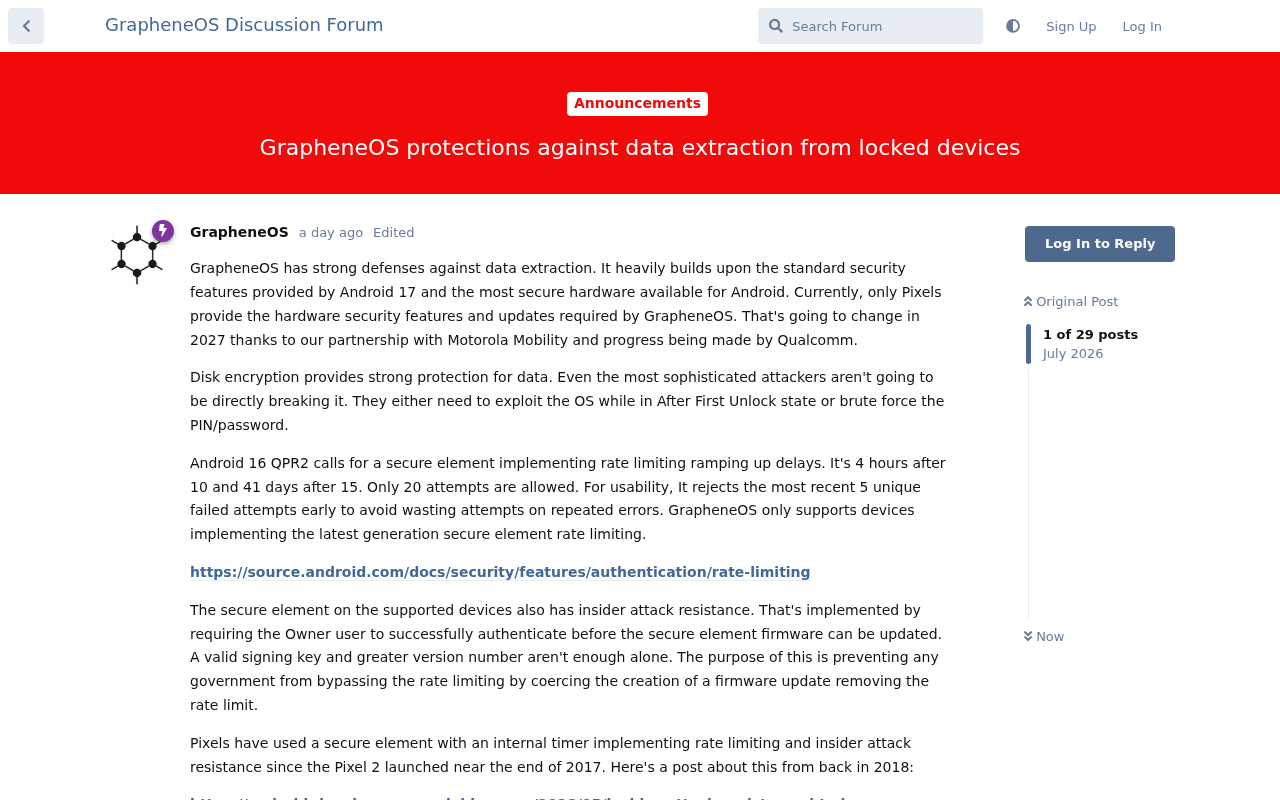
GrapheneOS Lock Screen Defense Mechanisms Explained: How It Resists Data Extraction by Forensic Tools
Explore how GrapheneOS defends against forensic tools like Cellebrite through auto-reboot, USB port controls, and hardware-backed brute force protection to safeguard locked device data.
Read more →