#precision weakness detection
34 related articles

·3 min
The ISNAD Framework: Building a Trust Verification Layer for Multi-Agent AI Systems Using a Millennium-Old Scholarly Tradition
The ISNAD framework adapts Islamic chain-of-transmission verification to build a trust layer for multi-agent AI systems, focusing on claim verification over agent authentication to combat hallucinations and silent failures.
Read more →

·2 min
Firemaps Spain: Real-Time Wildfire Monitoring Map with Wind Flow Visualization
Firemaps Spain is an open-source real-time wildfire monitoring tool for Spain and Portugal, combining fire hotspot data with wind flow visualization to help assess fire spread direction.
Read more →

·3 min
Kimi K3 Hands-On Review: 2.5 Trillion Parameter Open-Source Model Challenges Claude
Kimi K3 hands-on review: Moonshot AI's 2.5T parameter MoE model matches Claude in coding, surpasses it in 3D game development, with API pricing at one-tenth the cost of competitors.
Read more →

·3 min
Kimi K3 Hands-On Review: 2.5 Trillion Parameter Open-Source Model Takes on Claude
Hands-on review of Kimi K3, Moonshot AI's latest 2.5T parameter MoE model. Coding ability ties with Claude, surpasses it in 3D game dev, with API pricing at one-tenth of competitors.
Read more →

·3 min
Replacing spaCy's Sentencizer with yasbd: Accuracy Jumps from 55% to 98.9%
spaCy's default Sentencizer achieves only 55.4% accuracy on edge cases, while open-source library yasbd reaches 98.9%. Analysis of limitations and integration code examples.
Read more →
·7 min
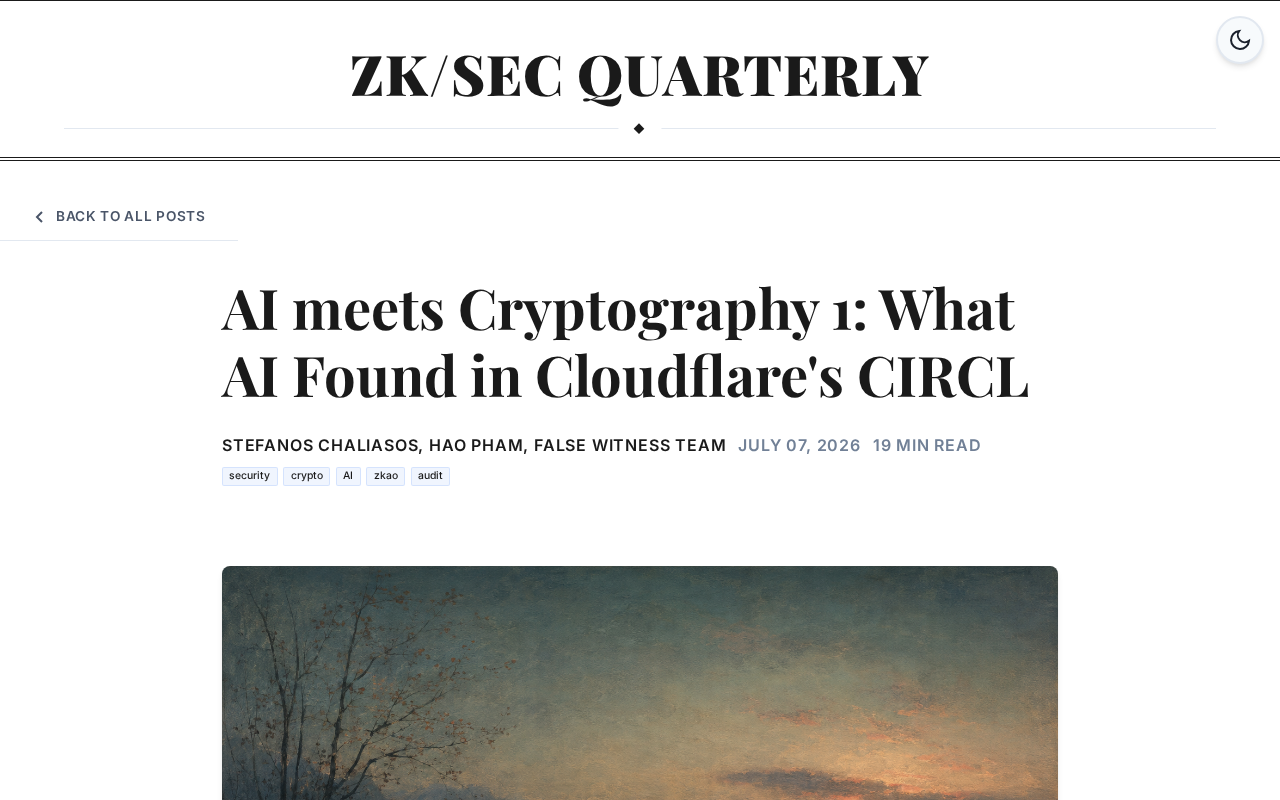
Auditing Cryptographic Libraries with AI: What We Found in Cloudflare's CIRCL
An in-depth look at using AI LLMs to audit Cloudflare's open-source cryptographic library CIRCL, covering constant-time detection, side-channel vulnerabilities, and human-AI collaboration.
Read more →

·2 min
GPT-5.6 Three-Model Showdown: Sol vs Terra vs Luna — Which One Should You Pick?
OpenAI GPT-5.6 launches Sol, Terra, and Luna simultaneously. We compare benchmarks and real-world coding tests to help you choose the right model for your needs.
Read more →
·3 min
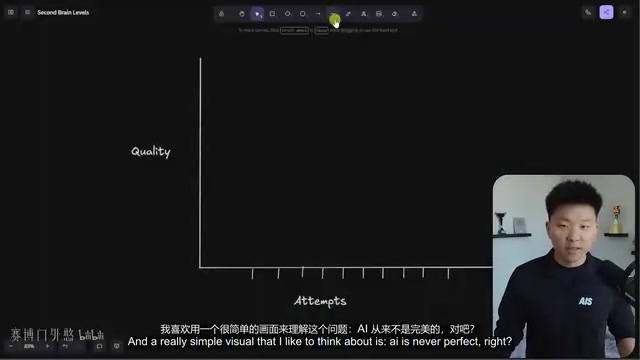
Agent Loop: A Design Guide for AI Autonomous Reasoning-Action-Verification Workflows
A deep dive into AI Agent Loops: from single loops to multi-agent collaboration. Master goal definition, validation mechanisms, and stop conditions to avoid blindly building agent fleets.
Read more →

·2 min
17 Million Mouse Trajectories: The Real ML Value of Gaming Behavioral Data
A LoL player collected 17M mouse trajectories and 670K clicks across 350 matches. We analyze the real ML value and limitations of this gaming telemetry data.
Read more →

·2 min
Text-Only Models Controlling a Linux Desktop: Inside PawFlow's Dual-Model Architecture
PawFlow decouples vision and reasoning into two models, letting a text-only LLM reliably control a Linux desktop. A deep dive into its dual-model architecture, pre-click guard, and caching strategy.
Read more →

·6 min
The Frontier of AI Interpretability Research: Opening the Neural Network Black Box
An in-depth look at AI interpretability research: from chain of thought and probes to sparse autoencoders, exploring how scientists understand neural network internals and assess AI alignment and safety.
Read more →

·3 min
Enterprise AI Evaluation Tools: An In-Depth Comparison of Six Leading Platforms
An in-depth comparison of five AI evaluation tools—Arize, Braintrust, Confident AI, Langfuse, and LangSmith—across governance, framework lock-in, and evaluation vs. monitoring.
Read more →

·7 min
Building AI Agents in Rust: The GAIA Benchmark Reveals the Capability Ceiling of Large Models
A Rust-based AI Agent evaluation framework uses the GAIA benchmark to compare GPT, Claude, DeepSeek and other models with no tools. Results show pure LLMs cap at ~25% accuracy, revealing why tool use is decisive for Agents.
Read more →

·5 min
GLM-5.2 Hands-On Review: A 753B-Parameter Open Model That Beats GPT and Claude on Value
In-depth hands-on review of Zhipu AI's flagship GLM-5.2: a 1M-token context window and API pricing just one-fifth of GPT/Claude. Covers website building, Chrome extensions, 3D game cloning, and agentic workflows.
Read more →

·3 min
Espionage Infiltration of the European Parliament: A Deep Warning for Government Cybersecurity
The European Parliament faces state-sponsored espionage via spear-phishing, supply chain attacks, and long-term persistence. This analysis explores why legislatures are prime targets and key defenses like Zero Trust and EDR.
Read more →

·2 min
Fine-Tuning PaliGemma 2 for Custom Object Detection: A Practical Guide from General to Specialized
Learn how to fine-tune Google's open-source PaliGemma 2 VLM for custom object detection. Covers model architecture, data formatting, fine-tuning strategies, and real-world value.
Read more →
·6 min
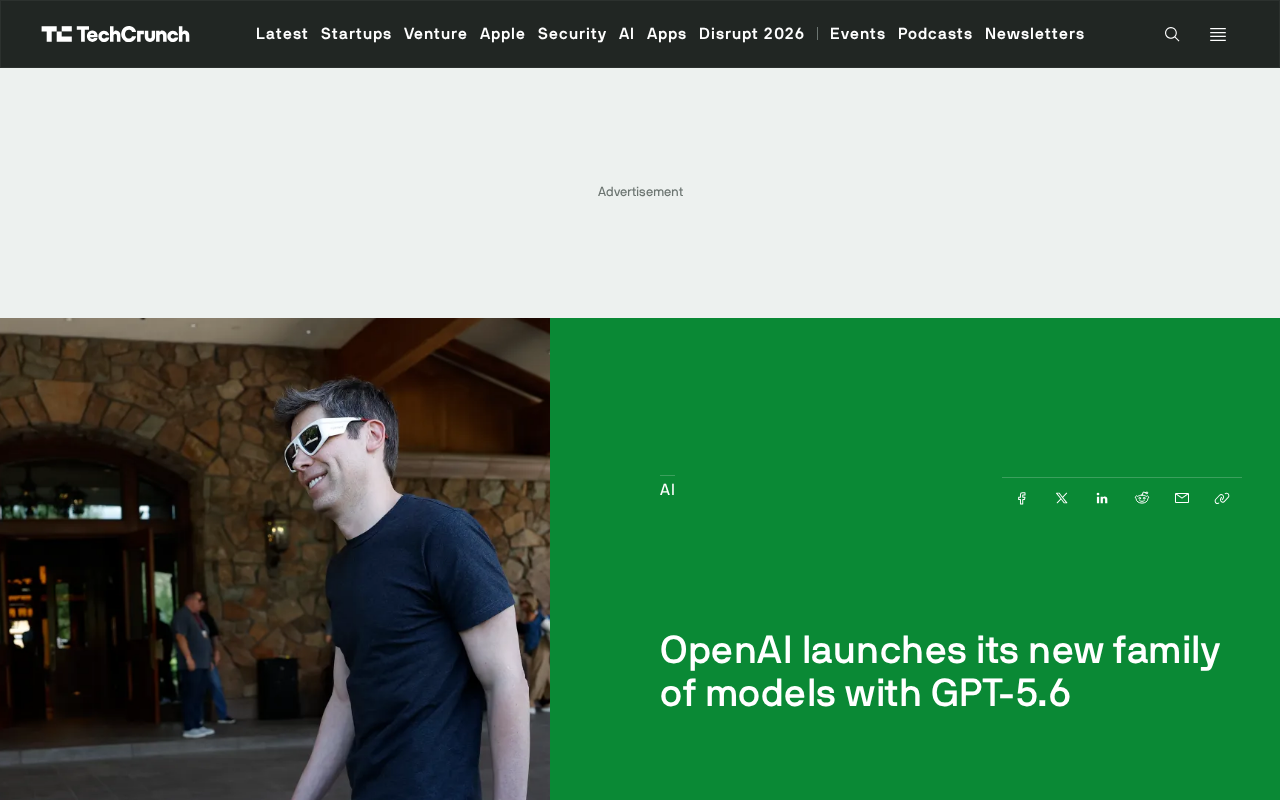
OpenAI Releases GPT-5.6: Cybersecurity Capabilities Take Center Stage
OpenAI launches the GPT-5.6 model family with cybersecurity as its biggest highlight. A deep analysis of GPT-5.6's differentiation, double-edged-sword effect, and enterprise strategy.
Read more →

·4 min
Grok vs GPT vs Claude: Which AI is the Best Coding Assistant?
Grok 4.5, GPT-5.5, and Claude go head-to-head on the same coding tasks. A deep comparison of code quality, UI design, and engineering standards to help you choose the right AI coding assistant.
Read more →

·4 min
FTPO: A Training-Level Solution to AI Repetition Loops
FTPO (Final Token Preference Optimization) tackles AI "Doom Loops" at the training level rather than patching them at inference time — exploring its principles, value for small/quantized models, and open challenges.
Read more →

·7 min
Tencent DiscoBench: The First Benchmark for Evaluating LLM Search Agents' Ambiguity Clarification Capabilities
Tencent Hunyuan and Tsinghua jointly release DiscoBench, the first benchmark evaluating search agents' dynamic ambiguity clarification. Covering 463 ambiguity instances across 11 domains, it reveals real weaknesses of mainstream LLMs.
Read more →