#remote development environment
459 related articles

·4 min
OpenAI Employee Shares How to Build an AI Work Operating System with Codex
OpenAI's Jason Liu shares how he uses ChatGPT Workbench and Codex to build an AI work OS: Chief of Staff automation, persistent threads, Skills/Plugins, browser control, and app-building methodology.
Read more →

·2 min
ChatGPT Voice Upgrade: Driving Complete Workflows Through Natural Conversation
OpenAI demos ChatGPT voice on desktop driving full workflows — blog drafting, code debugging, and team collaboration through natural conversation.
Read more →

·4 min
Advice from the Creator of Claude Code: Automation Is an Engineer's True Moat
Claude Code creator Boris argues top engineers should embrace AI-era automation leverage. By encoding domain knowledge into infrastructure, preview environments, and lint rules, engineers multiply output—the core path to Staff Engineer.
Read more →

·2 min
Breaking Through CI/CD Storage Bottlenecks: Why Senior Engineers Are Returning to the Storage Domain
Exploring overlooked storage and caching bottlenecks in CI/CD pipelines, how Blacksmith redesigns storage architecture to accelerate builds, and why storage is a rebirth opportunity in cloud-native.
Read more →

·5 min
WebMCP in Practice: Building Browser AI Agent Tools & DevTools Debugging Guide
A detailed guide to Google's WebMCP standard proposal, covering imperative and declarative tool building, smart home and car configuration demos, and Chrome DevTools debugging for AI agent tools.
Read more →

·3 min
Poolside Laguna Model Launch: Can Silicon Valley's Open-Source Push Catch Up to China's AI?
Poolside launches Laguna open-weight model after 18 months of silence, pitting 118B parameters against Kimi K3's 2.8 trillion. Can Silicon Valley's open-source push close the gap with Chinese AI?
Read more →
·3 min
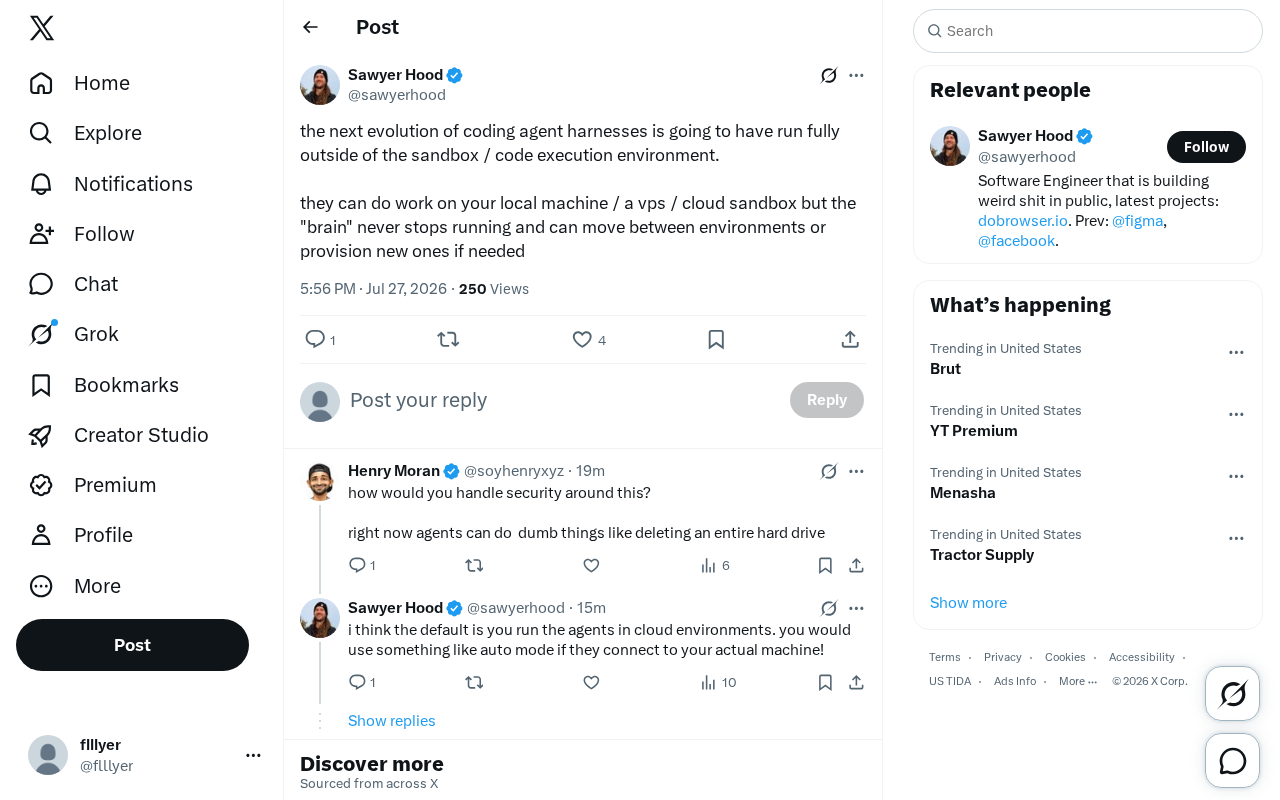
The Next Evolution of Coding Agents: Letting the Brain Break Free from the Sandbox
Exploring the key evolution in coding agent architecture: separating the reasoning core from code execution environments to decouple control and execution planes.
Read more →
·3 min
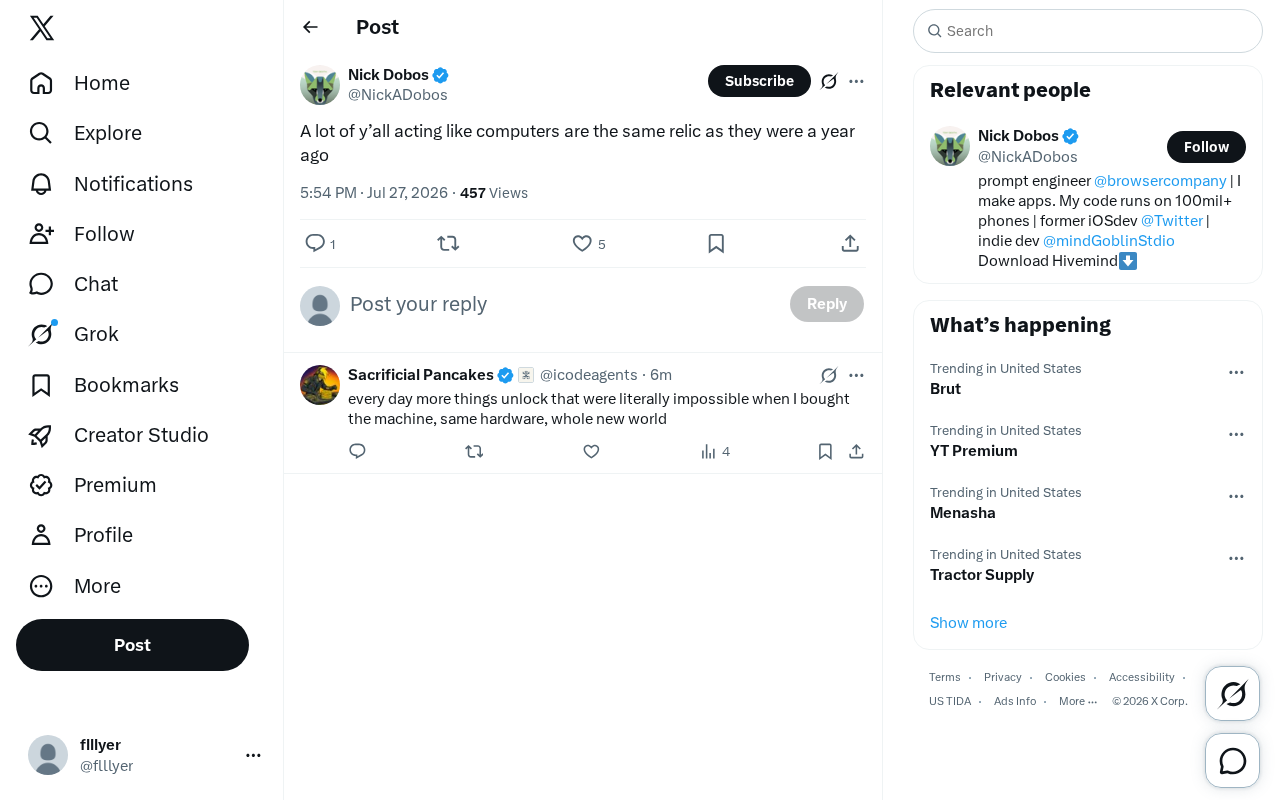
The Computer Is Being Redefined in the AI Era — Has Your Understanding Kept Up?
Generative AI is profoundly redefining the personal computer — from passive tool to intelligent collaborator. This article examines the core shifts of the AI PC era and the productivity gap created by cognitive lag.
Read more →

·3 min
Poolside Laguna Model Release: Can Silicon Valley Open Source Catch Up with Chinese AI?
Poolside releases its Laguna open-weight model after 18 months of silence, challenging Moonshot's Kimi K3 with 118B vs 2.8T parameters. Can Silicon Valley close the gap with Chinese AI?
Read more →
·3 min
The Next Evolution of Coding Agents: Letting the Brain Escape the Sandbox
Exploring the next evolution in coding agent architecture: decoupling the reasoning core from code execution environments to separate control and execution planes.
Read more →
·3 min
Computers Are Being Redefined in the AI Era — Has Your Understanding Kept Up?
Generative AI is profoundly redefining personal computers — from passive tools to intelligent collaborators, from deterministic computation to probabilistic reasoning. Explore the core shifts of the AI PC era.
Read more →

·3 min
Volvo Fleet Management Platform Vulnerability Analysis: The Security Risk of One-Click Takeover of All Vehicles
Security researchers disclosed critical access control flaws in Volvo and Eicher's fleet management platform, enabling one-click takeover of all user accounts and vehicles.
Read more →

·4 min
Frontend Engineer Driven to Homelab by AI: From React Specialist to Full-Stack Self-Rescue
A 7-year frontend engineer, fearing AI-driven job loss, builds a homelab to learn Docker, databases, and networking. A pragmatic roadmap for developers building breadth in the AI era.
Read more →
·6 min
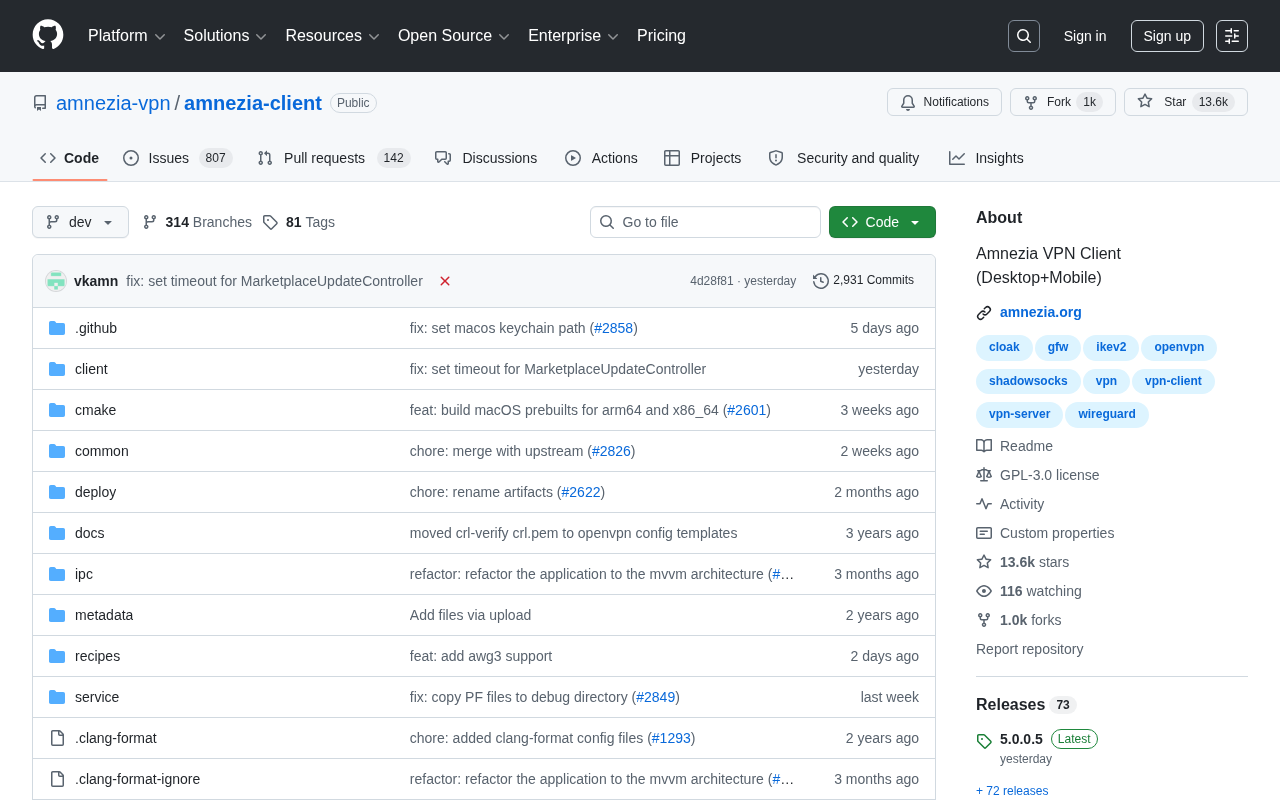
AmneziaVPN Deep Dive: The Open-Source Powerhouse for Self-Hosted, Censorship-Resistant VPN
Deep dive into the AmneziaVPN open-source client: AmneziaWG anti-DPI obfuscation, self-hosted VPS deployment, multi-protocol support, and cross-platform privacy.
Read more →

·3 min
Automating GitHub Releases: Design and Practice of a Tag-Triggered Release Action
A ten-year open source maintainer shares how to build a universal tag-to-release GitHub Action, covering its opinionated design philosophy, dogfooding validation, and AI-assisted development.
Read more →

·3 min
Herder: The Open-Source Terminal Tool for Unified Management of Multiple AI Coding Agents
Herder is an open-source terminal multiplexer for macOS and Windows that unifies management of Claude Code, Codex, OpenCode, and other AI coding agents—with persistence and remote reconnection.
Read more →

·3 min
Hermes Agent in Practice: A Self-Evolving AI Agent Framework
Hermes Agent is a mature AI Agent framework with built-in Claude Code and Codex coding capabilities, supporting 200+ models, multi-platform deployment, and WeChat integration. Its layered memory and self-evolution features enable low-Token automated task execution.
Read more →

·3 min
Pi Agent Configuration Guide: Building Your Own AI Coding Assistant
A step-by-step Pi Agent configuration tutorial covering installation, LLM connection, extension ecosystem, MCP setup, and Token-saving tips. Learn to build a truly controllable AI coding assistant.
Read more →

·4 min
Spring AI 2.0: Five Key Updates Explained — Marching Toward the Age of AI Agents
Spring AI 2.0 brings five core updates: mandatory upgrade to Spring Boot 4, Tools parsing moving up, a built-in Agentic mechanism, MCP switching to Streamable HTTP, and an on-demand tool Advisor.
Read more →

·4 min
Spring AI 2.0 Explained: Five Key Updates Ushering in the Age of AI Agents
Spring AI 2.0 brings five core updates: mandatory Spring Boot 4 upgrade, Tools parsing moved up, built-in Agentic mechanism, MCP switch to Streamable HTTP, and on-demand tool-loading Advisor.
Read more →