#self-taught deep learning
26 related articles

·4 min
Getting Started with Machine Learning: How to Overcome Math Anxiety and Find a Pragmatic Learning Path
Scared off by math when starting ML? This article addresses beginners' math anxiety, clarifies how much linear algebra, calculus, and statistics you actually need, and provides a pragmatic top-down learning path with recommended resources.
Read more →

·4 min
Robotics Engineer Self-Study Roadmap: A Complete 9-Phase Plan from Zero to Employment
In-depth analysis of a 9-phase robotics engineer self-study roadmap covering Linux, C++, ROS2, SLAM to autonomous navigation, with practical advice for self-learners.
Read more →

·3 min
Self-Learning NLP: A Complete Path from Zero to Practical Application
A complete self-learning path for NLP covering fundamentals, Transformer concepts, hands-on projects, and tools like Hugging Face to help developers master NLP without returning to school.
Read more →

·2 min
SoundGate Guitar: An AI Guitar Practice Partner with Real-Time Listening and Error Correction
SoundGate Guitar is an AI guitar learning tool that uses zero-latency note detection and an interactive fretboard for real-time performance feedback, plus a built-in AI tutor for personalized practice plans.
Read more →

·3 min
New Gemini Jailbreak Method: Deep Analysis of the Observer and Accomplice Technique
Deep analysis of a Gemini jailbreak technique—the Observer and Accomplice method—examining how it exploits contextual manipulation and reasoning chain inconsistencies to bypass AI safety alignment.
Read more →

·5 min
From Chat to Agent: Automating Your Entire Business Workflow with AI Agents
Veteran AI practitioner Remy breaks down the leap from chat models to AI agents: how agents work, the three pillars of context, tools, and skills, MCP connections, and hands-on architecture to make you a 100x employee.
Read more →

·2 min
Python Learning Path for Beginners: A Complete Breakdown of Three Core Modules
A complete Python learning path for beginners covering three modules: Fundamentals, Intermediate, and Hands-On Practice — including web scraping, office automation, and data analysis.
Read more →

·3 min
Building a Transformer from Scratch: A PyTorch Hands-On Guide for Self-Taught Developers
A self-taught developer with 2 years of Python experience implements Transformer from scratch using plain PyTorch, following the original 'Attention Is All You Need' paper with a two-phase approach: inference first, then full training.
Read more →

·3 min
How CS Students Should Use AI to Learn Programming — Without the "Used It But Learned Nothing" Trap
Many CS students use AI to learn programming but later feel they didn't truly learn. This article breaks down the two AI learning traps and offers Socratic questioning, the Feynman Technique, and more to turn AI into a real learning accelerator.
Read more →

·2 min
AI Large Model Learning Roadmap: A Complete Five-Stage Guide from Zero to Independent Deployment
A complete 5-stage AI large model learning roadmap — from Python basics and prompt engineering to RAG pipelines, Agent development, and private model deployment.
Read more →

·2 min
Vibe Coding: A New Way to Learn Programming from Scratch in the AI Era
What is Vibe Coding? This in-depth guide explores AI-assisted programming for beginners: skip the syntax grind, build your first project in 15 minutes, and develop with intent.
Read more →

·3 min
DIY Two-Wheel Self-Balancing Robot from PVC Pipe: A Complete ESP32 + LoRa Build Guide
A self-taught maker built a two-wheel self-balancing rover from PVC pipe using ESP32 and LoRa, with a custom handheld controller. Full breakdown of hardware, PID control, and firmware.
Read more →

·2 min
Peer Instruction for ML Self-Learners: A Practical Guide to Breaking Through Plateaus
A civil engineering student's Reddit plea reveals ML self-learning's most overlooked obstacle: lack of feedback and peers. Explore peer instruction theory and actionable tips for cross-disciplinary AI learners.
Read more →

·2 min
A Beginner's Guide to Grokking Machine Learning: Self-Study Paths and Resource Recommendations
Why Grokking Machine Learning is a top pick for ML beginners — covering the author, content, legal access options, and an effective self-study roadmap.
Read more →
Naive Art in the Age of AI: How Gina G…
·2 min
Naive Art in the Age of AI: How Gina Gallery Defines Authentic Creation
Why is Gina Gallery of International Naive Art drawing attention in tech circles? Exploring Naive Art's core traits, its contrast with AI-generated art, and niche curation in the digital age.
Read more →
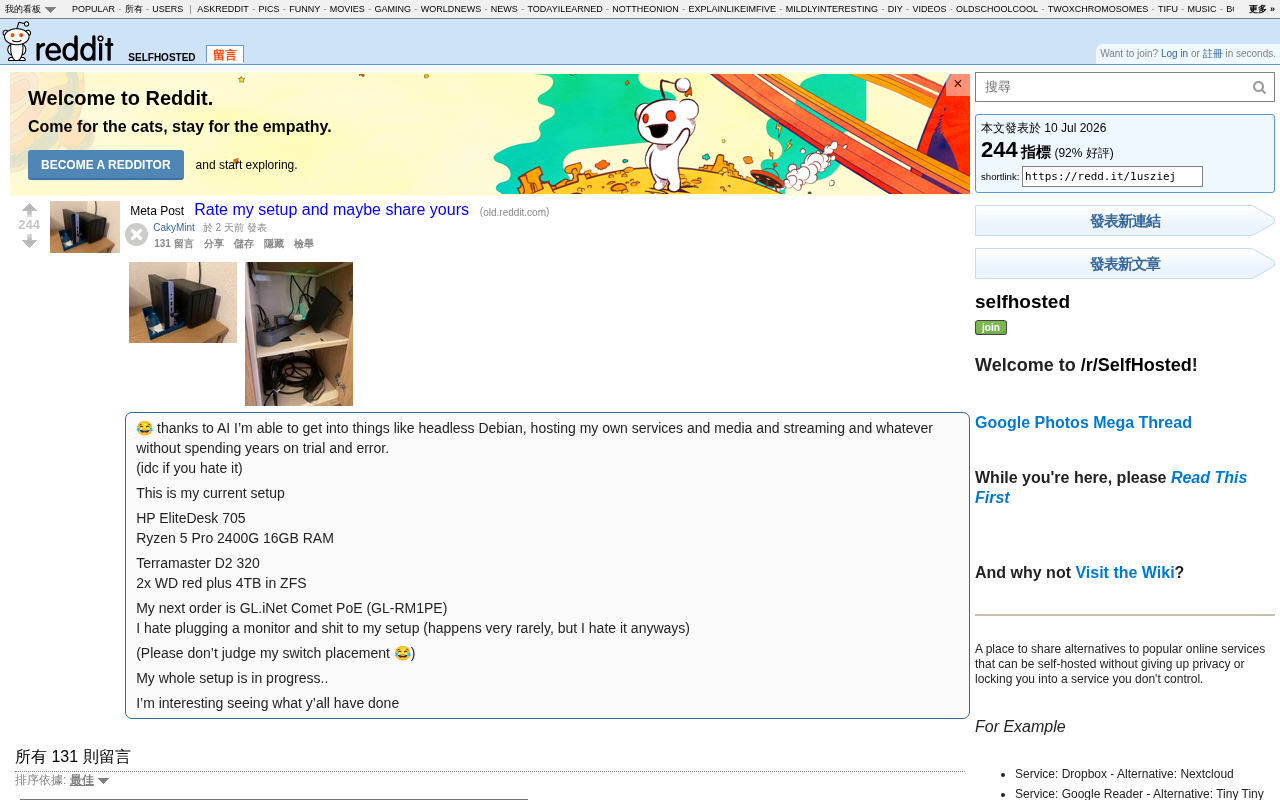
·3 min
AI-Powered Home Server Setup from Scratch: Hardware Selection to Remote Management
With AI tools, beginners can build a home self-hosting server without years of experience. This guide covers hardware selection (HP EliteDesk, ZFS, IP-KVM), Docker deployment, and how AI compresses the technical learning curve.
Read more →
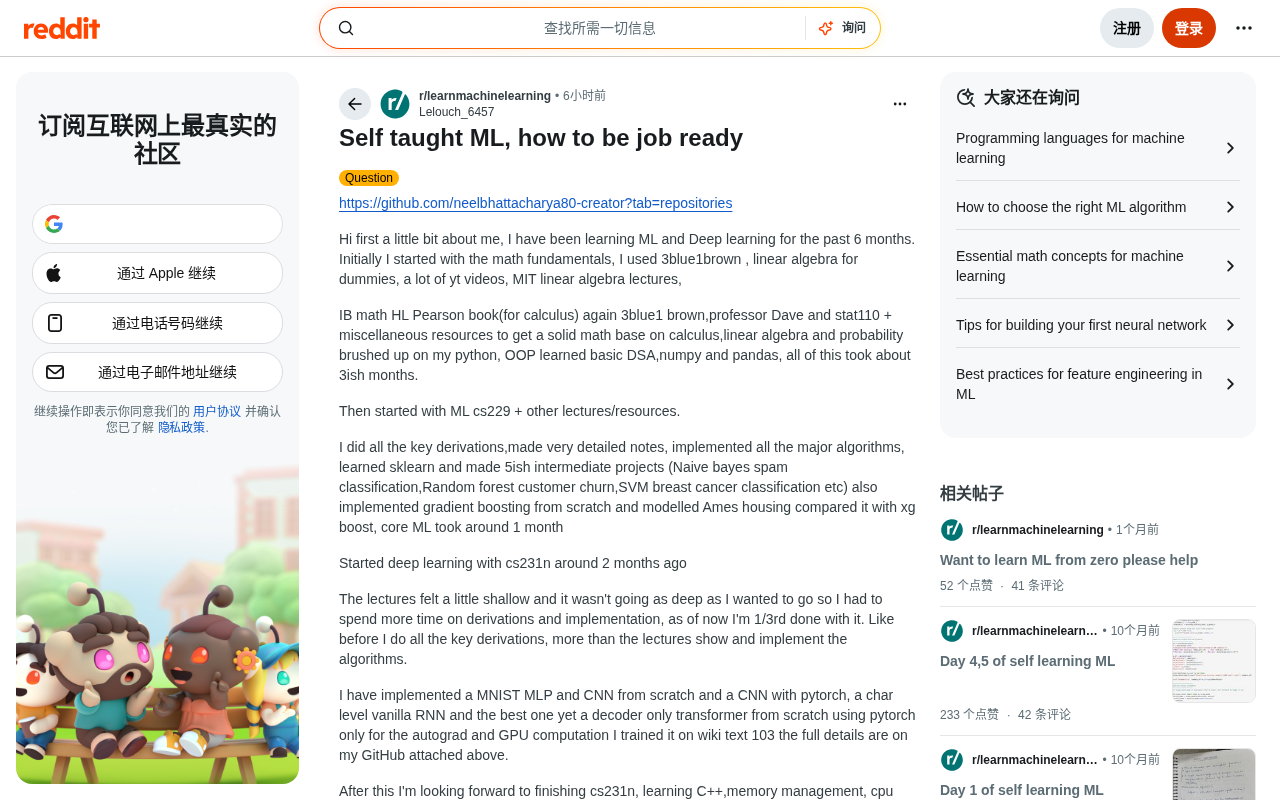
·4 min
6 Months of Self-Taught Machine Learning: A Complete Roadmap from Zero to Job-Ready
A self-learner completed a full progression from math foundations and core ML to deep learning in 6 months—hand-writing a Transformer and implementing gradient boosting from scratch. This article breaks down the highlights and blind spots of this real roadmap.
Read more →

·2 min
The 7-Stage Roadmap to Becoming an AI Engineer: Breaking Down the Value and Blind Spots of Each Phase
A roadmap for growing into an AI engineer, from Python basics to production deployment, covering LLM app development, RAG systems, model evaluation, and safety. This article breaks down each phase to help you avoid detours and go from beginner to production-ready faster.
Read more →

·6 min
An Efficient Learning Guide for Data Science: Study Partnerships and Hands-On ML in Practice
Struggling to learn data science alone? This article explores the value of study partnerships and pairs them with the classic Hands-On ML textbook to offer a phased learning plan from math foundations to deep learning.
Read more →

·4 min
Electrical Engineer to AI Engineer: A Real Story and Practical Transition Roadmap
A 6-year electrical engineer from Brazil weighs transitioning to AI engineering. This deep-dive covers the stability vs. freedom tradeoff, transition advantages, and a practical roadmap for engineers with similar backgrounds.
Read more →