#software development tooling
222 related articles

·4 min
Landing an Amazon AI/ML Internship Without On-Campus Recruiting: A Complete Preparation Guide
No Amazon on-campus recruiting? This guide details the off-campus path for CS students: DSA practice strategy, ML/LLM skill-building, portfolio creation, resume optimization, and referral tips.
Read more →

·2 min
GPT-5.6 Triple Model Integration in Cursor: Sol Scores 67.2% on CursorBench
OpenAI's GPT-5.6 models Sol, Terra, and Luna are now available in Cursor IDE. Sol scores 67.2% on CursorBench, covering real-world tasks like code completion and cross-file refactoring.
Read more →

·5 min
Postgres Is Enough More Often Than You Think: Stop Piling On Your Tech Stack
Many teams add message queues, search engines, and caches before they ever need them. This article maps out what Postgres can cover—task queues, full-text search, JSON storage—and when you actually need Redis, Kafka, or Elasticsearch.
Read more →

·3 min
AI Compliance Auditing: How to Build an Adversarial Testing Evidence System That Withstands Scrutiny
AI compliance is shifting from document storage to generating credible adversarial testing evidence. Learn how TRAIGA, NIST RMF, and ISO 42001 shape audit-grade red team testing requirements.
Read more →

·4 min
The Age of AI Agents: How Version Control Must Adapt to a Paradigm Shift
AI agents are breaking Git's core assumptions. Explore the three key challenges—concurrent conflicts, history readability, and code review—and where version control is headed next.
Read more →

·2 min
Meta Launches Muse Spark 1.1: Targeting Enterprise AI Coding and Agentic Automation
Meta launches Muse Spark 1.1, an AI coding assistant targeting enterprise agentic workloads, automated bug fixing, and large-scale code migration to compete with GitHub Copilot, Cursor, and Claude Code.
Read more →

·5 min
TensorRT Multi-Device Inference: Engineering Practices for Breaking Through Single-GPU Memory Bottlenecks
NVIDIA TensorRT now supports multi-device inference via pipeline and tensor parallelism, distributing large models across multiple GPUs to break through single-card memory limits.
Read more →
·3 min
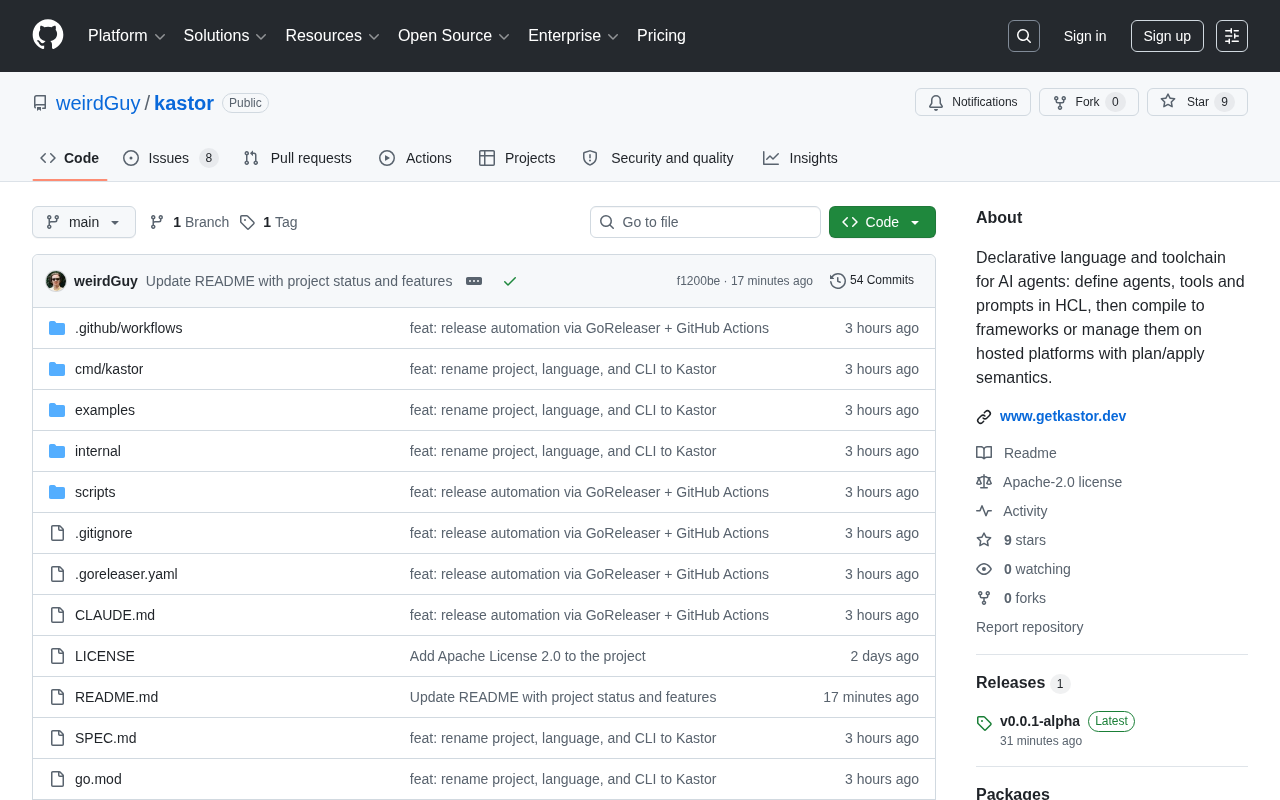
Kastor: A New Approach to Managing AI Agents with Declarative Specs
Kastor is an open-source project that brings IaC-style declarative specs to AI Agent management, inspired by Terraform — solving reproducibility, collaboration, and auditability challenges.
Read more →
·6 min
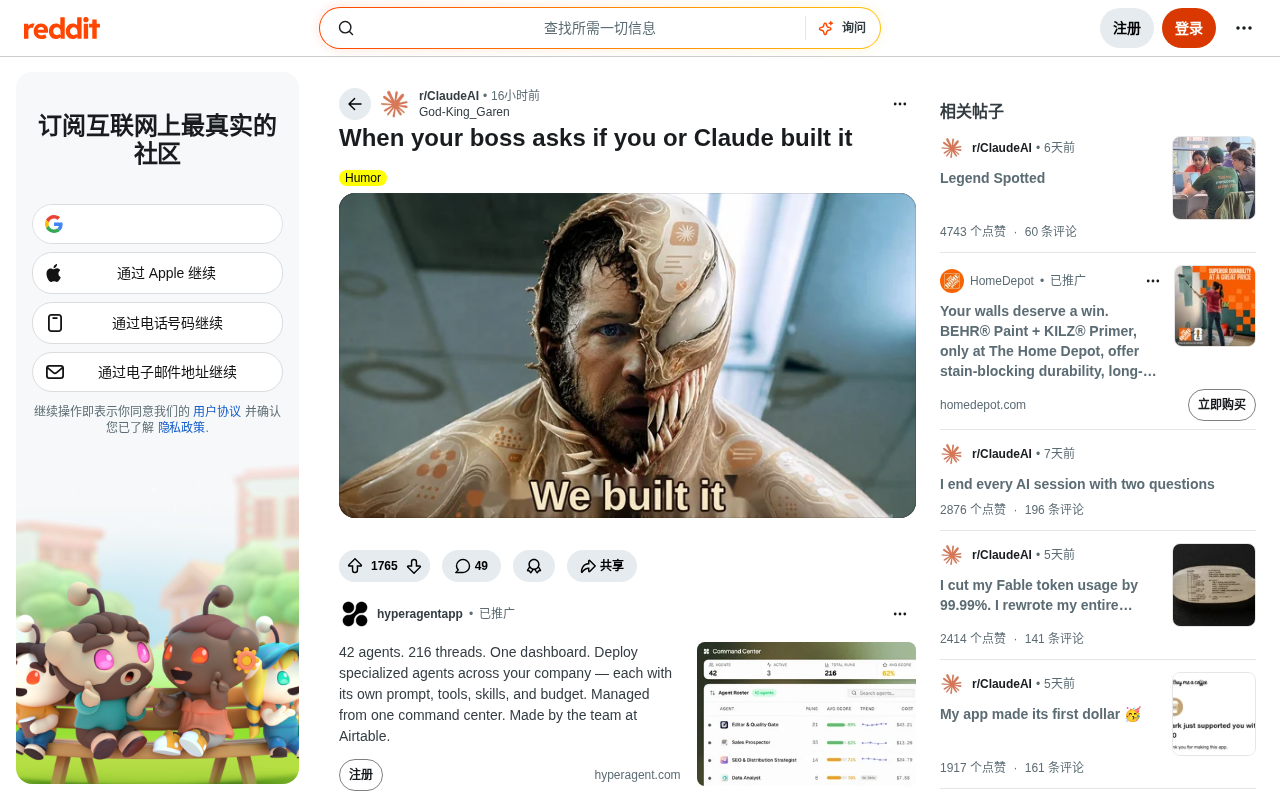
The AI Coding Era: Does Code Written by Claude Count as Yours?
The Reddit meme "did you or Claude build it" struck a chord with developers. This article explores how AI coding assistants reshape workflows, where the boundary of human-AI contribution lies, and how programmers can find irreplaceable value in the AI era.
Read more →

·5 min
Advanced Vibe Coding: How SuperPowers and GStack Make AI Coding Truly Converge
In the age of AI-assisted programming, how do you make tools like Codex and Claude Code output more stably? This article deeply analyzes SuperPowers and GStack, covering project-level orchestration and module-level code layering to help developers master AI coding.
Read more →

·2 min
Unsloth v0.1.462-beta: Keyboard Navigation and Accessibility Improvements for Model Picker
Unsloth v0.1.462-beta adds full keyboard navigation to the Studio Model Picker, fixes Tab focus order, and improves accessibility for LLM fine-tuning workflows.
Read more →

·3 min
Alibaba's Claude Ban Explained: The Truth Behind Three Converging Timelines
Alibaba banned Claude company-wide, flagging Claude Code as high-risk. Three converging timelines — Anthropic's distillation attack allegations, the 1260H list, and Claude Code's hidden detection system — reveal the geopolitical logic behind the ban.
Read more →

·4 min
Unsloth v0.1.463-beta: Fixes Studio Crash and llama-server Permission Issue
Unsloth v0.1.463-beta fixes a Studio crash caused by access-denied errors during llama-server service discovery. Improves stability for multi-user servers and Windows environments.
Read more →

·4 min
Harness Engineering: The Third Phase of AI Coding and a Practical Guide to agents.md
A deep dive into Harness Engineering — the third phase of AI coding. Based on research across 2,853 GitHub repos, explore agents.md, Skills, MCP, and eight configuration mechanisms to control your AI coding assistant.
Read more →

·2 min
Microsoft Open-Sources Flint: A Deep Dive into the AI Agent Behavior Visualization Language
Microsoft open-sources Flint, a visualization language for AI agents that helps developers understand decision paths, multi-step reasoning, and collaboration flows to improve debugging and observability.
Read more →

·6 min
AMD Ryzen AI Halo Dev Kit: A $4,000 Local LLM Powerhouse Taking on Apple and NVIDIA
AMD officially unveils the Ryzen AI Halo local AI dev kit, priced around $4,000 with 128GB unified memory, capable of running 70B LLMs locally. An in-depth look at its specs, pricing, and market competition.
Read more →

·4 min
Career Switch to LLM Development: A Four-Level Skill Progression Roadmap
Want to switch careers into LLM development but don't know where to start? This guide breaks down a four-level skill roadmap — from basics and API calls to RAG, fine-tuning, Agent development, and multimodal — to help you build real AI career value.
Read more →

·3 min
Getting Started with Codex: A Deep Dive Comparison of AI Coding Agents vs. Claude Code
A deep dive into AI coding agents like Codex and Claude Code — real-world comparisons, MCP protocol explained, and how these tools are transforming programming for developers and beginners alike.
Read more →

·7 min
Rowboat: An Open-Source, Local-First Alternative to Claude Desktop
Rowboat is an open-source, local-first AI desktop client positioned as a Claude Desktop alternative. Local data storage and fully transparent code help developers control privacy and workflows.
Read more →

·7 min
Fable AI Coding in Practice: Optimizing Reasoning Levels and Multi-Model Collaboration to Cut Costs
How developer Theo used Anthropic's Fable model to rebuild his AI coding workflow — controlling reasoning levels, multi-model routing with Codex, and sub-agent orchestration to cut costs from thousands to $150.
Read more →