#开源框架
45 related articles
 Product Reviews
·2 min
LightningRAG: A Full-Stack RAG Framework in Go, Built with Vue + Gin for High-Performance Retrieval-Augmented Generation
LightningRAG is an open-source full-stack RAG framework built with Vue and Gin, supporting knowledge base management, vector search, and multi-model integration. A deep dive into its architecture and comparison with LangChain and Dify.
Read more →
 Deep Dives
·5 min
Hugging Face Transformers: A Comprehensive Guide to the 160K-Star Open-Source AI Framework
Comprehensive guide to Hugging Face Transformers, the 160K-star GitHub framework—covering architecture, multimodal support, quantization, and inference optimization for loading, fine-tuning, and deploying pre-trained models.
Read more →
 Product Reviews
·4 min
Hugging Face Transformers: Deep Dive into the 160K-Star Open Source AI Model Framework
Deep dive into Hugging Face Transformers: architecture, multimodal support, ecosystem, and trends. Learn how this 160K-Star project became essential for AI developers.
Read more →
 Tutorials
·4 min
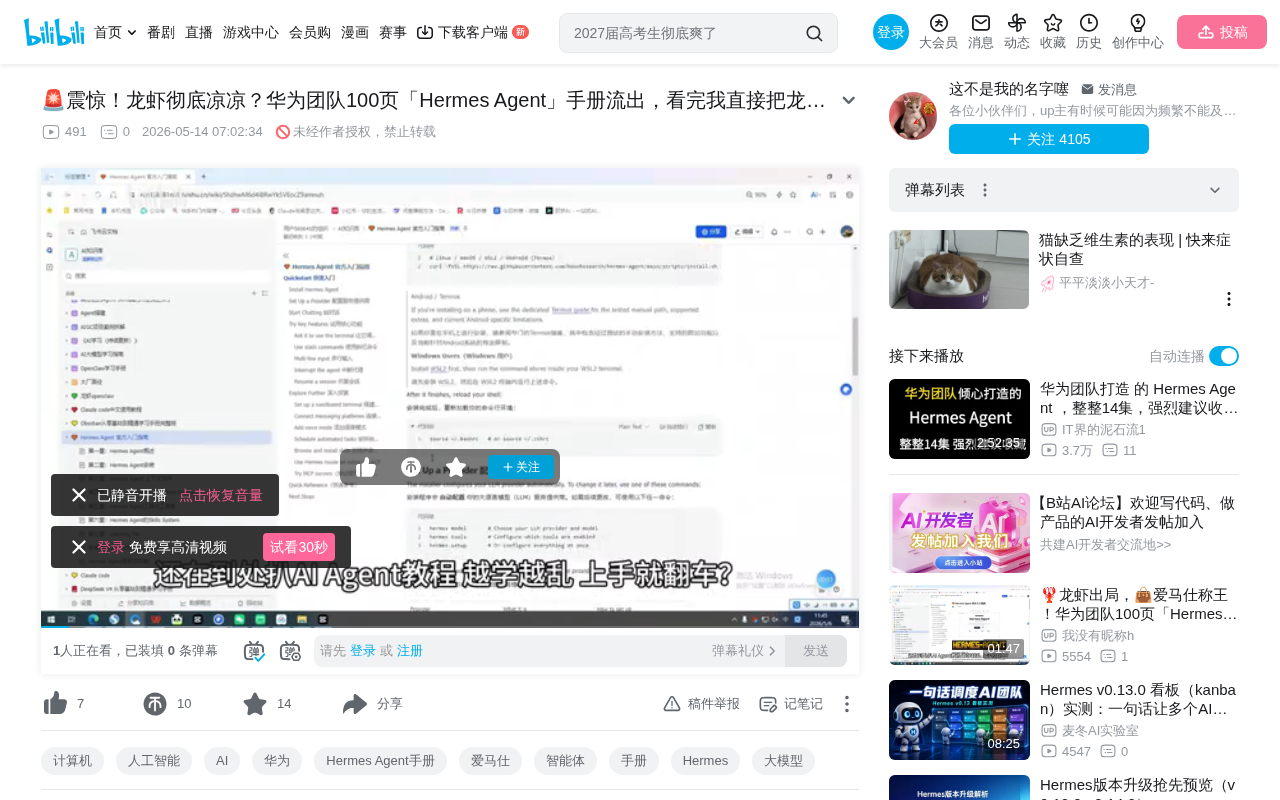
Hermes Agent in Practice: Building a Memory-Persistent AI Assistant with a Four-Layer Memory System
Deep dive into Hermes Agent's four-layer memory system architecture, covering Harness Engineering principles, Lark integration, persistent memory configuration, and autonomous Skill evolution for building AI assistants that never forget.
Read more →
 Deep Dives
·3 min
Hermes Agent Deep Dive: Five-Layer Memory Architecture and Self-Evolution Mechanism Fully Explained
A deep dive into Huawei's open-source Hermes Agent framework: five-layer memory architecture, self-evolution loop, multi-agent collaboration, and comparison with Open Manus.
Read more →
 Expert Opinions
·4 min
Interview with a Core Developer of Microsoft's Agent Framework: A Complete Analysis of Architecture Design and Evolution
In-depth interview with Microsoft Agent Framework core developer Roger Barreto on the evolution from Semantic Kernel, middleware architecture design, enterprise stability strategies, and AI development best practices.
Read more →
 Deep Dives
·3 min
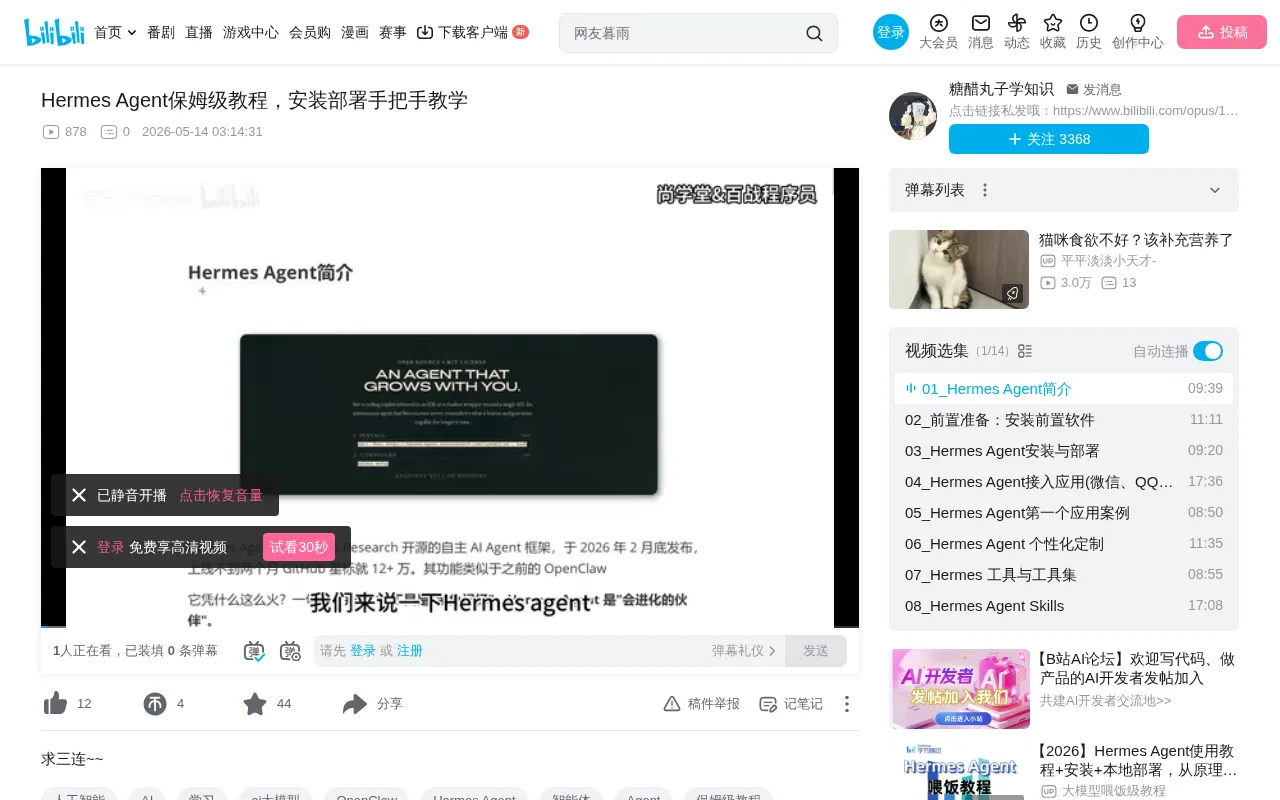
Deep Dive into Hermes Agent: A Self-Evolving AI Framework That Uses Fewer Tokens Than OpenManus
Deep analysis of Hermes Agent: lower Token usage than OpenManus, persistent long-term memory, and a self-learning loop. See how this 120K-Star GitHub project redefines AI Agents.
Read more →
 Product Reviews
·3 min
Multi-Agent Orchestration Framework: A Super AI Development Team of 98 Expert Agents
Deep dive into a trending GitHub multi-agent framework with 98 expert agents, swarm collaboration, HNSW vector memory, autonomous learning, and Claude Code plugin support for full-lifecycle development.
Read more →
 Deep Dives
·3 min
98 Expert Agents Working in Concert: A Deep Dive into an Open-Source Multi-Agent Orchestration Framework
Deep dive into a trending open-source multi-agent framework with 98 expert agents, swarm orchestration, HNSW vector memory, autonomous learning, and Agent Federation for distributed collaboration.
Read more →
 Deep Dives
·4 min
Hugging Face Transformers: Deep Dive into the 160K-Star Open Source AI Framework
Deep dive into Hugging Face Transformers: the 160K-Star open-source framework covering Pipeline API, Auto Classes, multi-modal models, and the full HF ecosystem for AI inference and training.
Read more →
 Product Reviews
·3 min
MiroFlow Open-Source AI Workflow Framework Review: The Strengths and Concerns Behind Top Rankings Across Multiple Benchmarks
In-depth review of MiroFlow open-source AI workflow framework: technical architecture behind 5+ benchmark Top-1 rankings, multi-model support, Web UI, and comparison with LangChain and Dify.
Read more →
 Tech Frontiers
·2 min
DeepAgents: LangChain's Deep Agent Development Framework Built on LangGraph
DeepAgents is LangChain's open-source Agent framework built on LangGraph, supporting multi-step reasoning, state management, and multi-Agent collaboration for production-grade AI development.
Read more →
 Deep Dives
·3 min
LangGraph Deep Dive: An Open-Source Framework for Building Resilient AI Agents
Deep dive into LangGraph's core architecture, StateGraph design, multi-Agent collaboration, and deployment. Learn how this 31K+ Star project helps build reliable AI Agents.
Read more →
 Product Reviews
·4 min
OpenClaw4J: Deep Dive into a Java 21 + Spring AI Agent Framework
Deep dive into OpenClaw4J, an intelligent Agent framework built on Java 21 virtual threads and Spring AI, supporting tool calling, memory management, and multi-Agent collaboration for enterprise Java developers.
Read more →
 Product Reviews
·3 min
Skill-Agent: A Production-Grade AI Agent Framework Built on FastAPI with 100+ LLM Support
Deep dive into Skill-Agent, an open-source FastAPI framework integrating 100+ LLM providers, MCP tool protocol, multi-agent collaboration, RAG knowledge base, and sandbox execution for enterprise AI Agent development.
Read more →
 Product Reviews
·2 min
A Comprehensive Analysis of the Sentra-Agent Framework: Building Production-Grade Conversational AI Agents with TypeScript
Deep analysis of Sentra-Agent, a modular TypeScript framework for building production-grade conversational AI Agents, covering architecture, design philosophy, and comparison with LangChain.js.
Read more →
 Tutorials
·2 min
OpenClaw Orange Book: An In-Depth Guide to the Open-Source AI Agent Framework
In-depth look at the OpenClaw Orange Book open-source project covering AI Agent framework components, tech ecosystem, and practical development methodology.
Read more →
 Product Reviews
·2 min
Lingque AI Agent Framework: A Self-Controlled Solution for Private Deployment
Lingque is a Python-based open-source AI Agent framework supporting fully private deployment with data sovereignty. This article analyzes its technical features, use cases, and advantages over LangChain.
Read more →
 Tutorials
·3 min
Hermes Agent Chinese Guide: 16 Volumes, 300K Words from Beginner to Multi-Agent Orchestration
Deep dive into hermes-agent-guide: a 16-volume, 300K-word Chinese manual covering installation, memory systems, skill ecosystems, multi-Agent orchestration, and enterprise deployment.
Read more →
 Product Reviews
·3 min
Micro-Agent: Fudan University's Open-Source Lightweight AI Agent Framework Built for Vertical Domains
Micro-Agent is a lightweight AI Agent framework open-sourced by Fudan University, focused on vertical domain applications. It offers streamlined architecture, low learning costs, and high customization flexibility compared to heavyweight frameworks like LangChain.
Read more →