#Agent Tuning
790 related articles

·4 min
LangChain Guardrails Explained: Building Safe and Controllable AI Agents
A detailed guide to LangChain Guardrails covering layered ecosystem architecture, middleware implementation, deterministic and model-driven protection for building production-grade secure AI Agents.
Read more →

·3 min
Deep Dive into Microsoft's AI Security Tools: Does Performance Really Surpass the Competition?
Microsoft launches enterprise AI security tools claiming superior performance. This deep analysis examines core capabilities, ecosystem advantages, and risks to guide enterprise security decisions.
Read more →

·3 min
Learning AI Large Language Models: A Complete Roadmap from Beginner to Practitioner
A systematic breakdown of the AI LLM learning roadmap covering prompt engineering, AI Agent development, RAG knowledge bases, model fine-tuning, and hands-on projects for beginners.
Read more →

·5 min
Learn AI Agent Development from Scratch: A 3-Step Practical Path to Get Started Quickly
How to learn AI Agent development from scratch? This article outlines a clear 3-step path: Python crash course, LLM theory & practice, and LangChain framework project implementation.
Read more →

·3 min
Backend Developer Transition to AI/LLM: 4 Core Skills and a Practical Learning Roadmap
Complete guide for backend developers transitioning to AI/LLM engineering. Covers the 4 core skills—Python, RAG, Fine-tuning, and Agents—with a phased learning roadmap and practical project advice.
Read more →

·3 min
Kimi K3 Deep Dive: How a 3 Trillion Parameter Open-Weight Model Reaches the Frontier
Deep dive into Kimi K3: the largest open-weight model at 3 trillion parameters, surpassing Opus-level models in Agentic coding with 896-expert MoE architecture, 1M token context, at Sonnet pricing.
Read more →
·3 min
Deep Dive into Inkling: The First Frontier Open-Source Multimodal LLM from the West
Thinking Machines releases Inkling, an open-source multimodal LLM with near-trillion MoE parameters, 1M token context, Apache 2.0 license. Deep dive into architecture, benchmarks, and pricing.
Read more →

·2 min
The Truth Behind Codex 'Build a Website in 5 Minutes': AI Isn't Creating Sites—It's Helping You Copy Them
Exposing the truth behind viral Codex 5-minute website videos: creators aren't building original sites with AI—they're copying shared prompts or scraping others' work. Learn AI coding tools' real limits.
Read more →

·3 min
The Truth Behind Codex 'Build a Website in 5 Minutes': AI Isn't Creating Sites — It's Helping You Copy Them
Exposing the truth behind viral Codex 5-minute website videos: creators aren't building original sites with AI — they're copying shared prompts or scraping others' work.
Read more →

·3 min
A Beginner's Guide to AI Agents: Two Learning Paths for Developers and Practitioners
How to learn AI Agents from scratch? This guide covers two clear paths: developers go from Python to LLMs to open-source framework source code; practitioners use Claude Code or similar tools to get results fast.
Read more →

·3 min
Three Essential Hard Skills Traditional Product Managers Need to Transition into AI PM
How can traditional product managers transition to AI PM? This article analyzes the essential differences and details three must-have skills: AI product cognition, advanced Prompt engineering, and large model technical logic.
Read more →
·3 min
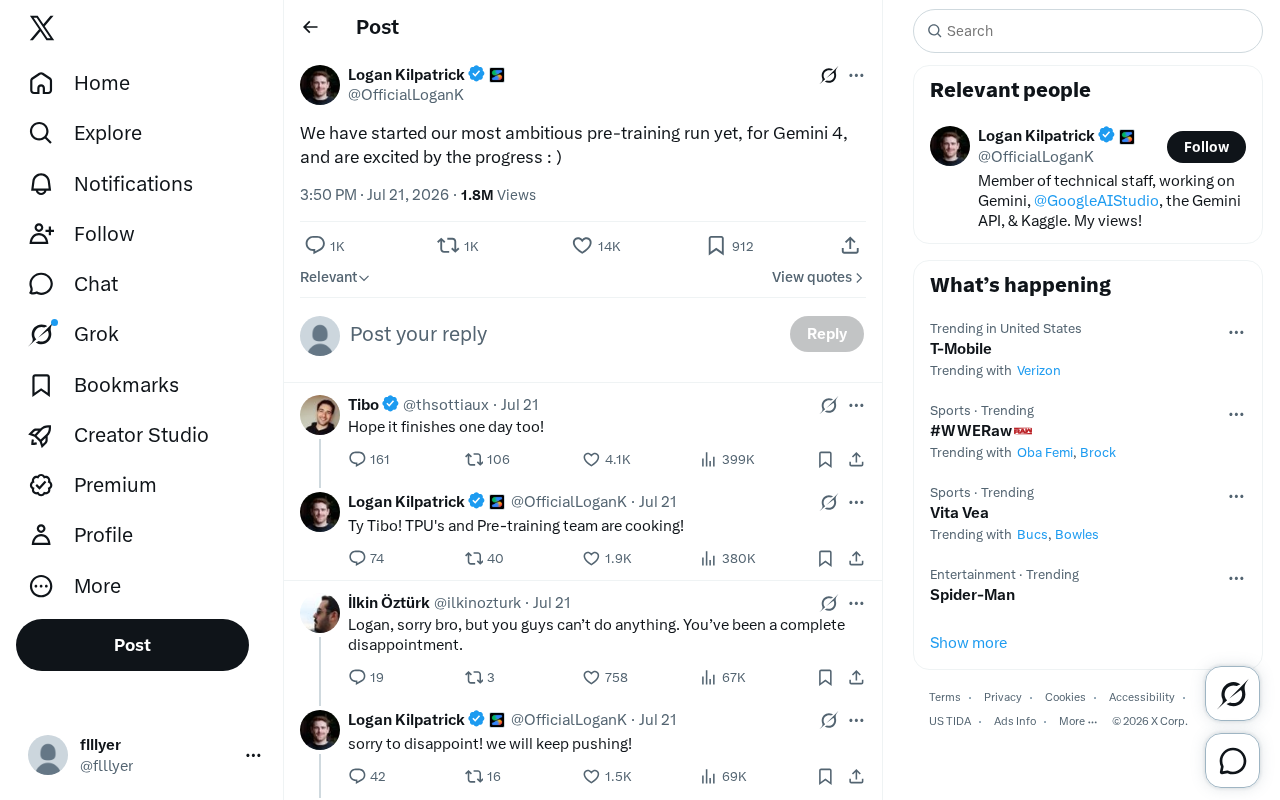
Google Launches Gemini 4 Pre-training: Its Most Ambitious AI Model Training Yet
Google DeepMind announces Gemini 4 pre-training has begun, calling it their most ambitious training yet. A deep dive into its technical direction, compute scale, multimodal breakthroughs, and competitive impact.
Read more →

·2 min
Will AI End Human History? The Deep Anxiety Behind Technological Optimism
A viral Reddit post asks: will AI end human history? This article analyzes the blind spots of tech accelerationism, the governance mismatch, and how to rationally navigate AI transformation.
Read more →

·3 min
Grok 4.5 Feels Weaker in Cursor? A Deep Dive into AI Coding Tool Integration Differences
Users report Grok 4.5 underperforms in Cursor vs. the official terminal. We analyze how system prompts, context management, parameters, and tool calling create AI coding tool integration gaps.
Read more →

·4 min
A Beginner's Guide to AI Agents: Core Principles and Learning Paths Explained
Learn AI Agent core principles from scratch: understand how Agents differ from LLMs, their execution mechanisms, why rule design matters, and find the right learning path for your goals.
Read more →

·3 min
From Frontend to Agent Development: A Complete 6-Week Systematic Learning Path
A 6-week systematic learning path for frontend engineers transitioning to AI Agent development, covering core architecture, ReAct, multi-agent collaboration, RAG integration, and deployment.
Read more →

·4 min
Choosing the Wrong Agent Ruins Everything: Why the Same Model Can Perform Like Two Completely Different AIs
The same LLM API performs drastically differently under different Agent frameworks. Through a real database crash case, this article analyzes why choosing the right Agent matters more than switching models.
Read more →
·4 min
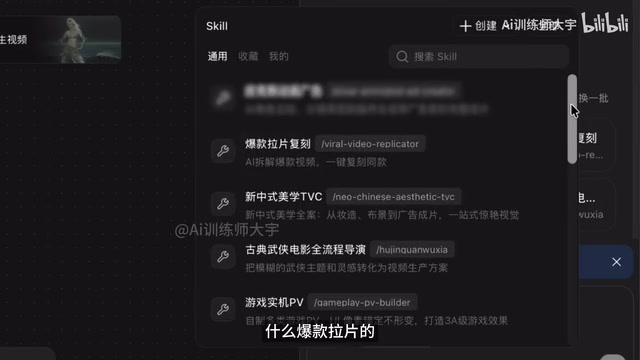
LibTV Hands-On: A Full Breakdown of How an AI Agent Produces an Animated Short in One Day
Hands-on test of LibTV's AI Agent: from script and storyboarding to video compositing, one person completes an animated short in a day. Full breakdown of the Skill library, node workflow, and Story Board features.
Read more →
·4 min
A Beginner's Guide to AI Agents: Core Principles and Learning Paths Explained
A beginner's guide to AI Agents: understand core principles, how Agents differ from LLMs, their execution mechanisms, and get tailored learning path recommendations.
Read more →

·3 min
Agent Skills Explained: Solving the MCP Context Bloat Problem
Deep dive into Anthropic's Agent Skills mechanism, explaining how Progressive Disclosure solves MCP context bloat and tool calling accuracy issues in AI agents.
Read more →