#ChatGPT
2096 related articles

·2 min
ChatGPT Work Officially Launches: How GPT-5.6 Reshapes the Way You Work
OpenAI launches ChatGPT Work and the GPT-5.6 model family—Sol, Terra, and Luna. From financial analysis to local file processing and interactive site generation, AI moves from answering questions to getting work done.
Read more →
·4 min
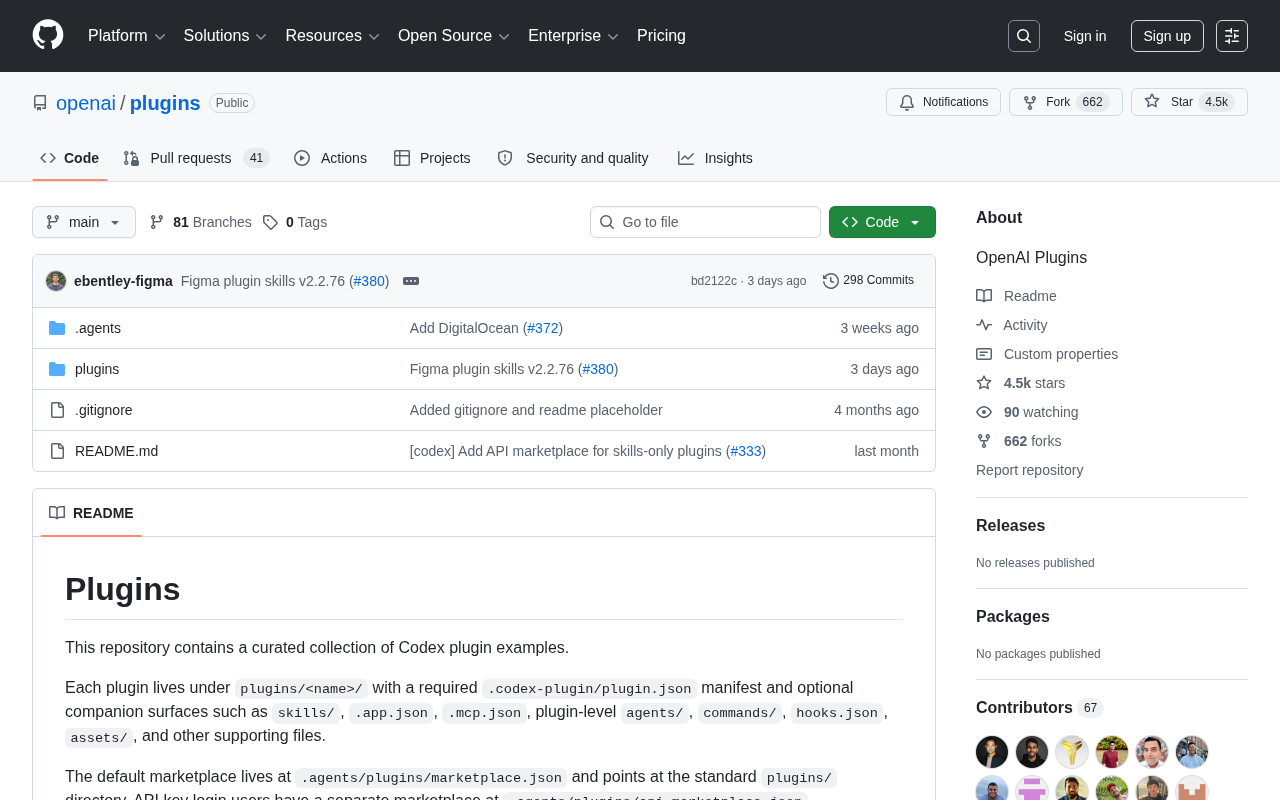
OpenAI Plugins Deep Dive: The Plugin System That Connects ChatGPT to the Real World
A deep dive into OpenAI Plugins: how the system works, its technical architecture, and why it matters. Learn how ChatGPT uses plugins to access real-time data, take real-world actions, and lay the groundwork for AI Agents and Tool Use.
Read more →

·4 min
New York Times Accuses OpenAI of Concealing Evidence, Escalating ChatGPT Copyright Lawsuit
The New York Times and other publishers accuse OpenAI of withholding key tools and datasets in the ChatGPT copyright lawsuit, filing a sanctions motion. A deep analysis of the Discovery dispute, AI training data copyright dilemmas, and implications for AI industry compliance.
Read more →

·1 min
GPT-5.6 Released: ChatGPT Merges with Codex, Evolving into an AI Workbench
OpenAI releases GPT-5.6, officially merging ChatGPT with the coding tool Codex to build a complete AI workbench. New Soul, Terra, and Nuna tiers cover coding, task automation, and web deployment.
Read more →

·3 min
ChatGPT Plus/Pro Plans: A Complete Comparison of Features and Payment Methods
A detailed breakdown of ChatGPT Plus ($20) vs Pro ($100/$200) plan features, comparing credit card, gift card, and Google Play top-up methods, plus an honest look at third-party top-up risks.
Read more →

·3 min
GPT-5.6 Launches with Three Models: Sol/Terra/Luna and ChatGPT Work Reshape How We Work
OpenAI launches the GPT-5.6 family—Sol, Terra, and Luna—alongside ChatGPT Work, a new desktop app, and Sites. AI evolves from a chat tool into a true productivity partner, completing financial analysis, presentations, and cross-platform collaboration in one operation.
Read more →

·5 min
GPT-5.6 Launches: Comprehensive Upgrades to ChatGPT Work, Sites, and Desktop Client
OpenAI releases the GPT-5.6 model family, launching enterprise-focused ChatGPT Work, one-click ChatGPT Sites, and a major desktop client upgrade, with coding now ahead of rivals. Meta, Google, and Kimi follow intensively.
Read more →

·5 min
ChatGPT Work Officially Launches: How GPT-5.6 Is Reshaping the Way You Work
OpenAI launches the GPT-5.6 model family (Sol/Terra/Luna) and ChatGPT Work, enabling automated financial analysis, local file operations, Codex coding, and cross-app workflows—AI officially becomes a real work partner.
Read more →
OpenAI Targets the Home Market: How Ch…
·5 min
OpenAI Targets the Home Market: How ChatGPT Aims to Become the Whole Family's AI Assistant
OpenAI is recruiting a family product manager, targeting older adults and caregiver scenarios. An in-depth analysis of ChatGPT's shift from productivity tool to home digital assistant.
Read more →

·3 min
The Truth About Third-Party ChatGPT Subscription Services: Three Major Risks and a Safe Subscription Guide
Are third-party ChatGPT top-up services safe? We expose how ¥158 recharge scams work, the real risks of account theft and bans, and how to subscribe safely.
Read more →

·3 min
GPT-5.6 Released: Codex Takes Over ChatGPT, Ushering in the Era of AI Agents
OpenAI releases the GPT-5.6 series, deeply merging ChatGPT with Codex as the Agent engine takes over the underlying architecture. A deep dive into its impact on AI coding toolchains and Agent applications.
Read more →

·2 min
GPT-5.6 Opens to All: Three-Tier Model Lineup + ChatGPT Work Agent Reimagines the Workflow
OpenAI launches GPT-5.6 with three tiers — Sol, Terra, Luna. Terra cuts price in half; Luna inputs at $1/M tokens. ChatGPT Work agent automates tasks end-to-end; Codex merges into a unified platform.
Read more →

·3 min
GPT-5.6 Launches: Three New Models and Codex Officially Merges into ChatGPT
OpenAI launches GPT-5.6 with three models — Soul, Tola, and Luna — delivering benchmark scores 13 points ahead of Anthropic at 1/16th the cost, while merging Codex into ChatGPT to shift from ChatBot to Agent.
Read more →

·2 min
When ChatGPT Says 'I': The Promise and Peril of AI Anthropomorphization
ChatGPT increasingly uses humanlike phrases like "I usually do this." We explore the business motives, ethical risks, and lack of user control behind AI anthropomorphization.
Read more →

·2 min
OpenAI Accused of Hiding Evidence: 20 Million ChatGPT Conversations Spark Copyright Litigation Storm
In a federal copyright lawsuit, 20M ChatGPT conversations were produced for discovery. Plaintiffs now allege OpenAI destroyed data and applied 19 billion redactions to obstruct proceedings.
Read more →

·6 min
GPT-5.6 Hands-On Deep Dive: ChatGPT and Codex Merge, Full Analysis of the Sol Model
GPT-5.6 is officially released, merging ChatGPT and Codex into one app and launching the three-tier Sol, Terra, and Luna models. A detailed breakdown of 16 hands-on tests plus Worker mode and Codex dev upgrades.
Read more →

·6 min
GPT-5.6 Released: Codex Officially Integrated into ChatGPT, Ushering in a New Era of AI Programming
OpenAI releases GPT-5.6 and integrates Codex directly into ChatGPT, letting developers invoke code generation and debugging within conversations. A deep dive into the product logic and ecosystem impact.
Read more →

·8 min
OpenAI Merges Codex with ChatGPT: A Deep Dive into the Unified Desktop App Overhaul
OpenAI officially merges its coding agent Codex with ChatGPT into a unified desktop app, adding new coding workflows, a Chrome extension, a built-in browser, and GPT-5.6-powered Computer Use capabilities.
Read more →

·6 min
Codex China Direct Access Tutorial: Guide to Using DeepSeek as a ChatGPT Replacement
Use Codex without a ChatGPT account! This guide explains a China direct access solution for integrating the DeepSeek API via the Codex++ management tool.
Read more →

·6 min
Reverse-Engineering ChatGPT's Source Selection: What Network Traffic Analysis Reveals About AI Citations
By capturing and analyzing ChatGPT's real network traffic during web retrieval, this article reveals the underlying logic of AI source selection—covering the layered mechanisms of retrieval recall and content filtering, domain preference patterns, and practical insights for content creators and SEO professionals.
Read more →