#Chromium browser
185 related articles

·2 min
Google Chrome Officially Lands on ARM64 Linux with Built-in Widevine DRM Support
Google officially releases Chrome for ARM64 Linux with built-in Widevine DRM, enabling HD streaming on Netflix, Disney+ and more for ARM device users.
Read more →

·3 min
MediaCrawler: Deep Dive into an Open-Source Crawler Framework Covering Seven Major Platforms
Deep analysis of MediaCrawler, a popular GitHub open-source project using Playwright browser automation for multi-platform crawling across Xiaohongshu, Douyin, Kuaishou, Bilibili, Weibo, Tieba, and Zhihu.
Read more →

·3 min
Cloudflare Blocks Anti-Scraping Proxies: IP Reputation Is the Real Culprit
Analysis of why FlareSolverr and Byparr fail against Cloudflare. The real issue isn't CAPTCHA solving — it's IP reputation. Learn about VPN pitfalls, static IP risks, and practical solutions.
Read more →
·6 min
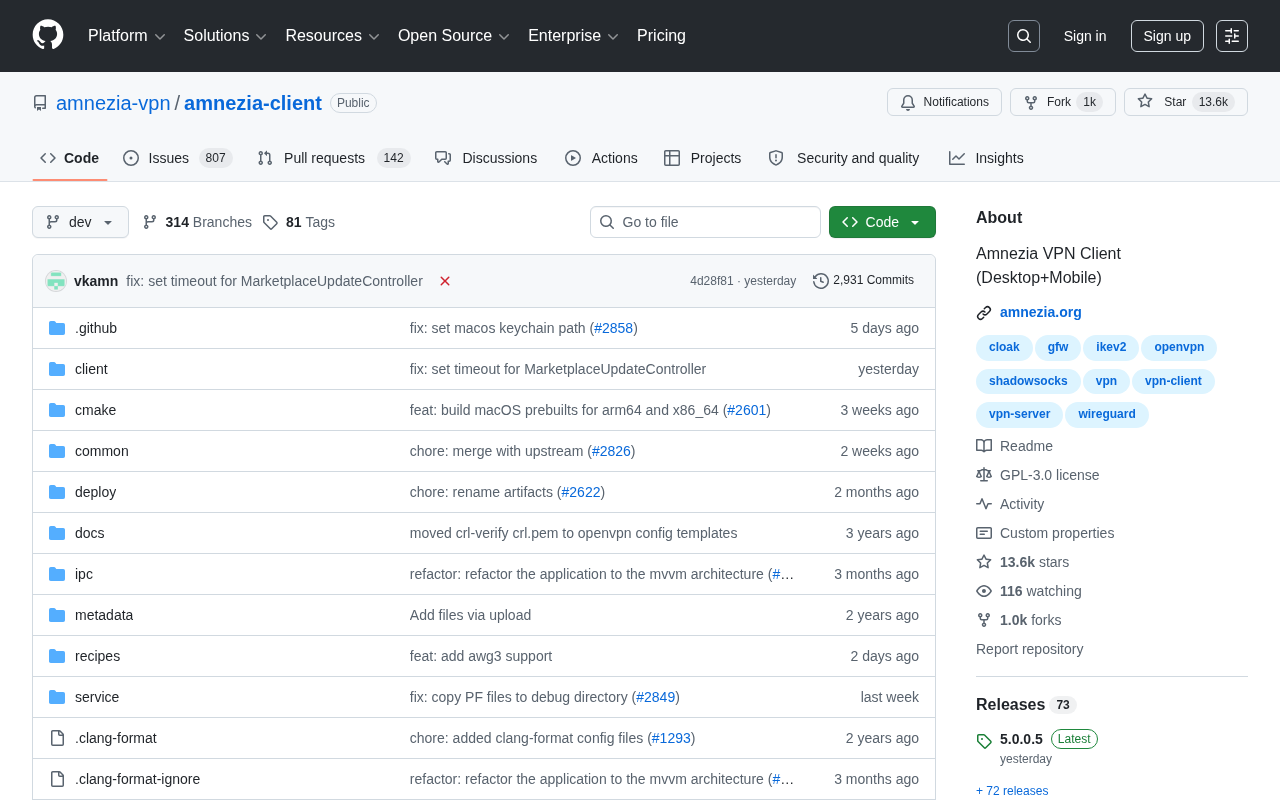
AmneziaVPN Deep Dive: The Open-Source Powerhouse for Self-Hosted, Censorship-Resistant VPN
Deep dive into the AmneziaVPN open-source client: AmneziaWG anti-DPI obfuscation, self-hosted VPS deployment, multi-protocol support, and cross-platform privacy.
Read more →

·3 min
MediaCrawler: Deep Dive into an Open-Source Crawler Framework Covering Seven Major Platforms
Deep dive into the popular GitHub project MediaCrawler — a Playwright-based multi-platform crawler framework supporting data collection from Xiaohongshu, Douyin, Kuaishou, Bilibili, Weibo, Tieba, and Zhihu.
Read more →

·3 min
Automating GitHub Releases: Design and Practice of a Tag-Triggered Release Action
A ten-year open source maintainer shares how to build a universal tag-to-release GitHub Action, covering its opinionated design philosophy, dogfooding validation, and AI-assisted development.
Read more →

·3 min
AI Agent in Action: Building a Local Netlist Analysis Plugin for JLCEDA from Scratch
How a Bilibili creator used AI Agent, MCP, and Playwright to build a JLCEDA local netlist analysis plugin from scratch—covering features, setup, and the full Agent-driven dev process.
Read more →

·2 min
Ego Lite Review: AI Browser Automation That Won't Steal Your Mouse Focus
Ego Lite is a browser built for AI collaboration. Based on Chromium, it uses login state reuse and isolated Spaces so AI Agents can autonomously handle web operations, form filling, and data scraping—solving the human-machine focus conflict. macOS only.
Read more →

·2 min
Ego Lite Review: AI Browser Automation That Won't Steal Your Mouse Focus
Ego Lite is a Chromium-based browser designed for AI collaboration. Through login state reuse and isolated Spaces, AI Agents autonomously handle web tasks, form filling, and data collection—ending the human-machine focus fight. Currently on macOS.
Read more →
Ego-lite: An Open-Source Browser Desig…
·3 min
Ego-lite: An Open-Source Browser Designed for Humans and AI Agents to Work in Parallel
ego-lite is an open-source AI-native browser by citrolabs that lets humans and AI Agents work in parallel in the same environment. Explore its design and value.
Read more →

·6 min
The Complete Codex Guide: From Beginner to Pro with the All-in-One AI Assistant
OpenAI Codex is more than a coding tool—it's an AI agent that writes code, makes slides, and operates browsers. This guide covers its four versions, permission modes, plugins, automation, and six best practices.
Read more →
Jellium: An Unofficial Jellyfin Deskto…
·2 min
Jellium: An Unofficial Jellyfin Desktop Client Built with Rust
jellium-desktop is an unofficial Jellyfin desktop client built in Rust, offering low resource usage and high performance. It has surpassed 1,200 GitHub Stars.
Read more →

·2 min
Complete uBlock Origin Filter Rules to Block Civitai Ad Banners
Custom uBlock Origin filter rules to precisely block Civitai's 'Support Civitai creators' ad banners and fix layout issues. Full rule code and setup steps for .com and .red domains.
Read more →

·4 min
Cursor Designer: Why Software Must Retain Its Human Touch in the Age of AI Acceleration
Cursor designer Rio: AI compresses build loops dramatically, but risks flooding the world with mediocrity. From Glass UI principles to the migration of craft — why human agency, taste, and responsibility remain software's true core.
Read more →

·4 min
AI-Powered Automated Testing: Using Pytest + MCP to Tackle Non-Determinism
Deep dive into AI-era automated testing: using Pytest + Playwright + MCP for stable automation, constraining code conventions with Skills, avoiding non-determinism and high token costs. Includes real debugging war stories.
Read more →
wigolo: A Zero-Cost MCP Tool That Give…
·3 min
wigolo: A Zero-Cost MCP Tool That Gives AI Coding Assistants Web Access
wigolo is a local-first open-source MCP tool that gives AI coding assistants like Cursor and Claude Code free web search, fetch, crawl, and research capabilities — no API keys, no cloud, $0/query.
Read more →

·2 min
BrowserSkill: A Controlled Channel for AI Agents to Safely Borrow Your Logged-In Browser
Tencent's open-source BrowserSkill (BSK) lets AI agents reuse your real browser login state via a separate window, single-tab borrowing, and human takeover — safely and within clear boundaries.
Read more →

·2 min
Text-Only Models Controlling a Linux Desktop: Inside PawFlow's Dual-Model Architecture
PawFlow decouples vision and reasoning into two models, letting a text-only LLM reliably control a Linux desktop. A deep dive into its dual-model architecture, pre-click guard, and caching strategy.
Read more →

·3 min
Chrome Built-in AI in Action: Six APIs for Building a Smart Blog Editor
Deep dive into Chrome Built-in AI's six core APIs — Summarizer, Prompt API, Translator and more — applied to a real blog editor. Local, private, no server needed.
Read more →
NeuralPGN: A Local-First Chess Opening…
·3 min
NeuralPGN: A Local-First Chess Opening Trainer Powered by the FSRS Spaced Repetition Algorithm
NeuralPGN is an open-source chess opening trainer using the FSRS spaced repetition algorithm, built with Tauri for a local-first, privacy-friendly experience.
Read more →