#DNS setup
40 related articles
·4 min
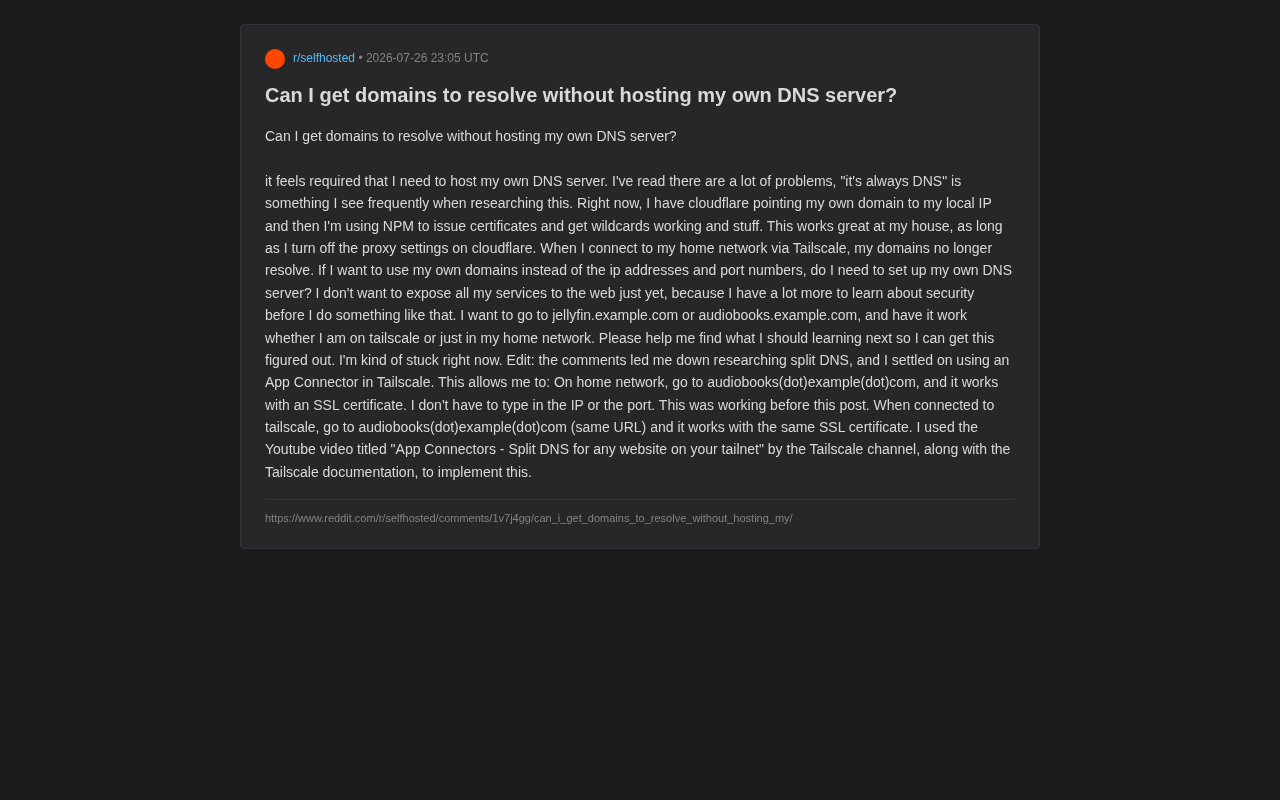
Self-Hosted Service Domain Resolution in Practice: A Deep Dive into Split DNS and Tailscale Solutions
A deep dive into domain resolution challenges for self-hosted home servers, covering Split DNS concepts and how Tailscale App Connector enables unified domain access across internal and external networks.
Read more →

·3 min
Why IPFS and Filecoin Failed to Gain Traction in the Self-Hosting Community
IPFS and Filecoin promise decentralized storage and censorship resistance, yet the self-hosting community ignores them. This article analyzes why simpler tools like Syncthing and BitTorrent win.
Read more →
·6 min
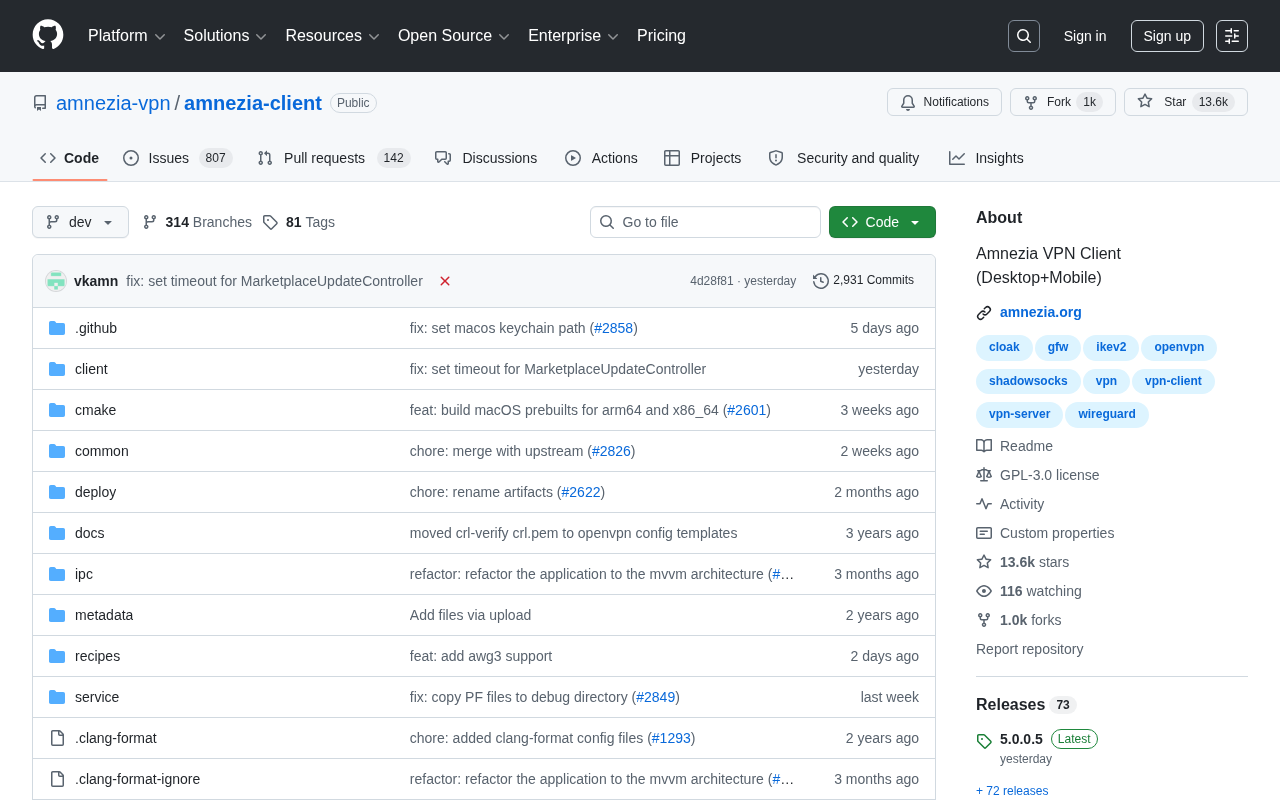
AmneziaVPN Deep Dive: The Open-Source Powerhouse for Self-Hosted, Censorship-Resistant VPN
Deep dive into the AmneziaVPN open-source client: AmneziaWG anti-DPI obfuscation, self-hosted VPS deployment, multi-protocol support, and cross-platform privacy.
Read more →
Build a Free Temporary Email Service: …
·2 min
Build a Free Temporary Email Service: An Open-Source Solution Based on Cloudflare
cloudflare_temp_email is a high-star open-source project that uses Cloudflare Workers, Pages, and Email Routing to build a zero-cost self-hosted temporary email system with IMAP/SMTP and Telegram support.
Read more →

·2 min
Getting Started with LangGraph: Graph Orchestration and State Machines for AI Agents
A comprehensive guide to LangGraph's core concepts: Graph API vs Functional API, three-layer architecture, and workflow visualization methods for building AI Agents.
Read more →

·3 min
14 Days of AI Programming: From Zero to Product with Vibe Coding
A zero-to-product AI coding bootcamp by Guo Ke: 14 live sessions, 6 real projects, covering Cursor, Trae, and Codex. Full walkthrough from setup to deployment.
Read more →
·3 min
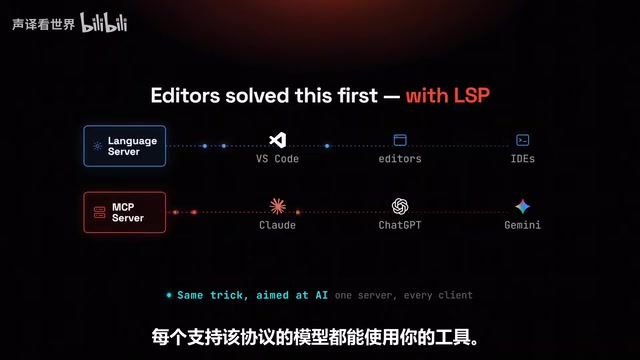
Build an MCP Server in 10 Minutes: Let AI Call Your Code Directly
MCP (Model Context Protocol) is the open standard for AI tool integration. Build your own MCP server with ~20 lines of Python. Learn tools, resources, prompts, and both local and remote deployment.
Read more →

·3 min
UPnP Security Warning: A Real Case of NAS Auto-Exposing SSH Ports to the Public Internet
A real homelab case: a UGREEN NAS used UPnP to automatically expose SSH port 22 to the internet, triggering brute-force attacks. Full breakdown of the incident, UPnP risks, and NAS security tips.
Read more →

·6 min
Home Self-Hosting Server Setup Guide: Building a Private Cloud Ecosystem from Scratch
One 32GB server, 8 hours to build a complete home self-hosting ecosystem. This article details the selection logic behind core services like Jellyfin, Forgejo, Immich, and Ollama, plus infrastructure setup essentials for Nginx Proxy Manager and Podman Compose.
Read more →

·4 min
Next.js Deep Dive: A Full-Stack Framework Selection Guide Behind 140K+ Stars
A deep dive into Next.js: SSR, React Server Components, App Router, and Turbopack. Learn the key differences from plain React, ideal use cases, and how to make the right framework decision.
Read more →

·2 min
Bun: The All-in-One High-Performance JS Toolkit — Runtime, Bundler, and Package Manager
Bun combines a JS runtime, bundler, test runner, and package manager into one executable. Built on JavaScriptCore and Zig, it offers blazing-fast startup, native TypeScript support, and Node.js compatibility.
Read more →

·4 min
Complete Guide to Dify Local Deployment: Build a Private AI Workflow Platform from Scratch
Step-by-step guide to deploying Dify locally: Docker setup, Docker Compose installation, source code configuration, .env file setup, and container startup for Windows, macOS, and Linux.
Read more →

·7 min
Getting Started with Dify: A Complete Guide from Local Deployment to Building Enterprise-Grade AI Applications
A detailed guide to Dify, the open-source LLM app development platform, covering its core features and full local deployment via VMware + Ubuntu + aaPanel + Docker. Supports 100+ models like DeepSeek and ChatGPT to build enterprise AI apps fast.
Read more →

·6 min
Xiaodu Health Screen Review: How an AI Large Model Enhances Companionship and Remote Care for the Elderly
In-depth review of the Xiaodu Health Screen: a 10.1-inch large display with an AI large model, supporting remote care, emergency calling, and smart companionship, designed for the elderly. Final price as low as ~598 yuan with national subsidies.
Read more →

·2 min
AI Coding Assistants Become New Attack Targets: DNS Covert Channels Used to Steal Developer Credentials
Researchers reveal attacks targeting AI coding assistants like Claude Code: malicious setup scripts use DNS covert channels to steal API keys, bypassing static scans.
Read more →

·4 min
Dify Local Deployment Tutorial: Build Your AI Application Development Platform from Scratch
Step-by-step guide to deploying Dify locally using BT Panel, covering VM setup, Ubuntu configuration, and Docker deployment for a private AI dev platform.
Read more →

·3 min
Complete Installation and Configuration Guide for Android Studio Panda 4
Complete guide to installing Android Studio 2025.3.4 Panda 4, covering directory planning, offline SDK setup, Gradle configuration, emulator creation, and network solutions for developers in China.
Read more →

·3 min
Claude Code Setup Guide for China: Environment Variables + Verification Bypass + Connecting Domestic Models
Complete guide for setting up Claude Code in China: configure Path environment variables, bypass network verification via .claude.json, and connect to Alibaba Cloud Bailian free LLMs.
Read more →

·4 min
Claude + Trae IDE with Yakit: Automated Penetration Testing via MCP in Practice
Learn how to use Claude LLM with Trae IDE and MCP protocol to orchestrate Chrome browser and Yakit for automated penetration testing, covering setup, agents, and vulnerability detection.
Read more →

·2 min
AI Coding Deployment Guide: A Complete Hands-On Workflow from Local Demo to Live Website
Most AI Coding tutorials stop at local demos. This guide walks through 8 key steps to deploy an AI-powered 3D figurine website from Codex coding to live server deployment.
Read more →