#FastAPI agent
70 related articles

·2 min
Hombre: An Open-Source Visual Dashboard for Honcho AI Memory Server
Hombre is an open-source web GUI for self-hosted Honcho AI memory servers. Features workspace management, semantic search, real-time sync, and RBAC — built with FastAPI and native frontend, MIT licensed, Docker-ready.
Read more →

·5 min
Browser Use: A Deep Dive into the Event-Driven Browser AI Agent Framework
Browser Use is an open-source AI Agent framework that lets LLMs autonomously drive browser operations via natural language. This article breaks down its four-layer architecture, core Agent loop, CDP perception layer, dynamic Tools dispatch, and its Skills, Sandbox, and MCP extension capabilities.
Read more →

·4 min
Landing an Amazon AI/ML Internship Without On-Campus Recruiting: A Complete Preparation Guide
No Amazon on-campus recruiting? This guide details the off-campus path for CS students: DSA practice strategy, ML/LLM skill-building, portfolio creation, resume optimization, and referral tips.
Read more →

·5 min
From Prompts to Harness Engineering: The Evolution of AI Agent Development Paradigms
Why has AI engineering methodology evolved from prompts to context engineering and now Harness engineering? This article examines three paradigms, key bottlenecks, and the Agent = Model + Harness formula.
Read more →
·7 min
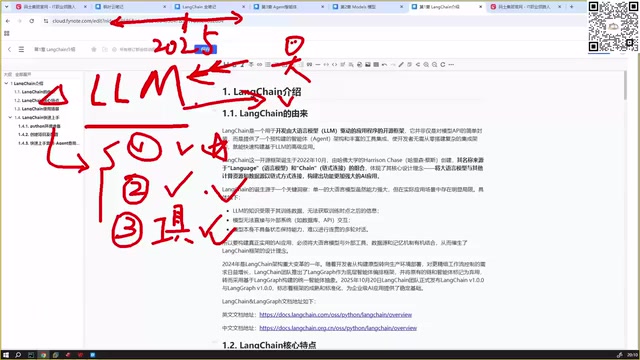
LangChain Hands-On Guide: From LLM Calls to Agent Development
Master LangChain from scratch: the three limitations of LLMs, init_chat_model unified interface config, the Message type system, and the path from LLM calls to Agent development.
Read more →
·7 min
LangChain.js + Nuxt.js: An AI Full-Stack Advancement Path for Frontend Engineers
Frontend hiring now treats AI capabilities as a core assessment, covering RAG knowledge bases, AI Agent development, and LangChain.js engineering. Learn how LangChain.js + Nuxt.js helps frontend developers build memory- and retrieval-capable AI full-stack apps.
Read more →

·7 min
Learning Python from Scratch: A Complete Guide to the Three-Stage Learning Path
Want to learn Python from scratch but don't know where to begin? This article breaks down three stages—basic syntax, advanced mastery, and hands-on practice—with real projects in crawling, automation, and data analysis to help you build programming thinking.
Read more →
·2 min
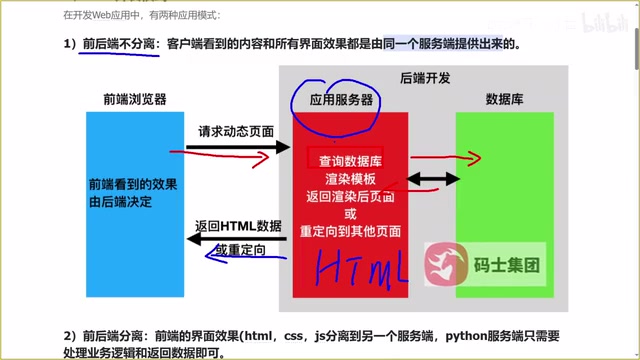
FastAPI Fundamentals: Frontend-Backend Separation and RESTful API Design Explained
A comprehensive introduction to FastAPI's core concepts: frontend-backend separation, RESTful API design, JSON data exchange, HTTP methods, and idempotency explained clearly.
Read more →

·7 min
A Complete Guide to LangGraph's Core Concepts: The Framework of Choice for Enterprise Agent Development
An in-depth analysis of LangGraph's core concepts: short-term and long-term storage mechanisms, its differences from LangChain, the MIT open-source license, and private deployment solutions for enterprise Agent development.
Read more →

·7 min
The Complete Guide to OpenCode: Installing, Configuring, and Using the Terminal AI Coding Assistant
An in-depth guide to installing, configuring, and extending OpenCode, the terminal AI coding assistant. Covers desktop and WSL installation, model config, MCP integration, and custom Agents.
Read more →

·4 min
Frontend to Full-Stack AI: A Complete NestJS + LangChain Roadmap
Pure frontend roles are shrinking fast. Learn how mastering NestJS and LangChain AI agent development can unlock a 20–30% salary boost on your full-stack AI transition path.
Read more →

·3 min
Harness Engineering in Practice: A Guide to Enterprise-Grade Multi-Agent System Architecture
A deep dive into Harness Engineering architecture: building an AI procurement assistant on ERP systems, covering multi-agent orchestration, MCP protocol, ASGI deployment, and sandbox isolation.
Read more →

·2 min
Getting Started with LLMs: A Complete Roadmap from Zero to Practice
How to learn LLMs from scratch? This guide covers personalized learning paths for 3 types of learners, hardware tips (16GB RAM is enough), Python prep, and cloud GPU options.
Read more →

·2 min
Why Banks and Hospitals Must Use Local AI: A Complete Guide to Private Large Model Deployment
Why do banks and hospitals build Local AI instead of using cloud services? This guide covers the full tech stack — Ollama, RAG, vector databases — and real-world enterprise deployment use cases.
Read more →

·3 min
Programmers Pivoting to AI: Opportunities in Application Development and Pitfalls to Avoid
How can ordinary programmers break into AI? This guide breaks down the gap between algorithm engineers and AI app developers, covering Agent development, model fine-tuning, salary trends, and the three hidden risks behind the current opportunity window.
Read more →

·3 min
Cursor AI in Action: Building a RAG-Powered AI Customer Service WeChat Mini Program Store from Scratch
Learn how to build a full-stack AI e-commerce system with RAG-powered customer service using Cursor AI, LangChain, FastAPI, Vue3, and WeChat Mini Program.
Read more →

·3 min
LangGraph Beginner's Guide: Core Advantages, Deployment Options, and Complete Learning Path
A comprehensive guide to LangGraph's core advantages, storage mechanisms, differences from LangChain, and private deployment options for building production-ready AI agents.
Read more →

·3 min
Vibe Coding in Practice: A Complete AI Programming Guide for Non-Developers
A complete guide to Vibe Coding's three stages, Cursor tool selection, and hands-on workflow—helping non-programmers and professionals master AI programming for multiplied productivity.
Read more →

·4 min
Three Modes of AI Development: A Complete Guide from Chat to Agent to IDE
A systematic guide to three AI development modes: chat-based, Agent, and AI IDE. Covers model selection, cost comparison, and use cases for beginners.
Read more →

·2 min
GitHub Copilot SDK Deep Dive: Core Features and Practical Guide
Deep dive into GitHub Copilot SDK: Agent Loop, Hooks lifecycle control, Custom Agents orchestration, Skills modules, and local model integration for AI app development.
Read more →