#GPL compliance
68 related articles

·2 min
Rediscovering Tcl/Tk: The Hidden Gem for Lightweight Cross-Platform Tool Development
Explore Tcl/Tk's unique value in cross-platform tool development: ultra-lightweight footprint, event-driven architecture, seamless CLI-GUI unification, and advantages over bloated modern frameworks.
Read more →

·2 min
Yap: A 4MB Open-Source Voice Input Tool That Runs Entirely Locally with Zero Privacy Risk
Yap is a 4MB open-source Mac voice input tool that runs entirely locally using native macOS speech APIs. No internet needed, built with 3000 lines of Swift, MIT licensed and free.
Read more →

·2 min
Yap: A 4MB Open-Source Voice Input Tool That Runs Entirely Locally with Zero Privacy Risk
Yap is a 4MB open-source Mac voice input tool that runs entirely locally using native macOS speech APIs. Zero cloud dependency, MIT licensed, built with 3,000 lines of Swift code.
Read more →
OpenJDK's Interim Policy on Generative…
·2 min
OpenJDK's Interim Policy on Generative AI: The Compliance Boundaries for AI Code Contributions
In-depth analysis of OpenJDK's interim policy on generative AI, examining copyright ownership of AI-generated code, license compatibility, and contributor agreement implications for open-source projects.
Read more →

·2 min
GCC Officially Releases AI Policy: How the Open-Source Compiler Project Regulates AI-Assisted Development
GCC Steering Committee releases official AI usage policy, defining contributor responsibility, transparency requirements, and core principles for AI-assisted development in open source.
Read more →

·2 min
SteVe: A 13-Year Open-Source Charging Station Management System Earns OCA Certification
SteVe is an open-source OCPP-based charging station management system that grew from a 2013 PhD project into an OCA-certified charging platform core, offering self-hosted EV charging management.
Read more →
·6 min
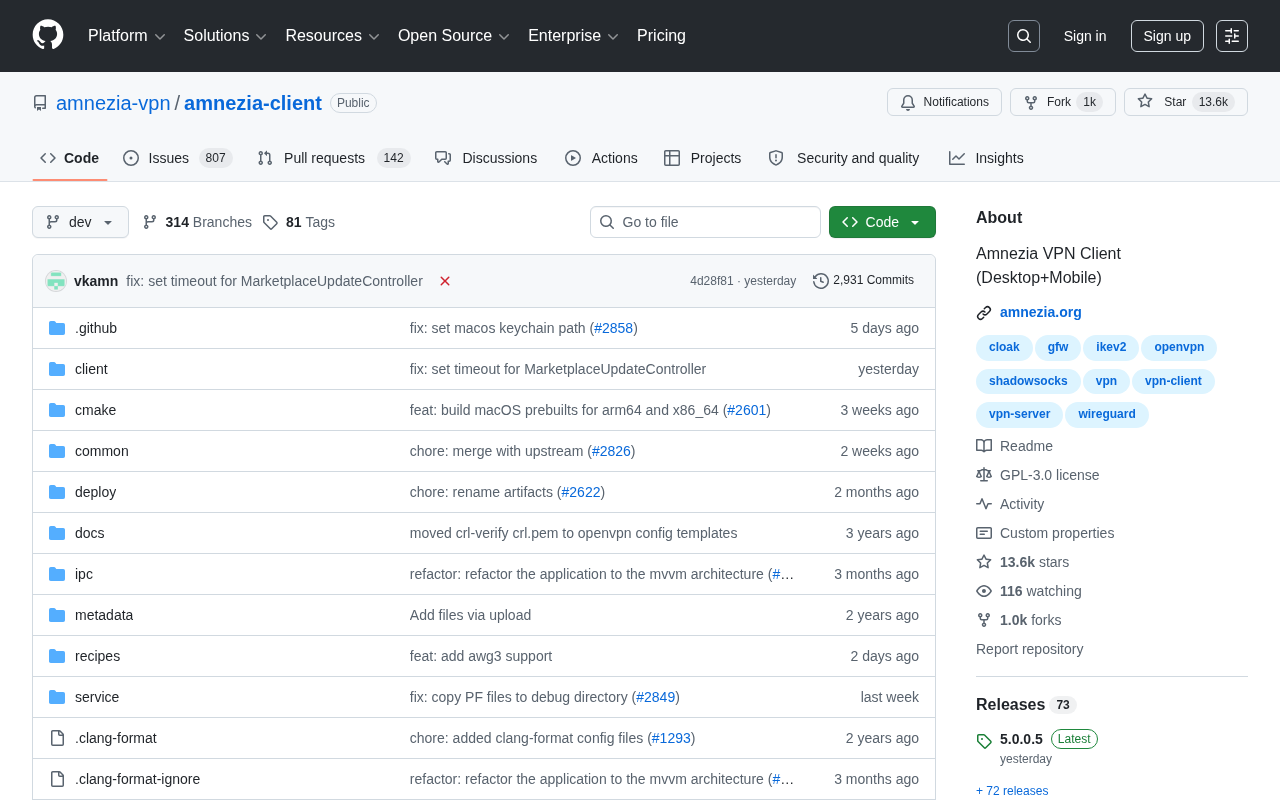
AmneziaVPN Deep Dive: The Open-Source Powerhouse for Self-Hosted, Censorship-Resistant VPN
Deep dive into the AmneziaVPN open-source client: AmneziaWG anti-DPI obfuscation, self-hosted VPS deployment, multi-protocol support, and cross-platform privacy.
Read more →

·3 min
Copilot Now Charges at API Prices — What Are You Actually Paying For?
With GitHub Copilot now billing at API rates, model costs match raw APIs. This article analyzes Copilot's real value in workflow integration, enterprise governance, and harness engineering.
Read more →

·3 min
Laguna S 2.1: The Open-Source Coding Model That's 14x Smaller Yet Stronger
Poolside releases Laguna S 2.1, an open-source agentic coding model: 118B total params with only 8B active, scoring 40.4% on DeepSWE — ~4.5x DeepSeek V4 Pro Max. Supports 1M-token context, deployable on a single workstation.
Read more →

·3 min
Getting Started with Jenkins: The Core Hub of CI/CD Automation Explained
A beginner's guide to Jenkins: its role as the CI/CD and DevOps hub, JDK requirements, and the four plugin categories (source control, build, security scanning, deployment) that power automation pipelines.
Read more →

·2 min
YOLO-Distill: A YOLOv9 Knowledge Distillation Toolkit Under MIT License for Free Commercial Use
YOLO-Distill is an open-source YOLOv9 knowledge distillation toolkit under MIT license, supporting CWD and MGD feature distillation for lightweight edge deployment.
Read more →
OpenClawMachines: An Open-Source Game …
·2 min
OpenClawMachines: An Open-Source Game Engine's Journey Toward Enterprise Applications
OpenClawMachines explores extending the classic open-source game engine OpenClaw into enterprise applications, offering insights on tech reuse and open-source commercialization.
Read more →
MailFlow Open Source Email Client: A D…
·2 min
MailFlow Open Source Email Client: A Developer's Guide to Contribution and Value
MailFlow is an open source email client project built for developers, prioritizing privacy, self-hosting, and extensibility. Here's why it matters and how to evaluate whether to contribute.
Read more →
Relm: An Open-Source Tool for Integrat…
·3 min
Relm: An Open-Source Tool for Integrating Local LLMs as Native R Objects
Relm wraps local LLMs as native R objects, enabling local inference, data privacy, and interpretability analysis. A deep dive for R-based data scientists.
Read more →

·3 min
Why AI Involvement Disclosures Need More Precise Standards: A New Challenge in Open Source Community Governance
General AI involvement disclosures in open source communities are failing. This article analyzes three improvement suggestions from a Reddit user: separating posts from projects, quantifying AI usage, and enforcing deletion of perfunctory replies.
Read more →

·4 min
Legal Risks of Unfilled Copyright Notices in Open Source Licenses and a Compliance Guide
Copyright notices in many open source LICENSE files are never filled in—how big is the legal risk? A deep dive into the validity of blank copyright lines in Apache-2.0 and other licenses, why compliance tools stay silent, and practical advice.
Read more →

·2 min
Why Are Developers Leaving GitHub? A Deep Dive into Codeberg and Self-Hosting Alternatives
More developers are migrating to Codeberg or self-hosted Git platforms over data sovereignty, AI training disputes, and centralization risks. A deep dive into why they're leaving GitHub and how alternatives compare.
Read more →

·2 min
Frugon: Local LLM Call Analysis That Pinpoints Cost-Reduction Opportunities
Frugon is an MIT-licensed, local LLM cost analysis tool that helps developers identify which API calls can be switched to cheaper models for data-driven cost reduction — no log uploads, full privacy.
Read more →

·3 min
Zhipu GLM-5.2 Fully Released, AI Regulatory Storm Hits Simultaneously
Zhipu's GLM-5.2 is now fully available to Coding Plan users with long-context support and dual reasoning tiers. Meanwhile, Anthropic faces U.S. export controls and OpenAI is under multi-state investigation.
Read more →

·4 min
DeepSeek Coder Deep Dive: How This Open-Source Code LLM Outperforms GPT-4
A deep dive into DeepSeek Coder V1 to V2: MoE architecture, 128K context, 90.2% HumanEval pass rate, and how it became the first open-source model to beat GPT-4 Turbo.
Read more →