#IDE plugin specification
531 related articles

·2 min
Vibe Coding: The Full-Stack AI Development Methodology for the Solo Founder Era
Vibe Coding is reshaping software development — use natural language to direct AI through code, design, testing, and marketing. A guide for solo founders and indie developers.
Read more →

·2 min
GPU Sharing in Kubernetes Production: A Deep Dive into MIG, MPS, and Time-Slicing
A deep dive into MIG, MPS, and Time-Slicing GPU sharing solutions for Kubernetes production. Compare isolation, performance, and use cases to make the right choice.
Read more →

·3 min
Deep Dive into ChatGPT Ultra's Parallel Sub-Agent Architecture: Parameters, Configuration, and Best Practices
A deep dive into ChatGPT Ultra mode's parallel sub-agent architecture, covering concurrency limits, delegation depth, token optimization, and configuration best practices for GPT-5.6.
Read more →

·6 min
A Deep Dive into OpenAI Codex: How AI Engineers Are Reimagining Software Development with Agents
OpenAI Codex is redefining how AI engineers work: from code completion to autonomous Agents, from single-threaded to parallel Value Maxing. A deep dive into the Codex App architecture, open ecosystem, and Manager of Agents practice.
Read more →

·2 min
Getting Started with Claude Code: How AI Coding Assistants Went from Chatting to Actually Getting Things Done
What is Claude Code? This guide covers 5 core differences from ordinary AI chat tools, including context reading, code execution, MCP tool calls, and a Cursor comparison.
Read more →

·3 min
Vibe Coding in Practice: A Comprehensive Review and Selection Guide for 6 AI Coding Tools
In-depth comparison of 6 Vibe Coding tools — Claude Code, Trae, Zhipu, Cursor, and more — covering setup cost, Chinese support, pricing, and code quality.
Read more →

·2 min
MCP vs. Skills: A Clear Breakdown of AI Agent Architecture Layers
MCP and Skills aren't alternatives — they occupy different layers of AI Agent architecture. This article breaks down Function Call, MCP, and Skills to clarify each layer's role.
Read more →

·2 min
Deep Dive into MCP: How Large Language Models Connect to the Outside World
MCP (Model Context Protocol) is the standardized protocol connecting AI models to external tools and data — the 'USB-C port' of the AI era. Learn its origins and value.
Read more →

·3 min
Complete Codex Practical Guide: From Getting Started to Enterprise-Grade AI Programming
Master OpenAI Codex end-to-end: CLI setup, slash commands, AGENTS.md design, MCP protocol, multi-agent coordination, and enterprise plugin development.
Read more →

·6 min
OpenAI Merges ChatGPT and Codex: The Super App for the AI Agent Era Is Here
OpenAI merges ChatGPT and Codex into a super app and releases three new GPT-5.6 models: Sol, Terra, and Luna. A deep dive into four hands-on workflows—Computer Use, Loops, and multi-threading—for the AI agent era.
Read more →

·4 min
Claude Code vs. Codex vs. Cursor: A Deep Comparison of Three AI Coding Tools
Claude Code, Codex, or Cursor? This in-depth comparison covers each tool's positioning, ideal users, and how to combine them for maximum productivity in your AI coding workflow.
Read more →

·3 min
Gemini's Code Highlighting Theme Update Sparks Developer Discussion
Gemini quietly swapped its code syntax highlighting theme, sparking developer discussion. We break down One Dark, Dracula, and how Google's Material Design shapes its coding UI.
Read more →

·3 min
Generate a Mini-Game from a Single Prompt? Testing the Cocos AI Agent Plugin
Deep dive into the Cocos Creator AI Agent Plugin: three-level context compression, tool approval, multi-agent parallelism, and DeepSeek-powered Mario scene building — all in one test.
Read more →
·4 min
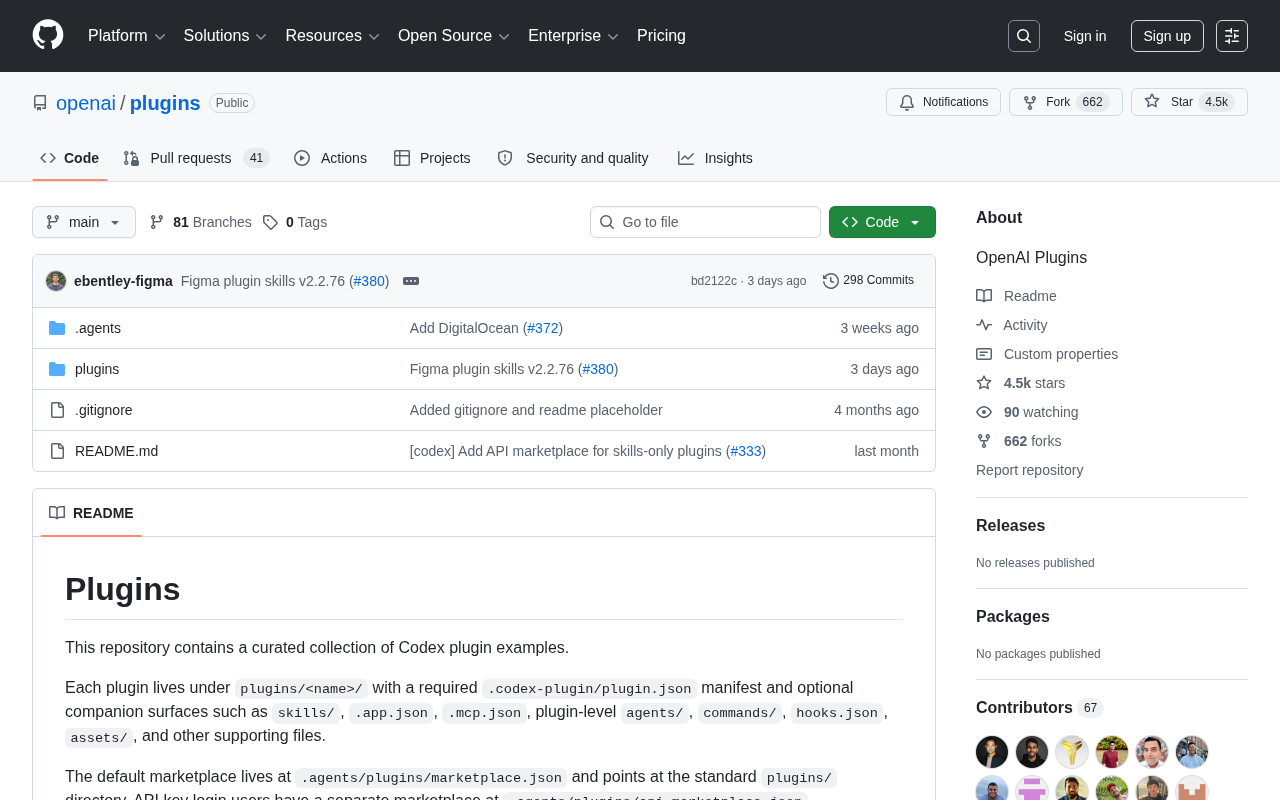
OpenAI Plugins Deep Dive: The Plugin System That Connects ChatGPT to the Real World
A deep dive into OpenAI Plugins: how the system works, its technical architecture, and why it matters. Learn how ChatGPT uses plugins to access real-time data, take real-world actions, and lay the groundwork for AI Agents and Tool Use.
Read more →

·3 min
Empowering AI Agents with Skills to Automate WeChat Official Account Analytics
Learn how Skill-powered AI Agents can automatically log in to WeChat Official Account backends, scrape data, sort it, and generate Excel reports — eliminating manual analytics work.
Read more →

·3 min
Skill Pack-Driven AI Agents: An Efficient Alternative to Complex Workflows
Ditch complex workflow nodes. Use Agent Skill packs to dynamically load AI capabilities, build stable intelligent automation, and understand RAG, LLM limits, and Scale Agent plugin setup.
Read more →

·4 min
RoughCut: A Fully Automated AI Video Editing Tool Built with Codex
RoughCut is a fully automated AI editing tool generated by Codex, supporting talking-head, unboxing, and commentary modes with a semi-automated publishing system.
Read more →

·3 min
The Cypress End-to-End Testing Framework: Core Advantages and Usage Guide
An in-depth look at the core advantages of the Cypress front-end automated testing framework: fast execution, a simple easy-to-use API, and stable reliable results. Covers architecture, Selenium comparison, and component testing.
Read more →

·7 min
Building a Published App with Zero Code in Four Days: A Complete HarmonyOS Development Journey
A tech blogger with zero programming knowledge built a retro DV app in four days using AI tools like Cursor and Codex, and got it published on Huawei App Gallery. A full vibe coding walkthrough.
Read more →

·5 min
How Can Working IT Professionals Learn AI Efficiently? A Practical Learning Path from Zero to Real-World Projects
Limited time but want to learn AI systematically? This guide maps out a practical learning path for working IT pros—from AI application engineering and prompt engineering to RAG and Agents.
Read more →