#LangChain MCP agent
288 related articles

·3 min
LangChain + MCP + Agent: A Complete Guide to Enterprise-Grade AI Agent Development
A deep dive into LangChain, LangGraph, MCP, and enterprise AI Agent development: covering Streamable HTTP updates, DeepSeek R1 Function Calling limits, and Qwen3 agent capabilities.
Read more →

·2 min
LangChain + MCP Agent Development: A Practical Guide to LLM Selection and Common Pitfalls
A deep dive into LLM selection for LangChain and MCP agent development, comparing DeepSeek V3/R1 vs Qwen3 on Function Calling and MCP support with practical tips.
Read more →
 Product Reviews
·3 min
AgentChat Open Source Project: An AI Agent Platform Integrating MCP, RAG, and LangChain
Deep analysis of AgentChat, an open-source AI agent platform integrating MCP protocol, RAG retrieval-augmented generation, LangChain framework, and Function Call for multi-Agent collaboration and custom workflows.
Read more →

·4 min
Liminal: A Shared Team Second Brain Workspace for Humans and AI Agents
Liminal is a shared workspace designed for human-AI Agent collaboration, auto-rendering Markdown and HTML into visual interfaces with real-time sync and team collaboration.
Read more →

·2 min
Webhound: An Agent Engine That Controls AI Research Depth with Dollar Budgets
Webhound is a research engine for AI agents that controls research depth via dollar budgets, delivering cited traceable reports with MCP protocol and API integration.
Read more →

·2 min
Webhound: An Agent Engine That Controls AI Research Depth with Dollar Budgets
Webhound is a research engine for AI agents that controls research depth via dollar budgets, outputting cited traceable reports with MCP protocol and API integration.
Read more →

·3 min
Lamoom: An AI Agent Marketplace Where Apps Run in Your Own Claude Environment
Lamoom is an AI Agent marketplace where Agents run in users' own Claude environment with no data leaving their control. Developers can publish and monetize Agents per-run or via subscription, with $20 free credits for new users.
Read more →

·2 min
Agenta: A Detailed Look at the Open-Source Self-Hosted Claude Cowork Alternative
Agenta is an open-source AI Agent collaboration platform supporting self-hosted models and any Agent framework, positioned as an open-source Claude Cowork alternative.
Read more →

·3 min
Gemini Managed Agents API Update: Environment Hooks and Free Tier Fully Explained
Google Gemini Managed Agents API introduces environment hooks, model selection, free tier support, and default model upgrades—empowering AI Agent developers with stronger execution control and lower barriers to entry.
Read more →
·3 min
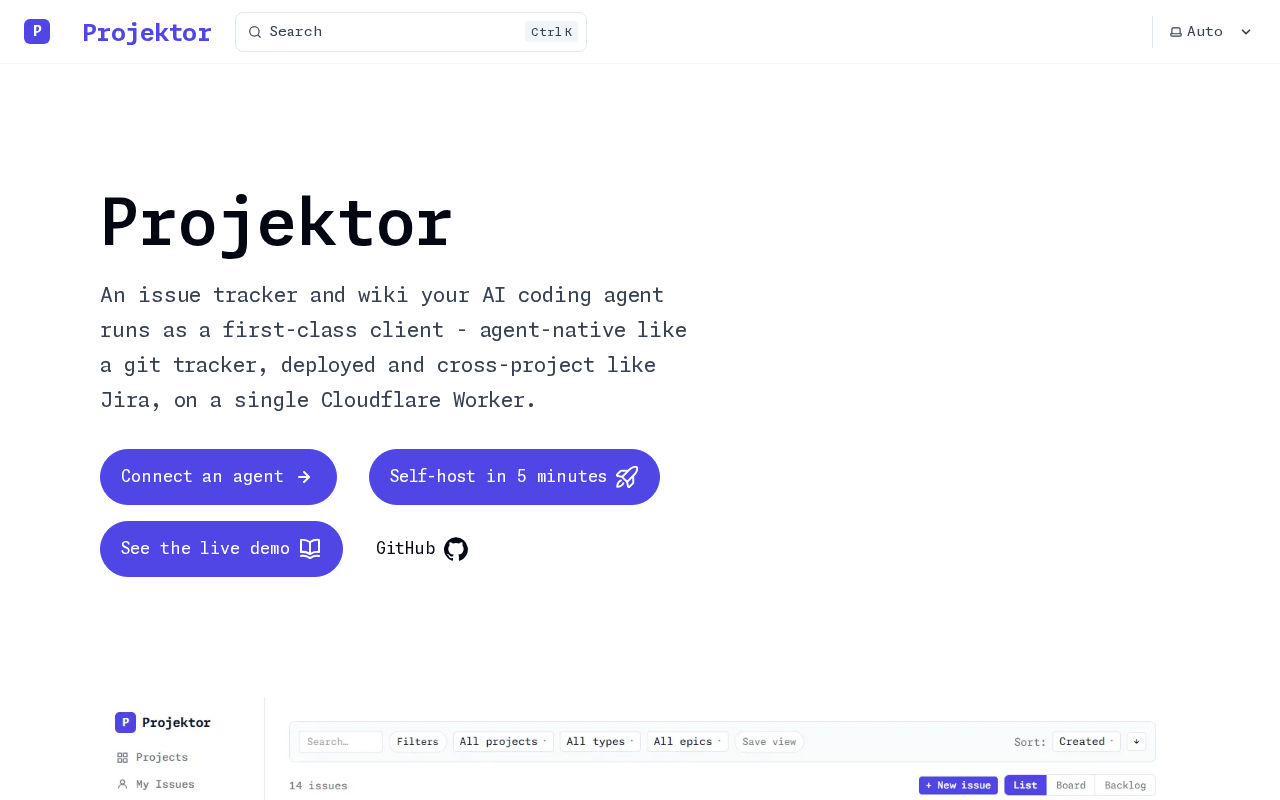
Open-Source Agent-Native Task Management: A Deep Dive into Cloudflare Edge Deployment
Deep dive into an open-source Agent Native task management and Wiki project deployed on Cloudflare, exploring Agent-native architecture, edge computing benefits, and serverless deployment for the AI Agent era.
Read more →
·3 min
Open-Source Agent-Native Task Management: A Deep Dive into Cloudflare Edge Deployment
Deep dive into an open-source Agent Native task management and Wiki project deployed on Cloudflare, exploring Agent-native architecture, edge computing advantages, and serverless deployment for AI Agents.
Read more →

·5 min
Opus 5 Builds a No Man's Sky-Style Exploration Game in One Day: MCP and Sub-Agent Architecture Explained
A developer used Anthropic's Opus 5 model to build a No Man's Sky-style space exploration game in one day using Blender MCP and sub-agents. Deep dive into the technical architecture and industry implications.
Read more →

·4 min
LangChain Guardrails Explained: Building Safe and Controllable AI Agents
A detailed guide to LangChain Guardrails covering layered ecosystem architecture, middleware implementation, deterministic and model-driven protection for building production-grade secure AI Agents.
Read more →

·5 min
Learn AI Agent Development from Scratch: A 3-Step Practical Path to Get Started Quickly
How to learn AI Agent development from scratch? This article outlines a clear 3-step path: Python crash course, LLM theory & practice, and LangChain framework project implementation.
Read more →

·3 min
How to Choose an AI Agent Platform for Your Team: 5 Evaluation Dimensions and a Decision Framework
Choose the right AI Agent platform by evaluating model flexibility, observability, tool integration, security compliance, and total cost. A complete decision framework to help technical leaders avoid vendor lock-in.
Read more →

·3 min
How to Choose an AI Agent Platform for Your Team: 5 Evaluation Dimensions & Decision Framework
Choose an AI Agent platform by evaluating model flexibility, observability, tool integration, security compliance, and total cost. A complete decision framework to avoid vendor lock-in.
Read more →

·4 min
WebMCP in Practice: How MakeMyTrip Is Reshaping the Travel Booking Experience
India's largest OTA platform MakeMyTrip uses WebMCP to standardize AI Agent interactions with web apps, replacing fragile DOM scraping with natural language-driven test automation and simplified complex booking scenarios.
Read more →

·4 min
WebMCP in Practice: How MakeMyTrip Is Reshaping the Travel Booking Experience
India's largest OTA platform MakeMyTrip uses WebMCP to standardize AI Agent interaction with web apps, solving DOM scraping fragility, enabling natural language test automation, and simplifying complex international flight bookings.
Read more →

·3 min
From Frontend to Agent Development: A Complete 6-Week Systematic Learning Path
A 6-week systematic learning path for frontend engineers transitioning to AI Agent development, covering core architecture, ReAct, multi-agent collaboration, RAG integration, and deployment.
Read more →

·4 min
AI Agent Development in Practice: A Complete Path from Zero to Production
A systematic guide to AI Agent development covering core modules, framework selection, tool calling, data preparation, and production deployment to help developers build production-ready Agent applications.
Read more →