#MCP Proxy
89 related articles

·4 min
Getting Started with Claude Code: Environment Setup, Common Commands, and Git Workflow in Practice
A detailed guide to Claude Code installation, domestic model switching, project analysis commands, and Git workflow practice to help developers quickly master this AI programming collaboration tool.
Read more →

·2 min
Claude Code Getting Started Guide: Full Installation, Configuration, and Hands-On Walkthrough
Full guide to installing and configuring Claude Code: fix environment variables, network issues, and connect to Alibaba Cloud LLMs. Compare with Cursor and master all three working modes.
Read more →

·6 min
Hands-On with Panel AI On-Premises Deployment: One-Click Enterprise Adoption and Unified Compute Cluster Scheduling
In-depth review of Panel AI v1.1.1: second-level installation, no-public-IP networking, batch compute cluster management. Learn how enterprise AI on-premises deployment barriers are dramatically lowered.
Read more →

·2 min
IDA Pro + MCP in Action: AI-Assisted Reverse Engineering of a Music App's Signature Algorithm
A hands-on walkthrough of using IDA Pro with MCP for AI-assisted reverse engineering of a music app's Sign signature algorithm, covering traffic capture, endpoint analysis, and .so binary analysis.
Read more →

·3 min
The Complete Guide to AI-Native Architecture: RAG, Agents, and MCP
A comprehensive guide to AI-native application architecture: LLM inference, RAG retrieval (vector DB/knowledge graph/BM25), Agents, MCP tool calling, AI gateways, and observability — end-to-end.
Read more →

·3 min
Claude Code Practical Guide: Environment Setup, Git Workflows, and Engineering in Production
A complete guide to Claude Code: environment setup, switching to domestic LLMs, CLI commands, Git workflows, MCP, Subagents, and enterprise project walkthroughs.
Read more →

·3 min
Pi Agent Review: A Minimalist Coding Agent That's Lightweight, Efficient, and Highly Customizable
Pi Agent hands-on review: ~1,200 token overhead, no built-in system prompts, supports Codex/Grok and more. Compared to Claude Code and OpenCode, Pi Agent wins with minimalist design and full customizability.
Read more →

·4 min
AI Agents Automating JS Reverse Engineering: A Deep Dive into the New Paradigm for Web Scraping
AI agents are revolutionizing JS reverse engineering. This deep dive covers built-in tool chains, automation modes, prompt engineering for e-commerce, and full pipeline automation from parameter extraction to database storage.
Read more →
Smart Proxy: The Key Architecture for …
·3 min
Smart Proxy: The Key Architecture for Running AI Coding Agents Safely and Autonomously
Too much AI permission is risky; too little kills productivity. A smart proxy acts as a controllable middleware layer — intercepting, auditing, and policy-gating AI agent actions in tools like Claude Code and Cursor for safe autonomous operation.
Read more →

·3 min
Privacy Risks in Claude Code? Use Docker Sandboxes to Fully Isolate Your AI Coding Tools
Claude Code found to contain user monitoring logic, raising AI tool privacy concerns. Learn how to isolate Claude Code, Codex & Copilot with Docker Sandboxes — full setup and escape testing included.
Read more →

·3 min
LangChain4j Getting Started Guide: A Java Engineer's Fast Track to AI Application Development
LangChain4j is the AI application development framework built for Java engineers. Integrate DeepSeek, Qwen, and more into Spring Boot — no Python required.
Read more →
·4 min
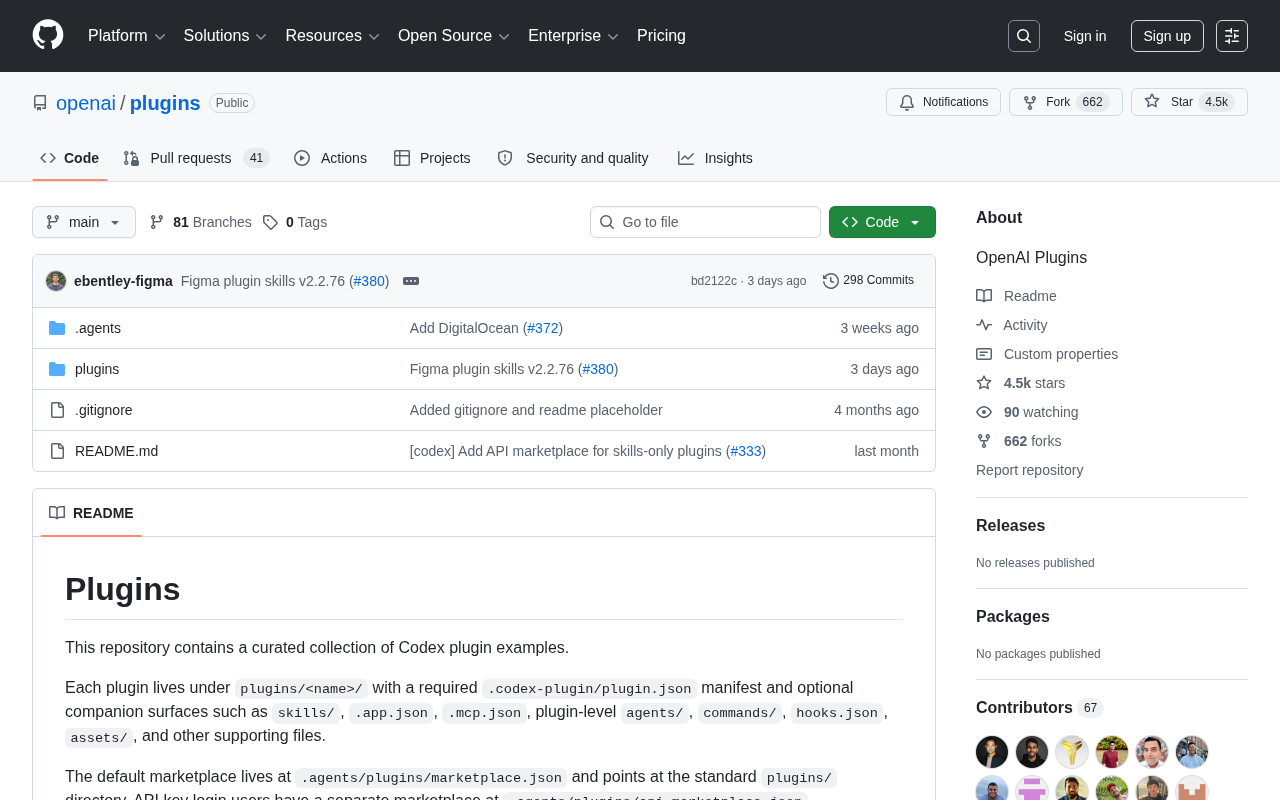
OpenAI Plugins Deep Dive: The Plugin System That Connects ChatGPT to the Real World
A deep dive into OpenAI Plugins: how the system works, its technical architecture, and why it matters. Learn how ChatGPT uses plugins to access real-time data, take real-world actions, and lay the groundwork for AI Agents and Tool Use.
Read more →

·7 min
Unity Custom MCP Tool Development Guide: Enabling AI Agents to Precisely Control the Editor
Learn how to develop custom tools based on the Unity MCP Relay Server, enabling AI agents like Cursor to directly control the Unity editor. Covers setup, tool building, parameter validation, and MCP Pro comparison.
Read more →

·6 min
MCP Brings Power Apps Data Seamlessly into M365 Copilot: A Complete Implementation Guide
A Power Platform MVP demonstrates how to use MCP to securely expose Power Apps business data to M365 Copilot. Covers declarative agent creation, custom tool development, and VS Code setup.
Read more →

·4 min
How to Connect DeepSeek to Claude Code: A Complete 4-Step Setup Guide for Users in China
Step-by-step guide to connecting DeepSeek to Claude Code via CC Switch — no VPN needed, start for just ¥10. Covers API Key setup, installation, model config, and a live demo.
Read more →

·2 min
Cursor Team Tools Leaderboard: One-Click Config Sync and Best Practices
Cursor's new Team Tools Leaderboard lets you discover popular plugins, skills, and MCP services in your team with one-click setup — unifying configs and spreading best practices.
Read more →

·3 min
Fortress: The Stealth Browser Built for AI Agents to Bypass Anti-Bot Detection
Fortress is an open-source stealth Chromium built for AI Agents. It eliminates automation fingerprints to bypass Cloudflare and other anti-bot systems.
Read more →

·7 min
HuggingFace Open-Sources ml-intern: An AI Engineer That Reads Papers and Trains Models Autonomously
Hugging Face's open-source ml-intern autonomously reads papers, writes training scripts, and finetunes LLMs, deeply integrating the HF ecosystem and smolagents. Explore its features and impact on ML careers.
Read more →
·7 min
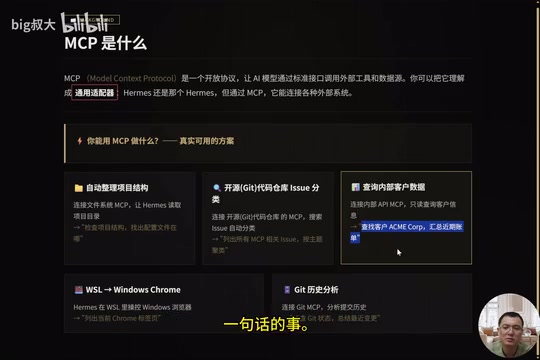
Connecting Hermes Agent to MCP: One Protocol to Unify All External Systems
Learn how to extend Hermes Agent's external system capabilities via MCP (Model Context Protocol): setup, whitelist permissions, WSL-to-Chrome bridging, and multi-server orchestration for AI Agent developers.
Read more →

·6 min
Claude Code Chinese Guide: A Complete Path from Zero to an Efficient Workflow
A systematic Claude Code learning guide built for Chinese developers, covering ten core modules including Slash Commands, Memory, MCP, and Hooks, with a three-tier path to build an AI coding workflow in 11–13 hours.
Read more →