#NumPy neural network
76 related articles

·3 min
Math Foundations for Machine Learning: A Roadmap Covering Four Core Areas with Recommended Resources
Struggling with math for ML? This guide covers linear algebra, calculus, probability, and optimization with top resources like 3Blue1Brown and Mathematics for Machine Learning.
Read more →

·3 min
AI/ML Internship Red Flags: How to Spot and Land Internships That Actually Matter
Is paying for an internship worth it? This deep dive into AI/ML "internship commodification" exposes the real problems with pay-to-intern schemes and offers actionable alternatives — open source, cold outreach, and technical fundamentals.
Read more →

·2 min
Run Python in Your Browser! Why This Free Machine Learning Course Is Worth a Try
ai.coredump.digital is a completely free, no-signup, from-scratch machine learning course that runs Python directly in your browser, covering 11 ordered learning tracks with 970 quiz questions and an interview drill mode.
Read more →

·4 min
Deep Learning Data Normalization: Global Statistics vs. Per-Image Normalization — A Practical Guide
A deep dive into global vs. per-image normalization in deep learning, with remote sensing segmentation case studies covering data leakage, Min-Max vs. Z-score, and best practices for multi-channel satellite imagery.
Read more →

·4 min
Do You Still Need to Hand-Code Machine Learning Algorithms in the AI Era? The Answer and the Method
With AI tools everywhere, is it still worth hand-coding SVM, decision trees, and other ML algorithms? This article explores the real value of hand-coding, the limits of AI tools, and smarter learning strategies for beginners in the AI era.
Read more →
·3 min
Career Switch to AI Engineer Without a CS Degree: A Self-Study Roadmap from Scratch
A real case study of an agriculture student breaking into AI: how to start with CS50 and systematically master Python, machine learning, and MLOps skills, with a three-phase transition plan for self-learners.
Read more →

·7 min
Breaking Down the Core Skills of an AI Application Engineer: From Beginner to Industrial-Grade Deployment
Knowing how to call an API doesn't make you an AI engineer. This article breaks down the complete skill structure of an AI application engineer, covering Python fundamentals, LLM fine-tuning, Agent development, and enterprise projects.
Read more →

·2 min
Decoding the AI Full-Stack Approach: Google's Vertical Integration Strategy from Chips to Applications
Deep analysis of Google's AI full-stack strategy: from custom TPU chips and system software frameworks to Gemini models and applications, examining how vertical integration delivers performance, cost, and autonomy advantages.
Read more →

·6 min
An Efficient Learning Guide for Data Science: Study Partnerships and Hands-On ML in Practice
Struggling to learn data science alone? This article explores the value of study partnerships and pairs them with the classic Hands-On ML textbook to offer a phased learning plan from math foundations to deep learning.
Read more →

·3 min
Building a Variational Autoencoder from Scratch: A Hands-on Guide with PyTorch + PIL
A deep dive into building a Variational Autoencoder (VAE) from scratch with PyTorch and PIL. Covers the encoder, decoder, reparameterization trick, and KL divergence loss to help you truly understand the fundamentals of generative AI.
Read more →

·3 min
Apple Executive Explains: Why the Mac Mini Has Become AI Developers' Top Choice for Local Inference
An Apple chip executive explains the surge in Mac Mini demand among AI developers: unified memory architecture breaks the VRAM bottleneck, superior energy efficiency enables long-term local deployment—the Mac Mini is becoming a top pick for local LLM inference.
Read more →
·4 min
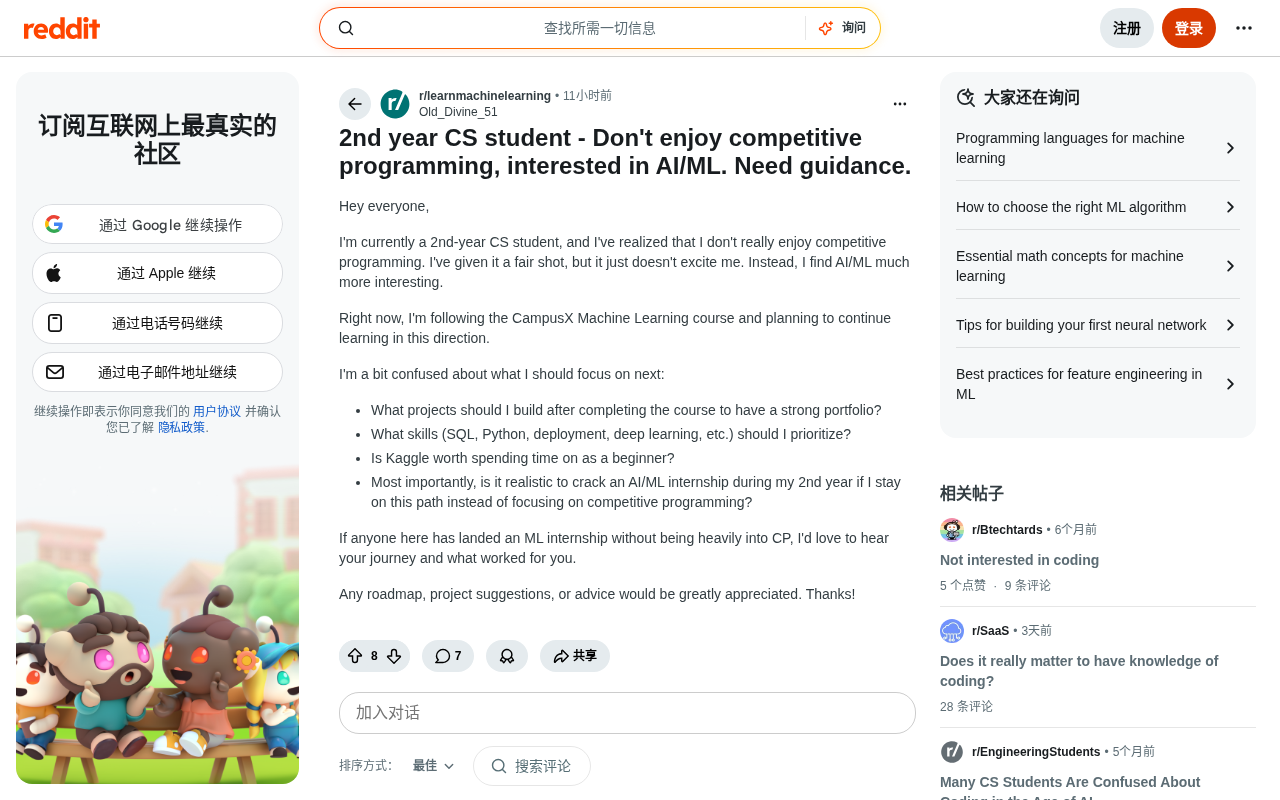
No Competitive Programming Required: How CS Students Can Pivot to AI/ML and Land Internships
How can CS students who dislike competitive programming systematically pivot to AI/ML? This guide covers skill priorities (Python/SQL/ML/deployment), portfolio strategy, Kaggle tips, and real paths to landing AI/ML internships.
Read more →

·3 min
Inside the ML Engineer Coding Assessment at Top US Tech Companies: What's Tested and How to Prepare
A firsthand account shared on Reddit reveals what a machine learning engineer online assessment (OA) at a top US tech company is really like. This article breaks down OA modules, role differences, and prep strategies for FAANG job seekers.
Read more →
Local Coding Agents in Practice: A Com…
·6 min
Local Coding Agents in Practice: A Complete Guide to Replacing Your Claude Subscription with Open-Source Models
An in-depth look at local coding agents—core concepts, advantages, and real challenges. Compare against Claude Code and learn to build a zero-subscription, private AI coding workflow with open-weight models.
Read more →

·7 min
Practical RL Compute Optimization: Core Strategies to Boost CPU and GPU Utilization
An in-depth look at why CPU and GPU utilization is low in RL training, covering vectorized environment parallelism, distributed Actor-Learner architectures, GPU-side simulation (Isaac Gym/Brax), and Ray RLlib practice.
Read more →

·4 min
How to Choose a Machine Learning Course for Beginners: A Complete Roadmap
Not sure where to start with machine learning? This guide covers the community-approved ML roadmap: from math and Python basics to Andrew Ng, fast.ai, Kaggle, and CS229.
Read more →
·7 min
Getting Started with LangChain 1.3: Core Concepts of LLMs and Agents
An in-depth breakdown of LangChain 1.3's core concepts, covering the three major limitations of LLMs, Agent architecture, memory management, and a complete learning path. Master LangChain and LangGraph to quickly build AI development skills.
Read more →
·6 min
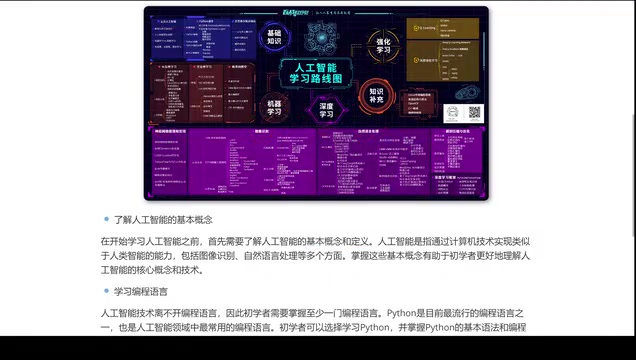
AI for Beginners: A Five-Step Practical Path That Skips the Math and Python Syntax Traps
Struggling with math and Python when learning AI from scratch? This article lays out a five-step entry path: grasp the concepts, learn Python lightly, master ML and deep learning principles, get hands-on with PyTorch, then deepen understanding through real projects.
Read more →

·5 min
Python Learning Roadmap for Beginners: A Three-Stage System to Avoid 90% of Detours
Learning Python from scratch? This article breaks down the three learning stages—Fundamentals, Intermediate, and Practice—covering variables, OOP, scraping, and data analysis to help you plan a systematic Python path.
Read more →

·2 min
Getting Started with LLMs: A Complete Roadmap from Zero to Practice
How to learn LLMs from scratch? This guide covers personalized learning paths for 3 types of learners, hardware tips (16GB RAM is enough), Python prep, and cloud GPU options.
Read more →