#O3 Mini
5604 related articles
·4 min
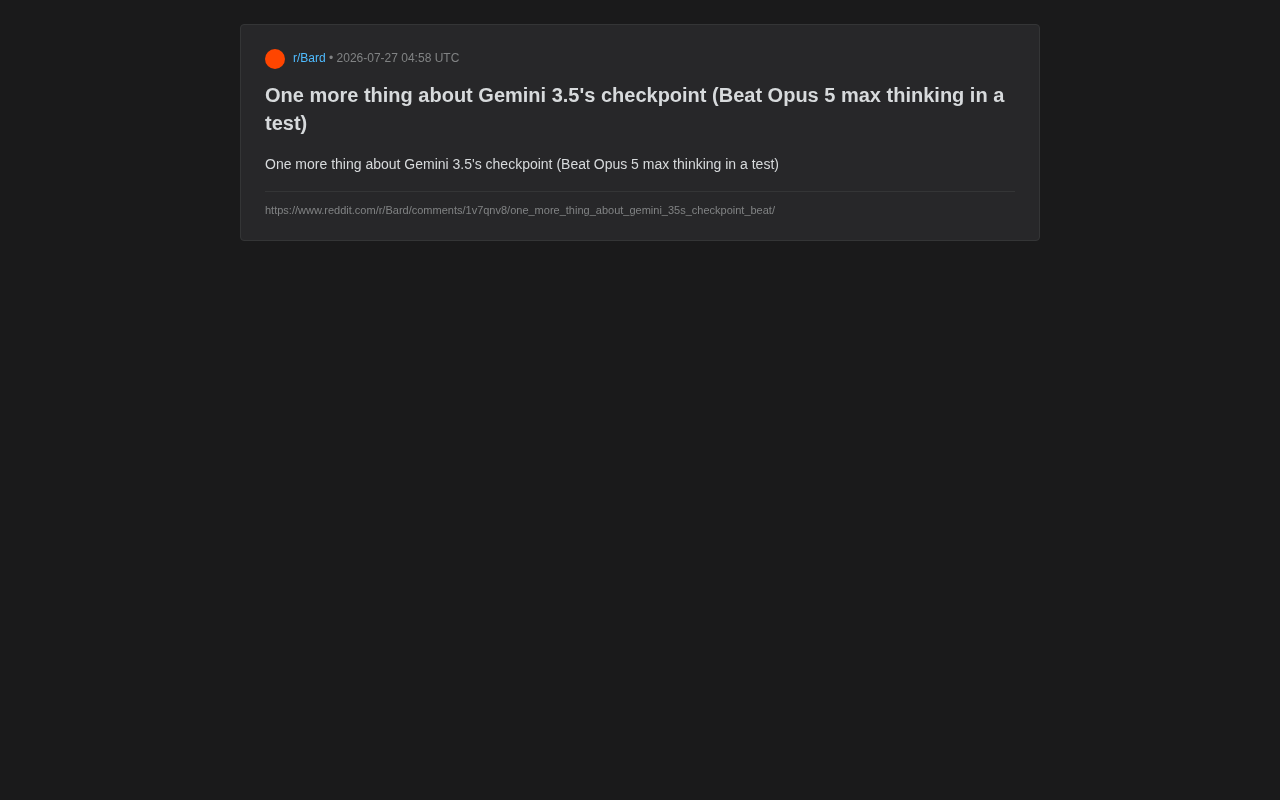
Gemini 3.5 Checkpoint Leaked: Intermediate Version Reportedly Outperforms Opus 5 in Testing
Reddit leaks suggest a Google Gemini 3.5 intermediate checkpoint outperformed Claude Opus 5 max thinking in testing. We analyze what checkpoints mean, benchmark credibility, and the LLM competition landscape.
Read more →

·1 min
Google Gemini 3.6 Flash Hands-On: Leading in Speed and Cost, But With Notable Coding Weaknesses
Google released three models at once: Gemini 3.6 Flash, 3.5 Flash Lite, and 3.5 Flash Cyber. Testing shows 3.6 Flash is fast and cheap, but underperforms 3.5 Flash in coding tasks.
Read more →
·2 min
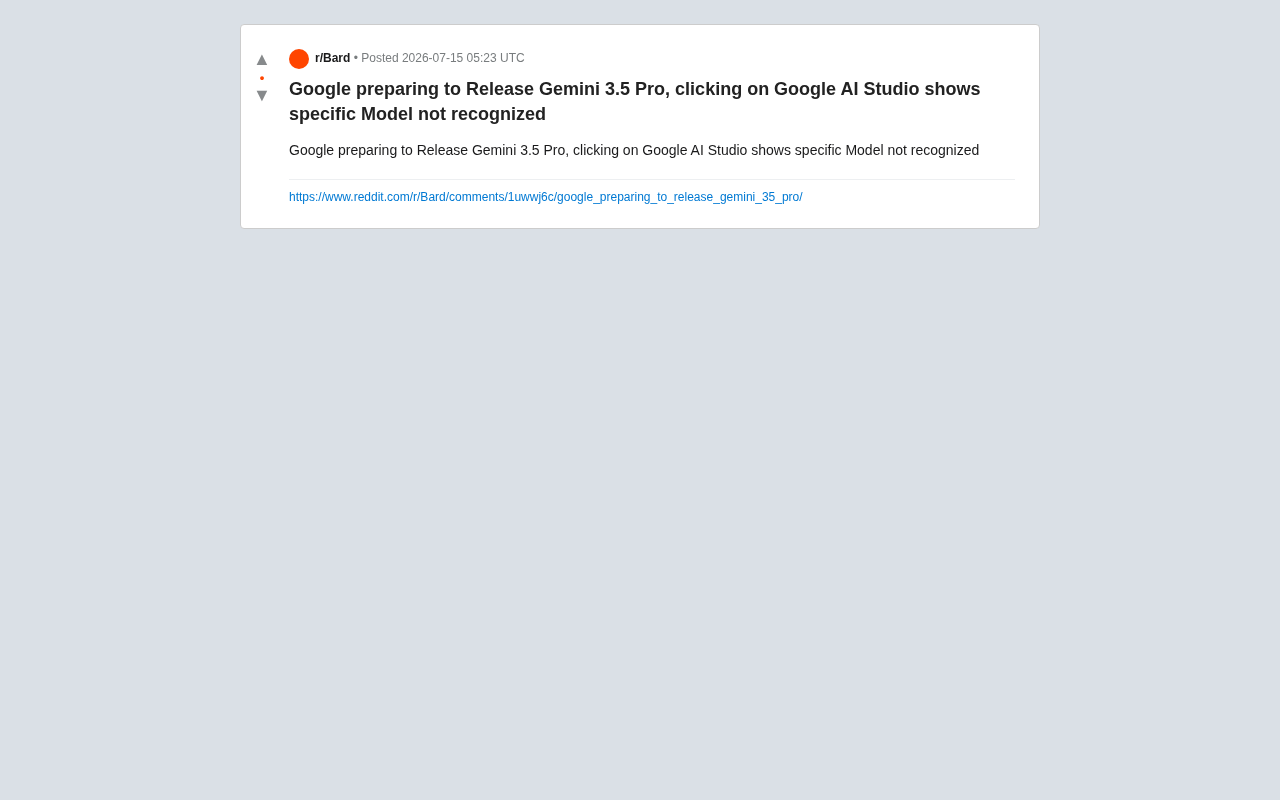
Gemini 3.5 Pro Coming Soon? AI Studio Leaks a Key Clue
A user spotted a suspected Gemini 3.5 Pro model identifier in Google AI Studio, triggering a 'Model not recognized' error. We break down the leak, naming strategy, and what it means for developers.
Read more →

·2 min
Gemini 3.5 Pro Rebuilt from Scratch: Delays, Talent Exodus, and the AI Competition Landscape
Gemini 3.5 Pro was rebuilt from scratch due to gaps in math reasoning and SVG generation, as four senior Google researchers joined Anthropic. A deep dive into the technical and talent implications.
Read more →

·2 min
MiniMax M3 Local Deployment: 23B Active Parameters ≠ 23GB VRAM — A Complete Guide to MoE Architecture
MiniMax M3 is a 428B MoE model. Its 23B active parameters reflect per-token compute, not VRAM needs. Learn the MoE trade-offs, quantization options, and deployment paths to avoid the most common misconception.
Read more →

·2 min
Deterministic Attention Transformer: H100 Benchmark Achieves Just 0.63 Joules Per Token
Researchers propose the Deterministic Attention-Transformer, measuring just 0.63 J/token on NVIDIA H100 GPUs. Explore the tech behind it and its green AI implications.
Read more →
·2 min
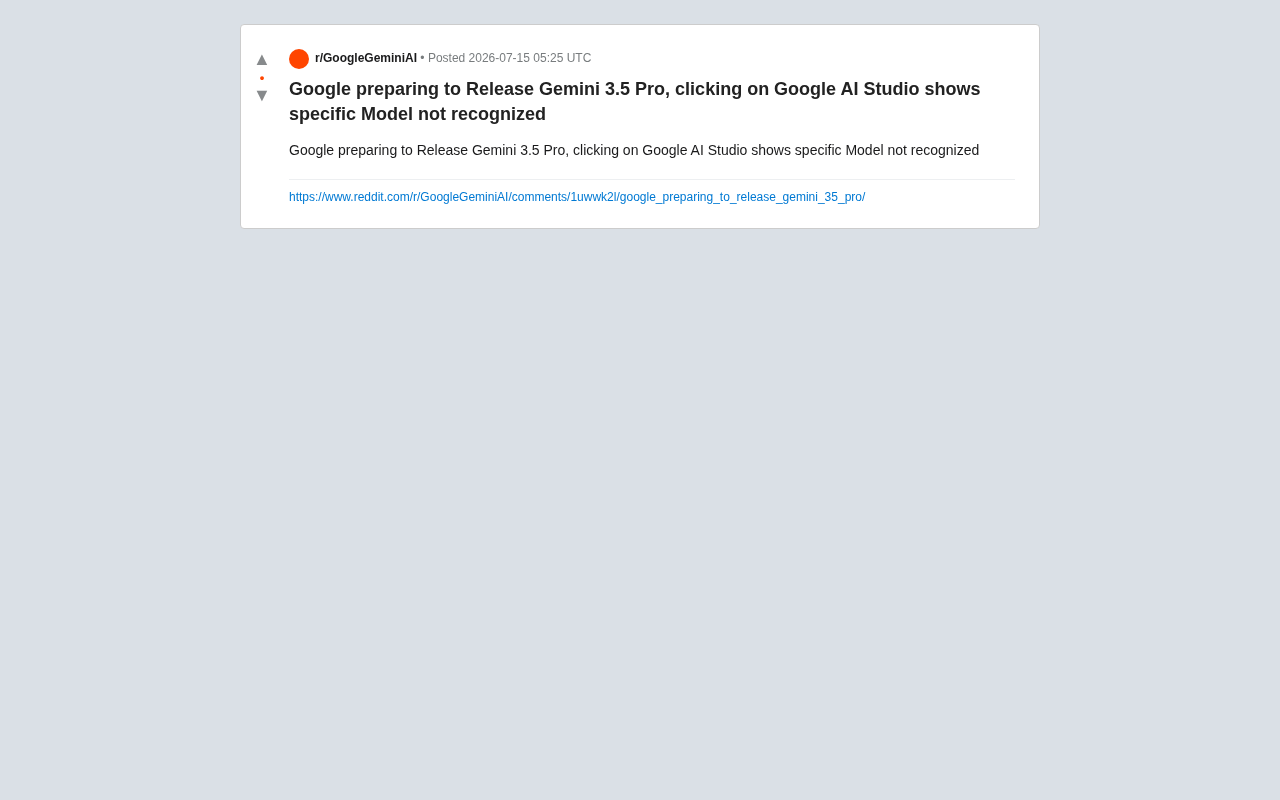
Gemini 3.5 Pro Spotted in Google AI Studio — Is a New Flagship Model Coming?
A Reddit user spotted "Gemini 3.5 Pro" listed as unrecognized in Google AI Studio. We break down the technical signals, naming logic, and strategic implications.
Read more →

·3 min
AI Teams in Action: How MiniMax M3 Uses Multi-Agent Collaboration to Reinvent Content Creation
MiniMax M3-powered AR assistant M-Code automates the full content creation pipeline through four specialized agents: planning, recording, drafting, and review.
Read more →
·3 min
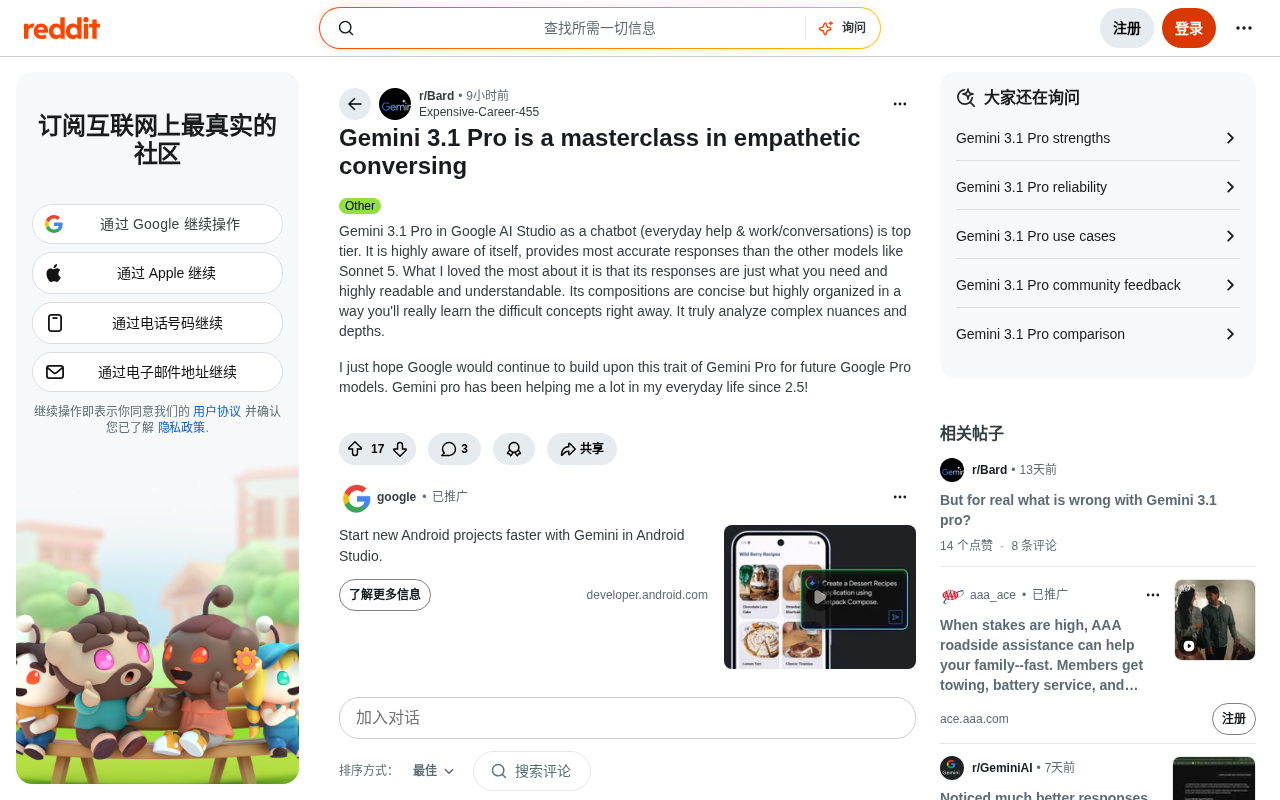
Gemini 3.1 Pro Review: Why Its Empathetic Conversation Style Keeps Users Coming Back
A longtime user calls Gemini 3.1 Pro "a masterclass in empathetic conversing" — concise, context-aware, and intent-driven. We break down why empathy is becoming AI's new competitive frontier.
Read more →

·5 min
Gemini 3.5 Pro Delayed Again: Google's Compute Dilemma and the Mystery of a Full Rebuild
Gemini 3.5 Pro is delayed again, yet the community's reaction is surprisingly calm. This article dives deep into Google's compute cost pressures, the risks of a full architectural rebuild, and DeepMind's long-term strategy.
Read more →

·2 min
Gemini 3.5 Pro's Repeated Delays: The Real Logic Behind the LLM Race
Gemini 3.5 Pro's latest delay sparks community debate. This article dives deep into the technical causes, safety review pressures, and expectation-management challenges behind frequent LLM delays.
Read more →

·3 min
Google's AI Blitz: Gemini 3.5 Live Translate, NotebookLM Upgrades, and DiffusionGemma Explained
Google's packed AI week: Gemini 3.5 Live Translate, NotebookLM agentic upgrades, DiffusionGemma text diffusion, and Project Genie. A full breakdown of Google's latest AI moves.
Read more →

·3 min
Gemini 3.5 Flash Automatically Generates Jet Lag Recovery Plans: A Full Walkthrough from Email to Calendar
Gemini 3.5 Flash auto-extracts flight info from Gmail, generates personalized jet lag recovery plans, and syncs them to Google Calendar. Full workflow review and AI implications.
Read more →

·3 min
MiniMax M3 Coding Benchmark: 1/765th the Price of Opus, but Better Code Quality?
Real-world coding tests compare MiniMax M3 vs Cursor Composer 2.5 across three tasks. At 1/765th the price of Claude Opus, M3 delivers better code quality, tests, and project structure.
Read more →

·2 min
Minimax at $40/Month for 35 Billion Tokens: A Deep Dive into This Fable Alternative
Minimax offers 35 billion tokens for just $40/month (~$1.14 per million tokens), far below mainstream AI pricing. Compare Minimax vs Fable for the best value AI inference solution.
Read more →

·2 min
Gemini 3.5 Live Translate: A Deep Dive into Google's Real-Time Translation Model
Google releases Gemini 3.5 Live Translate, a real-time audio translation model supporting multilingual low-latency speech translation. A deep dive into its tech, use cases, and industry impact.
Read more →

·4 min
AI Programming in Practice: Building a Local Errand-Running Mini Program in 37 Minutes — Full Workflow
Learn how to build a full local errand-running mini program in 37 minutes using AI tools like Stitch, Trae, UniApp, and UniCloud — covering UI design, full-stack development, and cross-platform publishing.
Read more →

·3 min
Indie Developer Shows the Bill: Spent $325 Building a Mini Program, Earned Zero Revenue
An indie developer spent 6 months and $325 building an English reading mini program, earning zero revenue. A detailed breakdown of API costs, cloud services, and lessons learned.
Read more →

·3 min
Antigravity 2.0 In-Depth Review: A Multi-Agent Collaboration Platform Powered by Gemini 3.5 Flash
In-depth review of Google's Antigravity 2.0 desktop Agent app, testing Gemini 3.5 Flash code generation, scheduled task automation, and dynamic Sub-agent parallel collaboration features.
Read more →

·2 min
How to Fix WeChat Mini Program Errors: A 3-Step AI Auto-Fix Method
Fix WeChat Mini Program errors without coding. Learn a practical 3-step method: save error logs, let AI IDE auto-analyze and fix, then recompile to verify.
Read more →