#PyTorch
483 related articles

·2 min
Getting Started with Ollama: A Powerful Tool for Deploying Open-Source LLMs Locally
Ollama is a free, open-source LLM management platform that lets you deploy open-source models like DeepSeek locally with one click. It supports macOS, Windows, Linux, and Docker, with both API and CLI modes to build private AI apps at zero cost.
Read more →

·2 min
Reproducing GitHub Projects from Scratch: A Complete Guide to Environment Setup and Practical Pitfall Avoidance
Reproducing GitHub projects isn't just git clone. This guide covers project evaluation, conda setup, dependency installation, running .sh scripts on Windows, and debugging tips.
Read more →

·2 min
Run Python in Your Browser! Why This Free Machine Learning Course Is Worth a Try
ai.coredump.digital is a completely free, no-signup, from-scratch machine learning course that runs Python directly in your browser, covering 11 ordered learning tracks with 970 quiz questions and an interview drill mode.
Read more →

·4 min
Deep Learning Data Normalization: Global Statistics vs. Per-Image Normalization — A Practical Guide
A deep dive into global vs. per-image normalization in deep learning, with remote sensing segmentation case studies covering data leakage, Min-Max vs. Z-score, and best practices for multi-channel satellite imagery.
Read more →

·3 min
LangChain 1.3 in Practice: A Complete Technical Guide from LLMs to DeepAgent
An in-depth analysis of the core knowledge system of LangChain 1.3, covering the Harness architecture philosophy, DeepAgent positioning, LangGraph fundamentals, Agent memory, and human-in-the-loop.
Read more →

·4 min
Do You Still Need to Hand-Code Machine Learning Algorithms in the AI Era? The Answer and the Method
With AI tools everywhere, is it still worth hand-coding SVM, decision trees, and other ML algorithms? This article explores the real value of hand-coding, the limits of AI tools, and smarter learning strategies for beginners in the AI era.
Read more →
·4 min
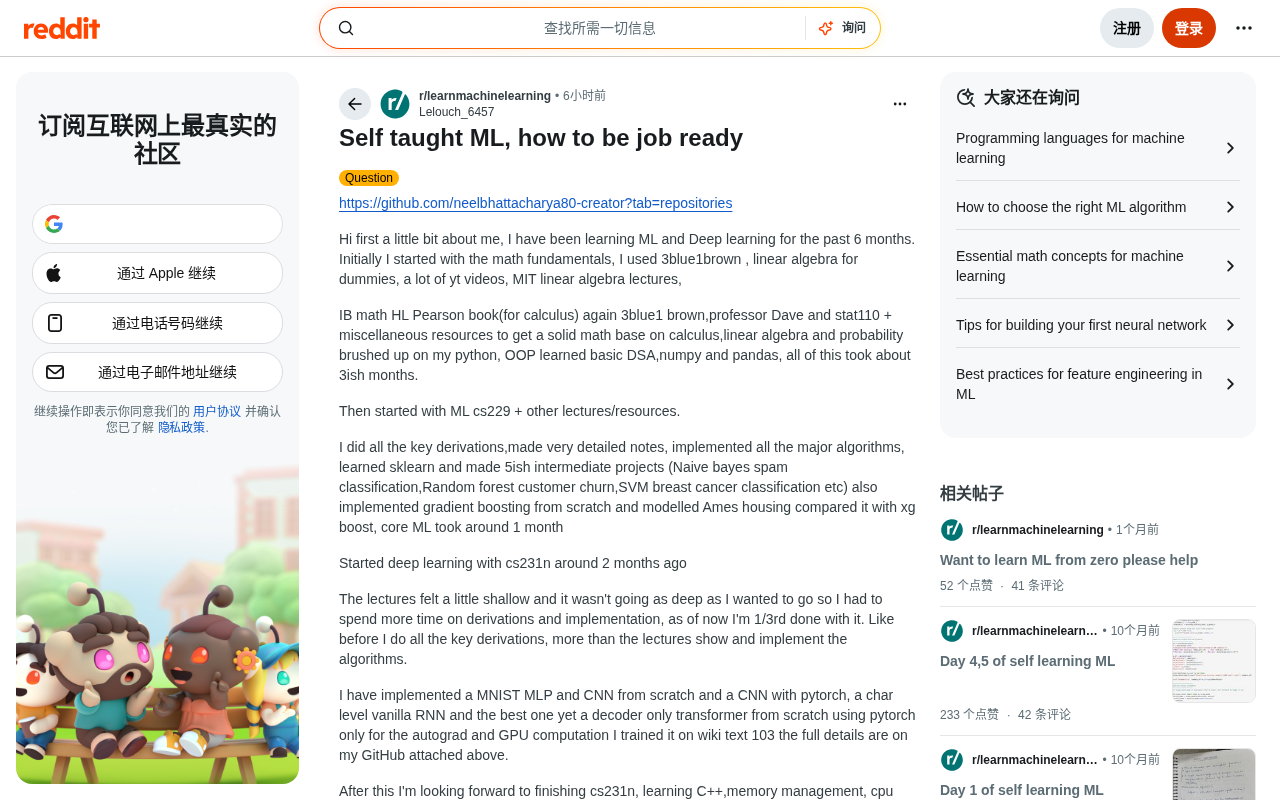
6 Months of Self-Taught Machine Learning: A Complete Roadmap from Zero to Job-Ready
A self-learner completed a full progression from math foundations and core ML to deep learning in 6 months—hand-writing a Transformer and implementing gradient boosting from scratch. This article breaks down the highlights and blind spots of this real roadmap.
Read more →

·3 min
Programs as Data Flow: Rethinking Architecture Paradigms Through Building a 3D Editor in C++
A developer builds a 3D editor from scratch in C++, modeling programs as dataflow graphs rather than object collections. Exploring dataflow vs. OOP, Greenspun's Tenth Rule, and the debugging dividend of visual programming.
Read more →
The Circular Financing Trap in Nvidia'…
·4 min
The Circular Financing Trap in Nvidia's Ecosystem: The Capital Undercurrents Behind the GPU Boom
An in-depth look at the circular financing model among Nvidia, CoreWeave, and Nebius—where suppliers double as investors, capital self-reinforces, and valuation bubbles and systemic risk lurk behind the AI infrastructure boom.
Read more →

·3 min
Nvidia's Dilemma: How the Commoditization of the Compute Market Is Turning Against Its Creator
Nvidia's revenue keeps rising, yet its stock has fallen ~15% from its peak. A deep dive into the double-edged sword of compute commoditization—when cloud giants build their own chips, how much of Nvidia's pricing power and moat remains?
Read more →
·3 min
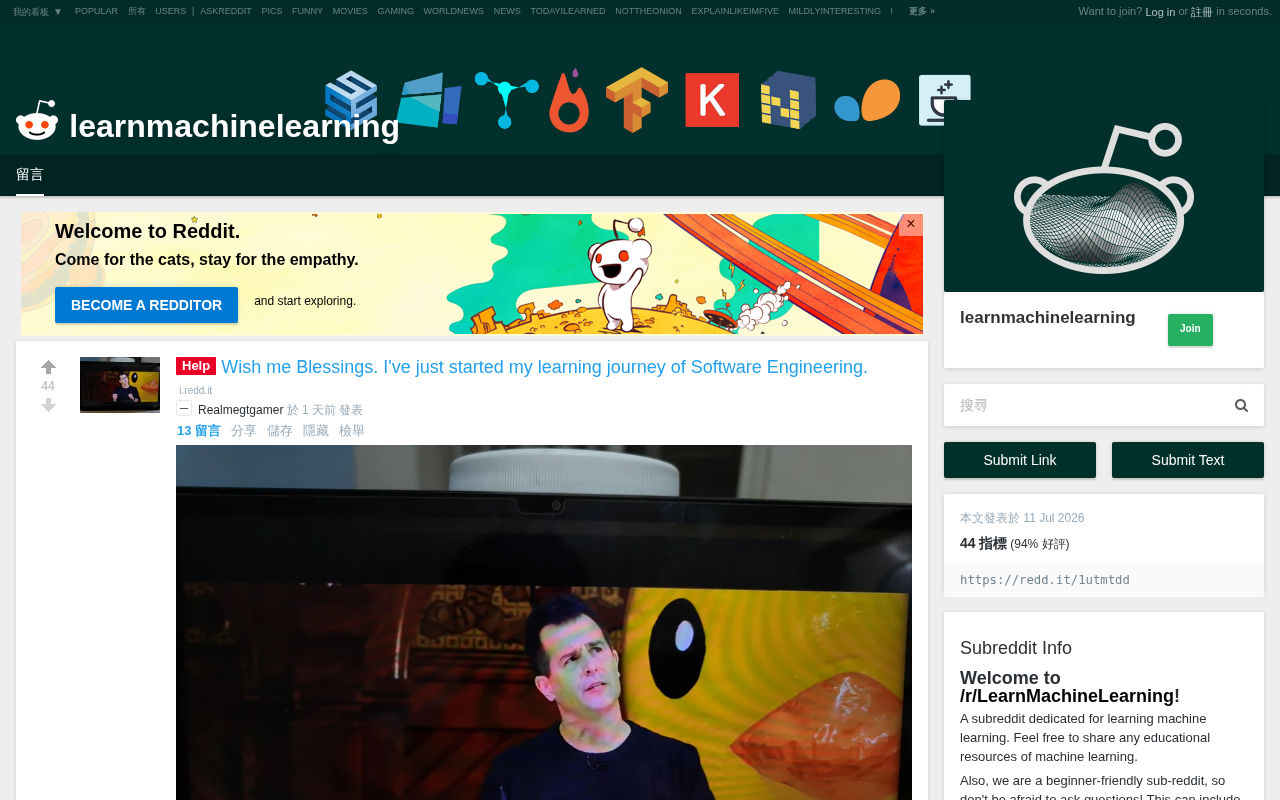
Career Switch to AI Engineer Without a CS Degree: A Self-Study Roadmap from Scratch
A real case study of an agriculture student breaking into AI: how to start with CS50 and systematically master Python, machine learning, and MLOps skills, with a three-phase transition plan for self-learners.
Read more →

·3 min
Getting Started with AI Agent Development: A Three-Step Practical Path with Python + LangChain
Learning AI Agent development is no longer daunting! This article outlines the simplest practical path: master just enough Python, grasp core LLM concepts, then build your first Agent with LangChain.
Read more →

·7 min
Breaking Down the Core Skills of an AI Application Engineer: From Beginner to Industrial-Grade Deployment
Knowing how to call an API doesn't make you an AI engineer. This article breaks down the complete skill structure of an AI application engineer, covering Python fundamentals, LLM fine-tuning, Agent development, and enterprise projects.
Read more →

·5 min
The Five Unsolved Challenges of Production MLOps: A Deep Dive into GPU Scheduling, Fault-Tolerant Training, and Model Observability
A deep dive into the five genuinely tough challenges of production MLOps: fault-tolerant training on Spot instances, cross-team GPU scheduling, data reproducibility, model observability, and inference cost optimization.
Read more →

·4 min
E2AM: An Open-Source Tool to Quantify AI Training Energy Consumption and Carbon Emissions in Two Lines of Code
E2AM is a Green AI open-source tool that monitors AI model training energy use, carbon emissions, and accuracy-per-joule metrics in just two lines of code. Supports PyTorch and Hugging Face, runs locally with no server needed.
Read more →

·4 min
Unsloth Releases Qwen3.6 NVFP4 Quantization: 2.5x Faster with Zero Accuracy Loss
Unsloth releases NVFP4 quantization for Qwen3.6 using W4A4 true 4-bit Tensor Core computation, delivering up to 2.5x inference speedup over NVIDIA's official implementation with accuracy matching or exceeding BF16 on benchmarks like MMLU-Pro.
Read more →

·4 min
No MLP or Attention Required: How Point-Attractor Dynamics Learn Word Embeddings
A minimalist dynamical system experiment: without MLP, Transformer, or attention layers, point-attractor dynamics driven purely by co-occurrence pressure learns semantic similarity on SimLex-999.
Read more →

·5 min
Advanced Machine Learning Reading List: How to Choose the Right Book Among These 4 Classics?
Torn between Géron, Chollet, and Raschka? This article breaks down 4 classic ML books for self-learners aiming at finetuning and small language models (SLM), helping you find the best advanced path.
Read more →

·4 min
Behind India's 5% AI Hiring Dip: Core Skill Demand Structure Remains Rock Solid
India's AI/data science postings hit 11,557 this week, down 5% from last week, but the skill demand structure barely changed. Python, ML, and SQL remain top skills while GenAI/LLM demand keeps rising.
Read more →

·4 min
Meta's In-House AI Chip Enters Mass Production in September: Modular Design Breaks New Ground for Compute Autonomy
Meta's new-generation in-house AI chip enters mass production in September, using a modular design to cope with rapid AI evolution. A deep dive into the cost logic, inference optimization, and market impact on NVIDIA.
Read more →