#agentic internet
104 related articles

·5 min
ChatGPT Work Officially Launches: How GPT-5.6 Is Reshaping the Way You Work
OpenAI launches the GPT-5.6 model family (Sol/Terra/Luna) and ChatGPT Work, enabling automated financial analysis, local file operations, Codex coding, and cross-app workflows—AI officially becomes a real work partner.
Read more →

·6 min
1X NEO Robotic Hand and GPT-5.6: A Full Breakdown of Dual Breakthroughs in Robot Hardware and Software
1X releases a new robotic hand for the NEO humanoid robot—25 DOF, force transparency, and tactile skin enabling data self-labeling. OpenAI launches the three-tier GPT-5.6, boosting coding and cost-efficiency. Hardware and AI brains evolve together, accelerating humanoid robot commercialization.
Read more →
·5 min
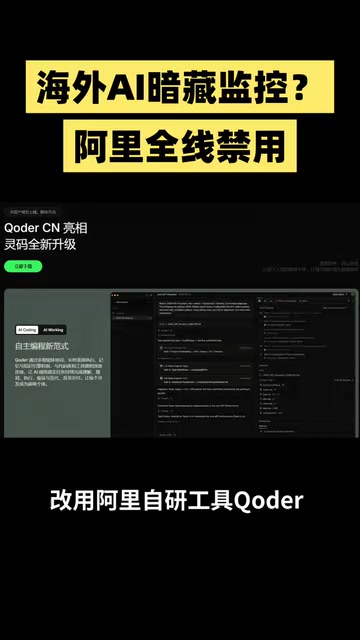
Deep Analysis of the Alibaba-Claude Ban: The Battle for Autonomous Control of AI Coding Tools
Alibaba bans all Anthropic products including Claude Code, while ByteDance and Tencent switch to in-house tools. A deep dive into the security logic and industry trends behind China's push for autonomous AI coding tools.
Read more →
·6 min
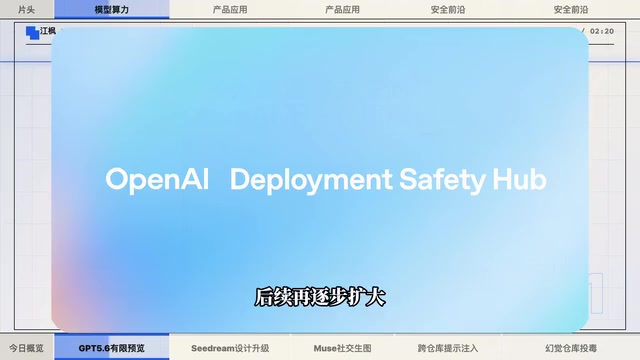
GPT-5.6 Sol Limited Preview: The Safety Boundaries Behind AI's Capability Expansion
OpenAI's flagship GPT-5.6 advances on three fronts—Sol, Kara, Luna tiered rollout; ByteDance CGN 5.0 Pro and Meta Muse push image generation toward controllable workflows; AI coding agents expose new supply chain risks.
Read more →

·5 min
GPT-5.6 Three-Model Breakdown: Sol/Terra/Luna Pricing and the Regulatory Dilemma
In-depth analysis of OpenAI's GPT-5.6: Sol, Terra, Luna pricing, Cerebras inference advantages, and how OpenAI and Anthropic navigate government regulation amid US-China AI competition.
Read more →

·3 min
GPT-5.6 Released: Sol, Terra, and Luna Reshape AI Programming and Office Automation
OpenAI launches GPT-5.6 with three models — Sol, Terra, and Luna — plus ChatGPT Work, a new desktop app, and Hosted Sites. Codex now autonomously trains models.
Read more →

·6 min
Zuckerberg Says AI Will Run Your Entire Business — But Data Ownership Risks Can't Be Ignored
Meta launched an enterprise AI agent, with Zuckerberg claiming it can "run your entire business." This article explores the commercial value of AI agents, the hidden risks of data ownership, and how different businesses can balance efficiency with data sovereignty.
Read more →

·5 min
Claude Cowork Arrives on Mobile and Web, with Max Users Getting Early Access
Anthropic's AI collaboration platform Claude Cowork officially expands to mobile and web, breaking free from desktop-only limits. Max subscribers get early access, with other plans rolling out over the coming weeks.
Read more →

·6 min
A Beginner's Guide to AI Agents: How Large Models Are Driving a New Computing Revolution
What is an AI Agent? This article systematically explains the core architecture of AI agents (LLM + Planning + Memory + Tools), how they differ from ChatGPT, their combination with robots, and why developers must master Agent development skills.
Read more →

·6 min
GPT-5.6 Released: Three-Tier Soul/Terra/Luna Lineup, Orchestration Baked Into the Model
OpenAI releases the GPT-5.6 series with Soul, Terra, and Luna models. Ranked first on Terminal Bench coding evaluation, Ultra mode natively bakes agent orchestration into the model, while revealing Agentic Trace data as the core competitiveness of next-gen AI training.
Read more →

·6 min
Fable 5 vs GPT-5.6 Sol: Cost-Efficiency Redefines the Frontier AI Landscape
An in-depth analysis of the head-to-head between Anthropic's Fable 5 and OpenAI's GPT-5.6 Sol: the performance gap, the logic behind pricing strategies, and the concentration-of-power concerns raised by U.S. government involvement.
Read more →
·7 min
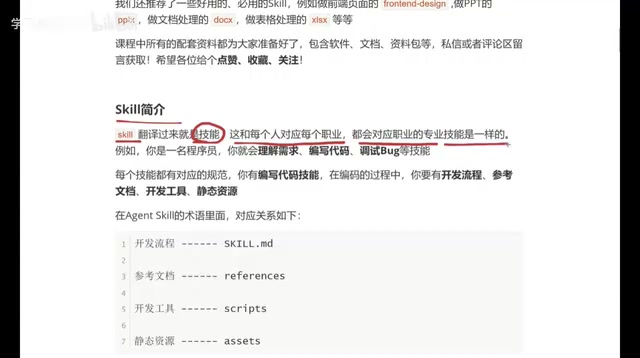
The Complete Guide to Agent Skills: Principles, Structure & Practical Applications
Deep dive into AI Agent Skills: SKILL.md file structure, four component modules, differences from prompts, and practical scenarios for frontend generation, PPT creation, and more.
Read more →

·7 min
The Complete Guide to OpenCode: Installing, Configuring, and Using the Terminal AI Coding Assistant
An in-depth guide to installing, configuring, and extending OpenCode, the terminal AI coding assistant. Covers desktop and WSL installation, model config, MCP integration, and custom Agents.
Read more →

·7 min
Andrew Ng Teams Up with LangChain: Core Principles of LangGraph Agent Development
Andrew Ng and LangChain CEO Harrison Chase present AI Agents in LangGraph, covering five core agent design patterns and LangGraph's graph-based framework for building cyclical agentic workflows.
Read more →
·7 min
Andrew Ng Teams Up with LangChain: Core Concepts of LangGraph Agent Development
Andrew Ng and LangChain CEO Harrison Chase's AI Agents in LangGraph course covers five agent design patterns and LangGraph's graph-based framework for building cyclical AI workflows.
Read more →

·7 min
Claude Sonnet 5 Released: The Most Powerful Agent-Capable Mid-Tier AI Model
Anthropic releases Claude Sonnet 5, its most agentic mid-tier model with planning, browser/terminal tool use, and autonomous execution—bringing flagship Agent capabilities at significantly lower cost.
Read more →

·7 min
Claude Sonnet 5 Released: The Most Capable Agent Model at Mid-Tier Pricing
Anthropic releases Claude Sonnet 5, its most agentic Sonnet model yet. With planning, browser/terminal tool use, and autonomous execution, it brings flagship Agent capabilities to mid-tier pricing.
Read more →

·2 min
AI Coding Assistants Become New Attack Targets: DNS Covert Channels Used to Steal Developer Credentials
Researchers reveal attacks targeting AI coding assistants like Claude Code: malicious setup scripts use DNS covert channels to steal API keys, bypassing static scans.
Read more →

·6 min
OpenAI CFO Deep Dive: IPO Stance, Compute Shortage, and Jony Ive's New Hardware Revealed
OpenAI CFO Sarah Fryer discusses the $122B fundraise, IPO timeline, Anthropic rivalry, compute shortage crisis, and the mysterious Jony Ive hardware collaboration on the All-In Podcast.
Read more →

·7 min
AI Agent Practical Guide: The Complete Path from Building to Production Deployment
A deep dive into AI Agent architecture and engineering practices, covering tool design, ReAct execution patterns, Vercel deployment, and production considerations to bridge the prototype-to-production gap.
Read more →