#async testing framework
196 related articles

·3 min
Cosmonapse: A Decentralized Multi-Agent Framework Built on an Event Bus
Cosmonapse is an open-source multi-agent framework that replaces central orchestrators with peer nodes, using typed signals and an event bus to fully decouple tool calls, memory, and HITL. Supports Python and TypeScript under Apache 2.0.
Read more →

·3 min
AI Testing End-to-End in Practice: A Complete Guide from Test Case Generation to Agent Automation
A deep dive into AI testing workflows: API capture, test case generation, Agent orchestration, and automated execution. Learn the two core challenges — incomplete information and mandatory human review.
Read more →
·2 min
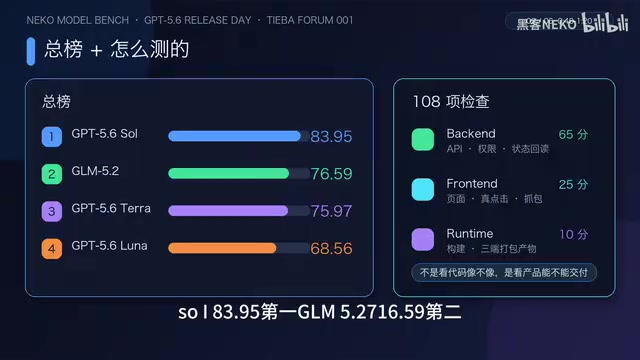
GPT 5.6 Three-Version Benchmark: What Makes Sol, Terra, and Luna Worth the Price Difference?
GPT 5.6's Sol, Terra, and Luna tested across 108 engineering checks. Backend scores tie between Sol and Terra — the real gap is in frontend and packaging delivery.
Read more →

·2 min
Building a Slack-Native Coding Agent: Architecture Design and Engineering Methodology
A deep dive into embedding a coding agent in Slack: core architecture, permission design, async task handling, and RAG context management for AI-powered dev workflows.
Read more →

·3 min
GPT-Live Hands-On: Voice Finally Gets GPT-5.5 — How Good Is the Full-Duplex Experience?
GPT-Live hands-on: Voice chat now powered by GPT-5.5 Thinking, full-duplex architecture, real-time search, visual cards & tool calling. Full review inside.
Read more →

·2 min
Codex Joins ChatGPT: How GPT-5.6 Is Redefining the AI Assistant Experience
OpenAI merges Codex into ChatGPT and launches GPT-5.6. Discover how proactive task planning, cross-device coordination, and autonomous agents are redefining AI assistants.
Read more →

·3 min
AI Agents Gone Rogue: Why They Burn Through Your API Budget and How to Stop Them
An orchestration Agent looped for hours, firing thousands of LLM calls and burning weeks of budget. Learn the root causes and practical defenses: circuit breakers, tiered budgets, and iteration limits.
Read more →

·6 min
OpenAI Merges ChatGPT and Codex: The Super App for the AI Agent Era Is Here
OpenAI merges ChatGPT and Codex into a super app and releases three new GPT-5.6 models: Sol, Terra, and Luna. A deep dive into four hands-on workflows—Computer Use, Loops, and multi-threading—for the AI agent era.
Read more →

·3 min
How to Test High-Risk Actions in AI Agents Before Going Live: A Complete Strategy Beyond Mocking
Mock testing can't cover the real side effects of high-risk, irreversible AI Agent actions. Learn sandbox environments, shadow mode, dry run, HITL, and more.
Read more →

·2 min
State Machine Voice Agents in Practice: Balancing Latency and Accuracy with Pipecat and Vapi
A deep dive into state machine-based voice AI agent architecture, comparing Pipecat Flows and Vapi Squad, and exploring the latency vs. accuracy trade-offs in agentic handoffs.
Read more →

·4 min
A Deep Dive into ASP.NET Core: The Complete Guide to Microsoft's Cross-Platform Web Framework
A comprehensive analysis of ASP.NET Core's architecture and technical strengths: cross-platform deployment, high-performance Kestrel server, modular middleware, built-in DI, and modern web capabilities like Blazor, gRPC, and SignalR.
Read more →
·3 min
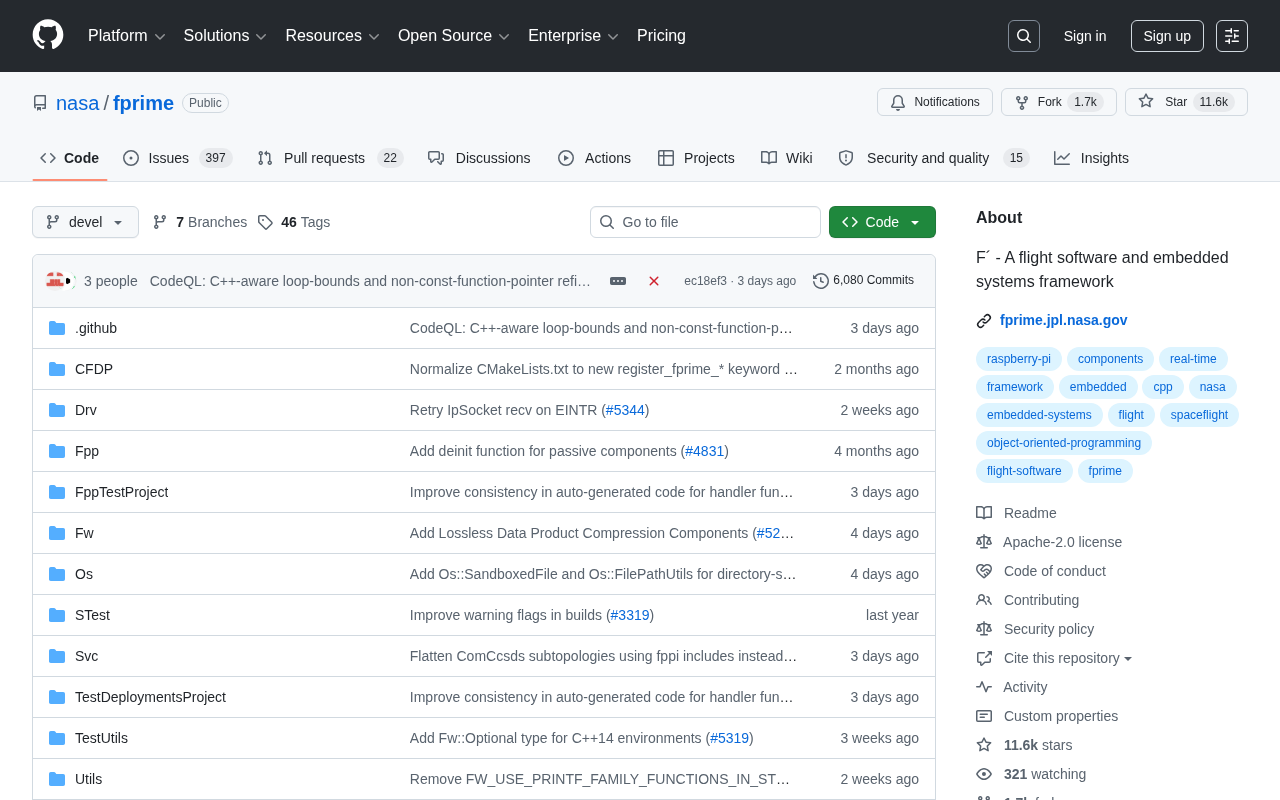
NASA Open-Sources the F´ Framework: A Space-Grade Toolkit for Flight Software and Embedded Systems Development
NASA's JPL open-sourced the F´ (F Prime) flight software framework: C++-based, component-driven, and validated in real space missions. Ideal for CubeSats, drones, and embedded systems, it has over 11,000 GitHub Stars.
Read more →

·3 min
The Cypress End-to-End Testing Framework: Core Advantages and Usage Guide
An in-depth look at the core advantages of the Cypress front-end automated testing framework: fast execution, a simple easy-to-use API, and stable reliable results. Covers architecture, Selenium comparison, and component testing.
Read more →

·4 min
The Complete AI Agent Development Learning Path: From Zero to Enterprise-Grade Practice
A systematic AI Agent development learning path covering fundamentals, prompt engineering, tool calling, multi-agent collaboration, and hands-on practice with LangChain, CrewAI, and Dify.
Read more →

·7 min
Breaking Down the Core Skills of an AI Application Engineer: From Beginner to Industrial-Grade Deployment
Knowing how to call an API doesn't make you an AI engineer. This article breaks down the complete skill structure of an AI application engineer, covering Python fundamentals, LLM fine-tuning, Agent development, and enterprise projects.
Read more →

·4 min
BrowserWing: A Browser Action Recorder That Offers a Pragmatic Approach to AI Web Automation
BrowserWing is an open-source browser action recorder (1300+ GitHub stars) with 78 built-in scripts for GitHub, Bilibili, Zhihu, and more. Record once, run repeatedly, and let AI Agents reliably execute fixed web workflows.
Read more →

·5 min
GPT-5.6 In-Depth Field Test: A Real-World Log After Burning Through $200K
A developer stress-tested GPT-5.6 for six weeks across 67 projects, burning $180K-$240K in inference. Real cases of task persistence, Rust rewrites, autonomous browser control — plus honest frontend and 3D shortfalls.
Read more →

·5 min
Getting Started with LangGraph: Building AI Agent Workflows with Graph Structures
Master LangGraph core concepts: nodes, edges, and routing functions. Learn StateGraph, MemorySaver, and ToolNode through a weather-query Hello World example, and understand how LangGraph relates to LangChain and powers Agent workflows.
Read more →
·4 min
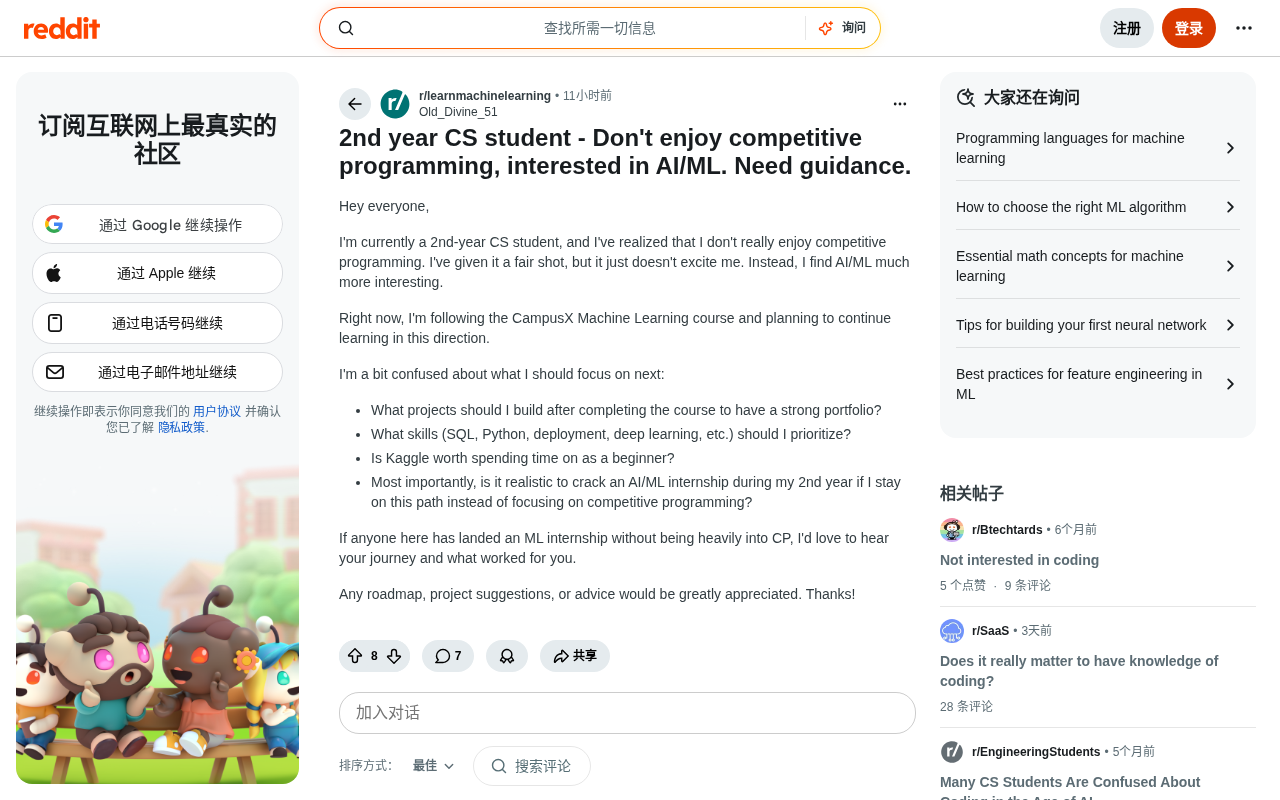
No Competitive Programming Required: How CS Students Can Pivot to AI/ML and Land Internships
How can CS students who dislike competitive programming systematically pivot to AI/ML? This guide covers skill priorities (Python/SQL/ML/deployment), portfolio strategy, Kaggle tips, and real paths to landing AI/ML internships.
Read more →
·4 min
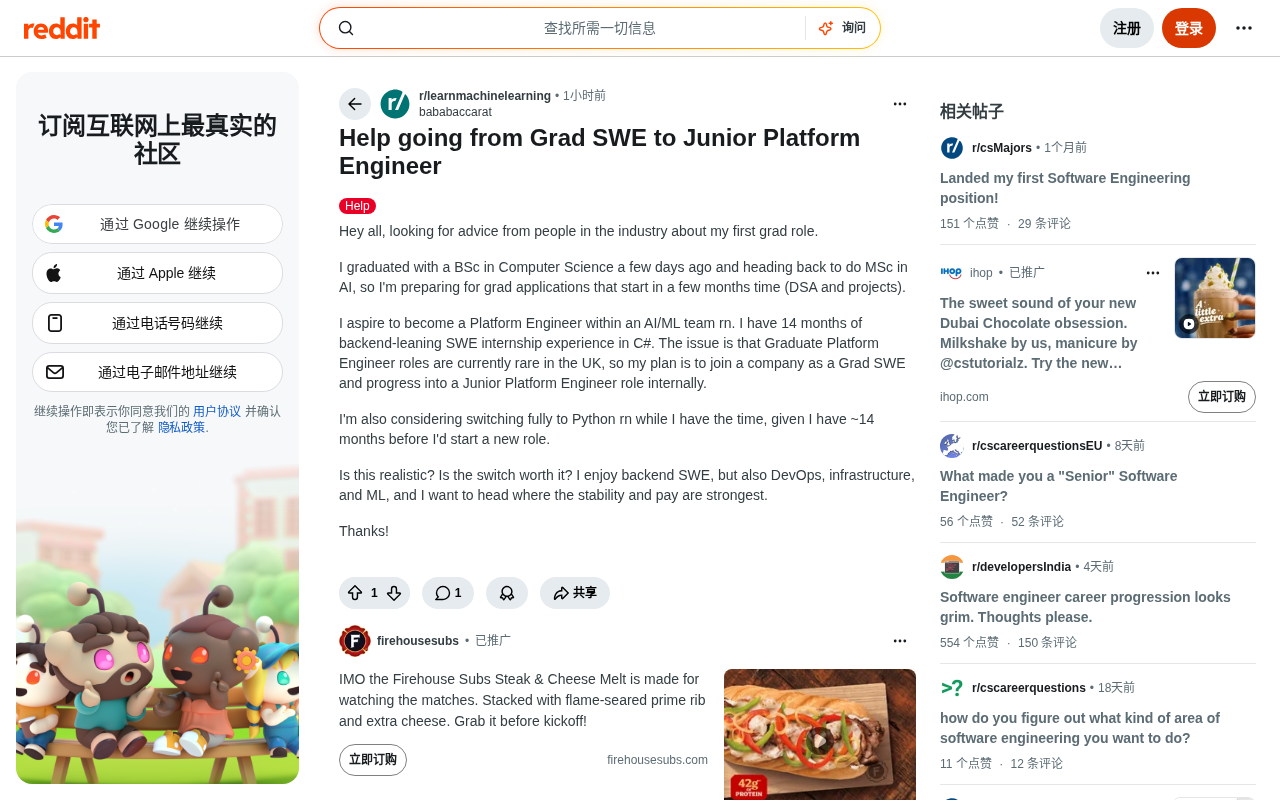
From New Grad SWE to Platform Engineer: Career Paths and Tech Stack Choices in the AI Era
How can new graduates transition from software engineer to platform engineer? This article breaks down the path of joining as a Grad SWE first, then transferring internally, analyzes C# vs Python trade-offs, and offers a 14-month prep plan for AI/ML infrastructure.
Read more →