#deep focus
4772 related articles

·3 min
Python to AI Engineer: A Complete Learning Path from Zero
A systematic guide from Python zero to AI engineer, covering Python basics, NumPy/Pandas data tools, math/statistics, and machine learning—with answers to common questions about DSA, math depth, and learning methods.
Read more →

·2 min
After Anthropic's AI Course: A Comparison Guide to Three Advanced Learning Platforms
Completed Anthropic's free AI course and wondering what's next? This guide compares Udacity, DeepLearning.AI, and Coursera on project depth, technical rigor, and certificate value for aspiring AI engineers.
Read more →

·3 min
How to Do Research in the AI Era: Avoid Outsourcing Your Thinking to Machines
When AI can instantly read papers and generate code, how can researchers avoid cognitive atrophy? This article explores the traps of AI-assisted research and offers practical advice for rebuilding methodology.
Read more →

·4 min
Advancing Your Self-Taught Machine Learning Journey: Three Paths Forward After Completing Foundational Projects
After completing MNIST implementation and paper reproduction, how should self-taught ML learners advance? This article outlines three paths: computer vision, NLP, and math foundations.
Read more →

·3 min
Confessions of a Long-Distance Sailor: Systems Thinking and Risk Management in Solo Voyaging
Exploring systems thinking, risk management, and long-term thinking through a long-distance sailor's confessions. The metaphorical parallels between solo sailing and software engineering.
Read more →

·5 min
The AI Agent Security Crisis: Why Generators Cannot Also Be Validators
Based on real data from Snyk's 4,800 enterprise customers, a deep analysis of three AI agent security pain points: automated attacks, untrusted outputs, and governance blind spots.
Read more →

·3 min
LLM Learning Roadmap: A Three-Phase Practical Guide
A systematic LLM learning roadmap: from Python basics to LangChain & LlamaIndex frameworks, RAG, Agent, and fine-tuning core skills, plus hands-on projects to master LLM app development in 3 months.
Read more →

·2 min
Beef and Dairy Account for 41% of Global Farmland Biodiversity Damage
Research finds beef and dairy production accounts for 41% of global farmland biodiversity damage. Explore how livestock land use drives habitat loss and viable solutions including dietary shifts and alternative proteins.
Read more →

·3 min
Java + AI in Practice: Building an Enterprise-Grade Airline Intelligent Customer Service System
Learn how Java engineers can enter AI application development using Spring AI to build an enterprise-grade airline intelligent customer service system with RAG, Function Calling, and more.
Read more →
·3 min
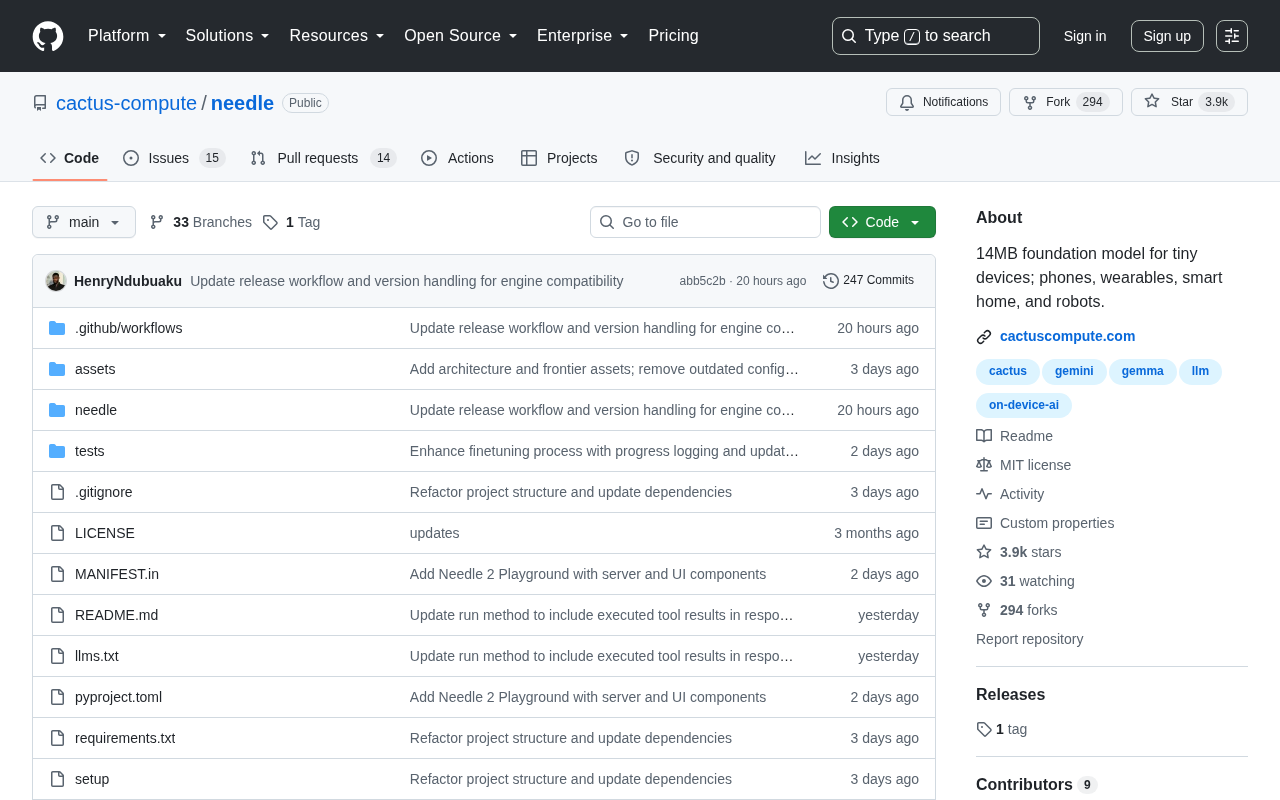
Needle: How a 14MB Foundation Model Is Unlocking Edge AI Deployment
Needle is a 14MB open-source foundation model from cactus-compute, designed for phones, wearables, smart home devices, and robots. Explore its edge AI potential.
Read more →

·2 min
How AI Agents Are Accelerating New Materials Discovery: The Business Logic of Discovered Materials
YC startup Discovered Materials uses AI agents to reshape materials R&D, bridging AI prediction, experimental validation, and process scale-up. Analyzing opportunities and challenges.
Read more →

·2 min
NVIDIA Open-Sources Switchyard: An AI Task Scheduling Engine Built with Rust
NVIDIA-NeMo team open-sources Switchyard, a high-performance AI task scheduling engine built in Rust. Explore its technical positioning, why Rust was chosen, and its strategic role in the NeMo ecosystem.
Read more →

·2 min
Embabel: A Deep Dive into the AI Agent Framework Built for the JVM
Embabel is a JVM agent framework written in Kotlin, enabling Java/Kotlin developers to build AI Agents within their familiar tech stack. A deep analysis of its positioning, technical advantages, and synergy with the Spring ecosystem.
Read more →

·5 min
Harness: The Operating System That Takes LLM Agents from Demo to Production
Deep dive into Harness technology: how context engineering, memory management, and multi-agent architecture transform LLM agents from stochastic demos into stable production systems.
Read more →

·3 min
Gemini Outputs a Stranger's Name: The Privacy Risks Behind AI Memory Features
Google Gemini suddenly output a user's mother's name in conversation, sparking AI privacy debate. We analyze causes from hallucination, memory features, and data crosstalk perspectives.
Read more →

·4 min
Getting Started with LangChain 1.3: Ecosystem Architecture & Agent Development Complete Guide
Complete guide to LangChain 1.3 ecosystem: four core modules (LangChain, LangGraph, DeepAgent, LangSmith), from setup to building your first Agent with tools, prompts & memory.
Read more →

·4 min
6 Must-Do Tasks Before Deploying Enterprise AI Agents: A Complete Guide to Observability + Evaluation
A detailed guide to 6 critical engineering challenges for enterprise AI Agents before production, covering Langfuse-based tracing, observability, evaluation stages, prompt governance, and high-concurrency architecture.
Read more →

·2 min
ChatGPT Desktop Arrives on Linux: Developers Get a Native AI Coding Experience
OpenAI launches ChatGPT Linux desktop preview supporting ChatGPT, ChatGPT Work, and Codex. Linux developers gain native AI-assisted coding, code completion, and project integration capabilities.
Read more →

·2 min
Struggling to Choose a Gemini Model? Analyzing UX Pain Points in the Multi-Model AI Era
Facing Gemini Pro, Flash, Ultra and many variants, users often suffer choice paralysis. This article analyzes AI model naming confusion, information asymmetry, and proposes UX solutions like smart defaults and intent-first design.
Read more →

·3 min
How Long Can Gemini's Free Subscription Windfall Last? Analyzing the Growth Bubble and Renewal Crisis
Google rapidly inflated user metrics by giving away 12-18 months of free Gemini AI Pro subscriptions. Can subsidy-driven growth convert to real paying users? Deep analysis of Gemini's free strategy risks.
Read more →