#multi-agent architecture
1277 related articles
 Deep Dives
·1 min
Factory Missions Architecture Deep Dive: How a Multi-Agent System Runs Continuously for 16 Days
Deep dive into Factory Missions multi-agent architecture: how validation contracts, serial execution, and structured handoffs enable an AI coding system to run 16 days without losing context.
Read more →
 Tutorials
·2 min
LangGraph Multi-Agent Architecture in Practice: A Complete Guide from Single Agent to Enterprise-Level Applications
In-depth guide to LangGraph multi-agent architecture: covering Graph structures, MCP protocol integration, single Agent building to enterprise-level multi-agent collaboration for AI developers.
Read more →
 Tutorials
·4 min
Langmanus Multi-Agent Framework Deep Dive: Architecture Principles and Agent Extension in Practice
Deep dive into Langmanus multi-agent framework architecture, explaining LangGraph orchestration with Coordinator, Planner, Supervisor and execution agents, plus a hands-on guide to adding custom agents.
Read more →
 Deep Dives
·4 min
From Copilot to Agentic AI: A Complete Guide to Multi-Agent Collaboration Architectures
Deep dive into AI's four-stage evolution from Chat to Agentic AI, covering multi-Agent architectures, ReAct framework, and MCP protocol for developers.
Read more →
 Product Reviews
·2 min
Perfect-Web-Clone: A Deep Dive into the Pixel-Perfect Web Cloning Tool Built on Multi-Agent Architecture
Deep dive into the Perfect-Web-Clone open-source project: how its Claude Agent SDK multi-agent architecture and 40+ specialized tools achieve pixel-perfect web cloning beyond Cursor and single-model tools.
Read more →
 Deep Dives
·3 min
Ruflo Open-Source Framework: Claude Multi-Agent Orchestration Platform Architecture and Practical Guide
Deep analysis of Ruflo open-source multi-agent orchestration platform, covering swarm intelligence, RAG integration, Claude Code native support, and comparisons with LangGraph and CrewAI.
Read more →

·2 min
Soloop Review: An AI Agent Company Operating System for Solo Founders
Soloop is an approval-first AI agent OS for solo founders, using AI CEO, CTO, and CMO roles to help indie entrepreneurs go from idea to revenue while retaining decision-making control.
Read more →

·2 min
BrowserOS neo: The Open-Source Tool That Lets AI Agents Control Your Browser
BrowserOS neo is an open-source browser built for AI agents, running locally with your existing credentials. Lets Claude Code, Codex and other AI assistants complete real web tasks on your behalf.
Read more →

·2 min
Crew: A macOS Desktop Pet That Assigns Pixel Monsters to Your Claude Code Agents
Crew is a free macOS app that assigns pixel-style monsters to each Claude Code conversation and subagent, visually showing AI agent status through digging, sleeping, and waving animations with fully local data processing.
Read more →

·1 min
AI Agent Permission Management: Why RBAC Is No Longer Enough
AI agents in production face failure modes RBAC can't cover: entity resolution errors, sub-agent permission escalation, and autonomous destructive actions. A deep dive into identity and permission governance challenges in the agent era.
Read more →

·3 min
Deep Dive into Microsoft's AI Strategy: From Copilot to Autonomous Agents
Deep analysis of Microsoft's AI strategy: from OpenAI investment and Copilot ecosystem to autonomous agents, examining how Microsoft builds full-stack advantages in the tech giant AI race.
Read more →

·4 min
The Self-Building Agentic IDE: The Next Evolutionary Direction for AI Programming Tools
Exploring the Agentic IDE concept: a self-building, self-iterating intelligent development environment. A deep analysis of how AI programming tools evolve from passive assistance to autonomous evolution.
Read more →
·3 min
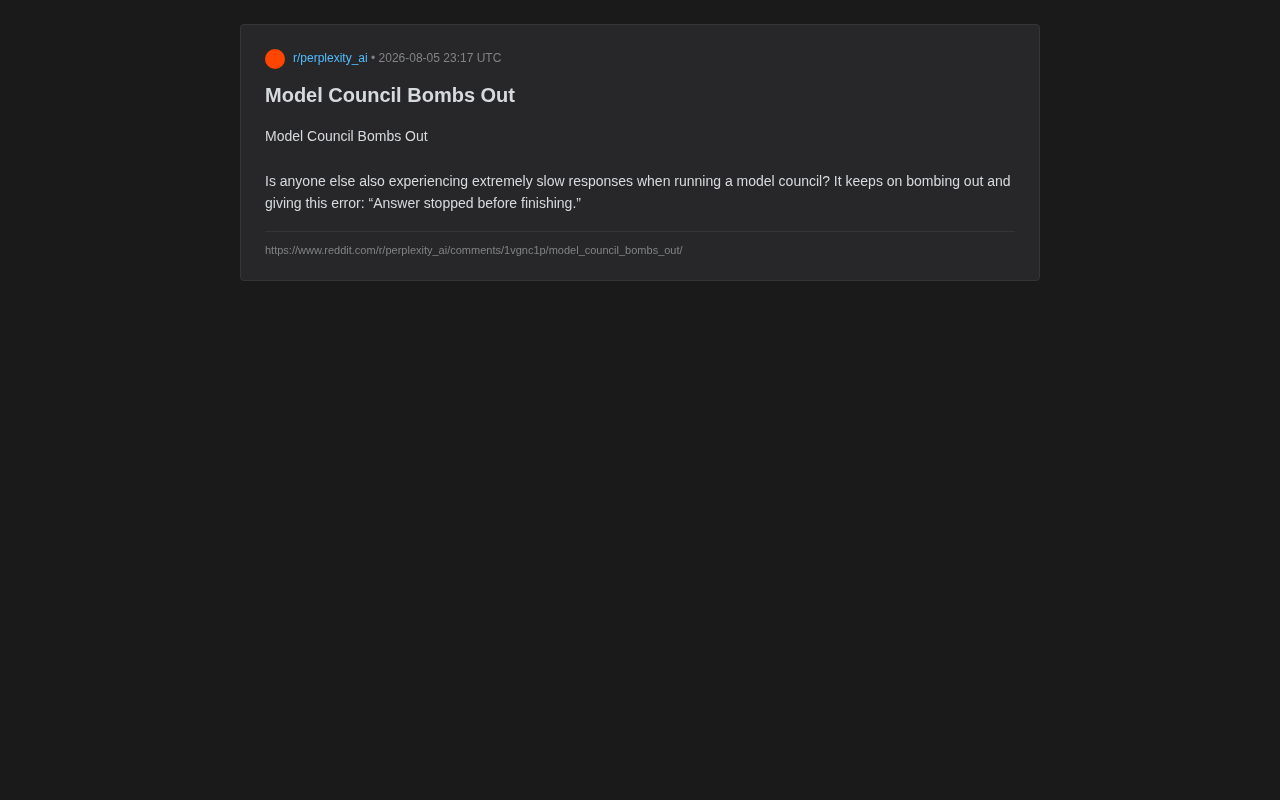
Model Council Frequent Errors: Why Multi-Model Collaboration Is Unstable
Users report Model Council frequently showing 'Answer stopped before finishing' errors and slow responses. This article analyzes technical causes and offers practical solutions.
Read more →

·3 min
Five Giants Including OpenAI Join Forces: AI Agent Interoperability Standards Officially Unified
OpenAI and four competitors agree on unified AI agent standards, addressing interoperability challenges in tool calling and task orchestration. Analysis of implications for developers and enterprises.
Read more →

·3 min
A Complete Guide to AI Agent Observability and Evaluation Tech Stacks
Deep dive into three technical approaches for AI Agent observability and evaluation: LangSmith native integration, open-source self-hosted solutions like LangFuse, and unified platforms like Lyzr.
Read more →

·3 min
Channels SDK: Seamlessly Connect AI Agents to Slack, Teams, and Any Platform
How Channels SDK solves AI Agent channel distribution through a unified middleware abstraction layer, enabling one-time development with multi-channel deployment to Slack, Teams, and beyond.
Read more →

·3 min
Five Local LLMs Built a Small Town, and Emergent Behaviors Included Facebook and a Duck Credit Bureau
A developer lets Mistral, Qwen, Llama and other local LLMs autonomously live in virtual town Pepperton. AI residents spontaneously invent social networks, conspiracy theories, and case law.
Read more →

·2 min
Prime Agent: A Deep Dive into the RLM-Based Self-Evolving AI Agent
Deep analysis of Prime Agent's RLM architecture, exploring how self-improving AI agents achieve continuous evolution through runtime feedback loops.
Read more →

·2 min
Firstmate: Orchestrating AI Agent Team Collaboration Through a Single Entry Point
Deep dive into Firstmate's multi-agent collaborative development model: orchestrating a specialized AI team through a single conversational entry point, covering the full pipeline from requirements to delivery.
Read more →

·3 min
Open Secure AI Alliance Launched: Building AI Safety on an Open-Source Foundation
The Open Secure AI Alliance launches with NVIDIA and other tech giants, building AI agent security through open-source model weights, safety evaluations, and frontier research for industry-wide standards.
Read more →