#open-source reasoning
2990 related articles

·2 min
Semantica: The Open-Source Reasoning Engine That Creates Complete Evidence Chains for AI Decisions
Semantica is an open-source deterministic reasoning engine that builds complete evidence chains for AI decisions using knowledge graphs and W3C PROV standards, with 6000x query acceleration and self-hosted deployment for regulated industries.
Read more →

·3 min
Evaluating Open-Source AI Mathematical Reasoning: Latest Progress and Core Challenges
In-depth analysis of open-source AI models' latest progress in mathematical reasoning, exploring evaluation challenges like data contamination and benchmark saturation, and how formal verification and chain-of-thought methods drive more objective assessment.
Read more →
·3 min
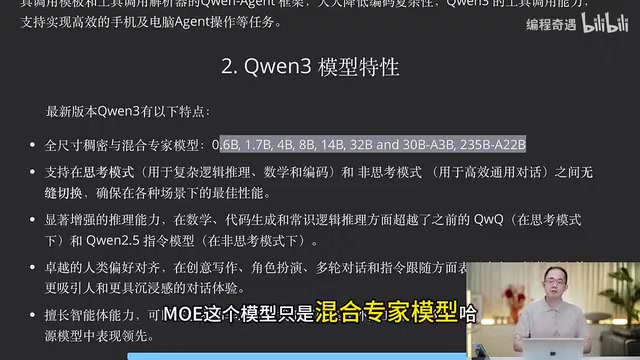
Qwen3 Deep Dive: A Complete Look at the Open-Source Hybrid Reasoning Model
Qwen3 deep dive: 6 Dense & MoE models from 0.6B to 235B, world's first open-source hybrid reasoning model, matching Gemini 2.5 Pro. Complete guide for developers and enterprises.
Read more →

·3 min
Qwythos-9B Hands-On Review: Deploying an Uncensored Open-Source Model That Inherits Claude's Reasoning Abilities
Hands-on review of Qwythos-9B, distilled from 500M+ Claude reasoning traces. Supports 1.04M token context, uncensored, runs on just 4GB VRAM. Full deployment guide included.
Read more →
 Product Reviews
·4 min
GPT-OSS 120B/20B Open-Source Model In-Depth Review: Comprehensive Testing on Hallucination, Reasoning, and Code
Comprehensive review of OpenAI's open-source GPT-OSS 120B and 20B models covering hallucination testing, logical reasoning, code generation, SQL queries, and document analysis with deployment guides.
Read more →
 Tech Frontiers
·3 min
Kimi-Writer: An Open-Source AI Novel Writing Agent Powered by Deep Reasoning
Deep dive into the Kimi-Writer open-source project — an AI novel writing Agent built on Kimi-K2-Thinking with deep reasoning, autonomous planning, and long-form narrative capabilities.
Read more →
 Tech Frontiers
·1 min
Opus-NX: Deep Dive into an Open-Source AI Reasoning Research Platform
Deep analysis of Opus-NX, an open-source AI reasoning research platform featuring persistent reasoning graphs, Graph-of-Thoughts, multi-agent swarms, and MemGPT-style memory.
Read more →

·4 min
Transitioning to AI Agent Development: A Complete Three-Stage Learning Path for Programmers
Why do programmers keep failing at AI Agent development? This guide breaks down a 3-stage learning path: ReAct & Tool Calling fundamentals, LangChain engineering, and production-grade project delivery.
Read more →
·3 min
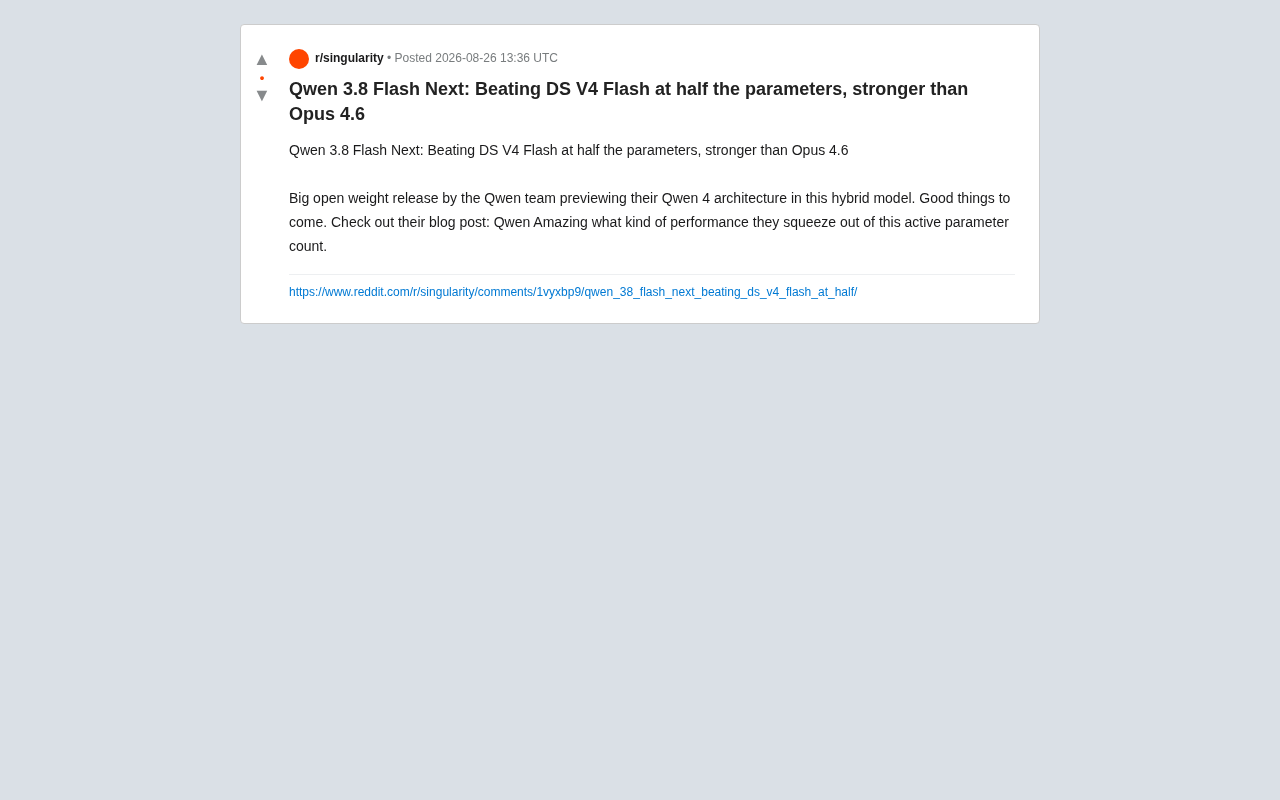
Qwen 3.8 Flash Next Deep Dive: A Hybrid Architecture That Surpasses DeepSeek V4 with Half the Active Parameters
Deep analysis of Qwen 3.8 Flash Next: how its hybrid architecture surpasses DeepSeek V4 Flash with half the active parameters, its deployment value, and what it signals for Qwen 4.
Read more →

·3 min
Cursor Launches Origin Code Hosting Platform: AI Editor Evolves Into a Full-Cycle Development Platform
Cursor launches its self-developed code hosting platform Origin, evolving from an AI editor to a full-cycle development platform. Analysis of its competition with GitHub, data security, and developer ecosystem impact.
Read more →

·2 min
Deep Dive into Antigravity 3.1 Pro's Logic Flaws and Fake Calculation Issues
Analyzing Antigravity 3.1 Pro's reported logic flaws and fake calculation issues, exploring why LLMs struggle with precise computation, and offering practical cross-validation strategies.
Read more →

·2 min
GLM 5.3 Flash Officially Confirmed: Zhipu AI Reveals Ox Alpha's True Identity and Releases Weights
Zhipu AI confirms mysterious model Ox Alpha is GLM 5.3 Flash and announces open-weight release. Analysis of its Flash positioning, strategic implications, and impact on the open-source LLM ecosystem.
Read more →

·3 min
After Being Laid Off by AI, a Programmer Open-Sourced an AI CEO: Who Should the Automation Axe Really Fall On?
A CEO used AI as a reason to fire developers. They responded by open-sourcing an AI CEO, exposing the power bias in automation narratives and who really should be replaced.
Read more →
·3 min
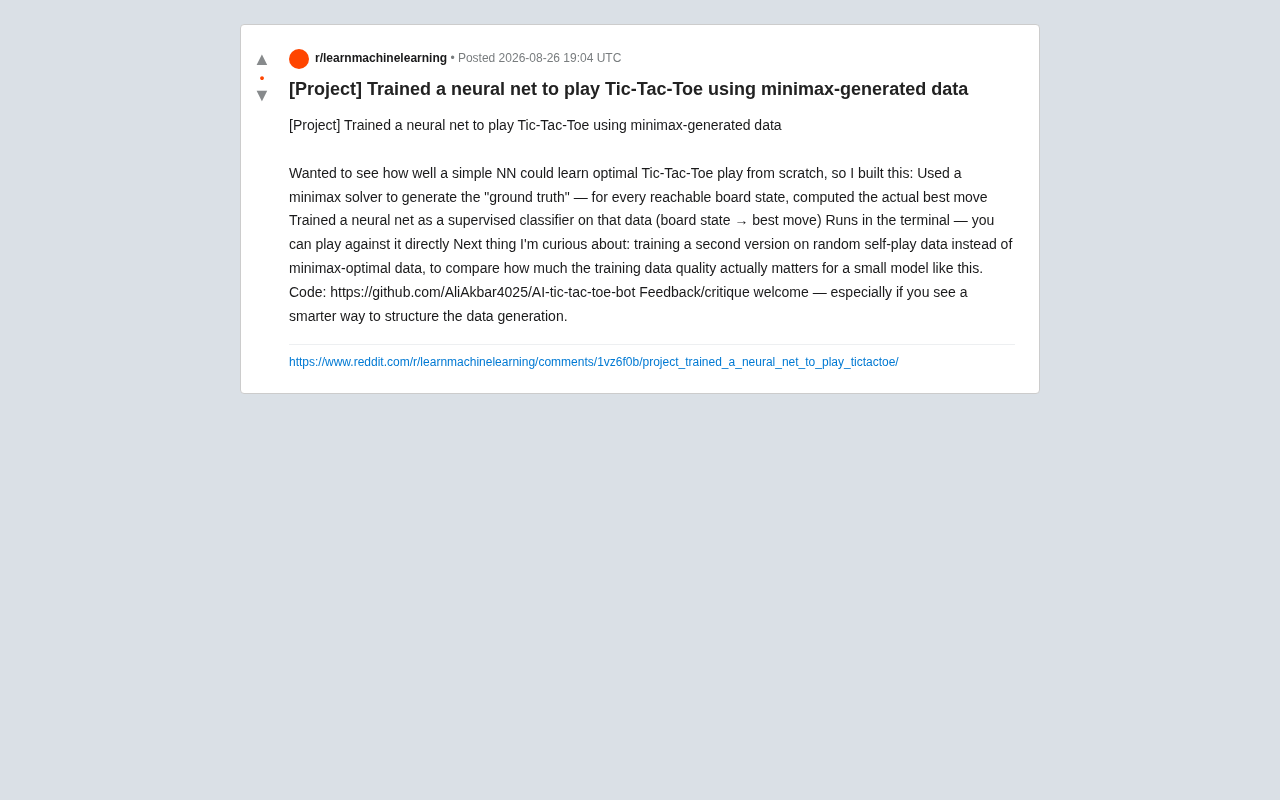
Training a Neural Network to Play Tic-Tac-Toe with Minimax Data: A Data Quality Experiment
Explore how Minimax-generated optimal data trains a neural network to play Tic-Tac-Toe. This article covers knowledge distillation, supervised learning modeling, and how data quality critically impacts small model performance.
Read more →

·3 min
Harness Engineering: A Complete Guide to Enterprise-Level AI Development with Claude Code
A deep dive into Harness Engineering methodology—from Prompt Engineering to Context Engineering to Harness Engineering—with hands-on Claude Code demonstrations of Skill-driven enterprise full-process automated development.
Read more →

·3 min
Coze 3.0 Workflow in Practice: Build an Automated AI Agent in Three Steps
Learn to build AI Agents on Coze 3.0 in three steps: prompt engineering & API calls, RAG knowledge base construction, and multi-agent autonomous decision-making for low-code AI app development.
Read more →

·3 min
The Turbulent AI Era Has Arrived: How to Seize Opportunities and Manage Risks Amid Technological Upheaval
Deep analysis of the turbulent AI era: accelerating tech iterations, career restructuring, regulatory lag, and global competition. How practitioners can seize opportunities and manage risks.
Read more →

·2 min
Why Is AI-Generated Code So Hard to Finish? A Developer's Deep Reflection
AI coding assistants generate code fast, but why can't developers finish AI-suggested implementations? Exploring mental models, psychological ownership, and comprehension debt.
Read more →
·3 min
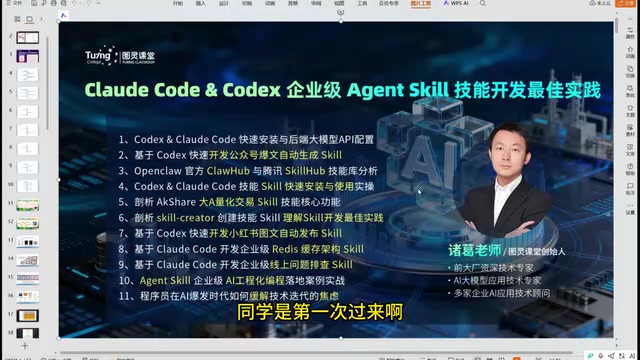
Claude Code Skills in Practice: A Progressive Guide to AI Programming from Writing Code to Writing Skills
A practical guide to Claude Code Skills development covering the three-level progression path, Codex vs Claude Code selection strategy, and enterprise secondary development techniques.
Read more →

·3 min
MCP-Builder.ai: A Managed Platform for Building AI Data Connectors in Minutes Using Natural Language
MCP-Builder.ai lets developers build, host, and secure MCP Servers using natural language, connecting databases, APIs, and apps to Claude, ChatGPT, and Cursor in minutes.
Read more →