#open-source vs closed-source
215 related articles

·3 min
Chinese Open-Source AI Conquers Silicon Valley: The Industry Upheaval Behind a 58% Compute Share
Chinese open-source AI models surged from under 10% to 58% of U.S. market share. Kimi K3, DeepSeek, and Qwen are being adopted by DoorDash, Airbnb, and other Silicon Valley giants, reshaping AI costs and competition.
Read more →

·4 min
Jensen Huang Rallies 20 American Companies Behind Open-Source AI, Mounting Pressure on Closed-Model Approach
Jensen Huang's AI manifesto rallies Microsoft, Meta, Dell & 17 more companies behind open-source AI, challenging closed-model monopolies on pricing, IP, and security.
Read more →

·4 min
Chinese AI Accounts for 58% of US Compute Consumption: How Open-Source LLMs Are Disrupting Silicon Valley
OpenRouter data shows Chinese AI models now account for 58% of US AI consumption. Silicon Valley giants like DoorDash and Airbnb adopt Kimi, DeepSeek, and Qwen, leveraging low cost, high performance, and open weights.
Read more →
·4 min
Chinese AI Accounts for 58% of US Compute Consumption: How Open-Source LLMs Are Disrupting Silicon Valley
OpenRouter data shows Chinese AI models now account for 58% of US AI consumption. Silicon Valley giants like DoorDash and Airbnb adopt Kimi, DeepSeek, and Qwen for their low cost and open-weight advantages.
Read more →

·3 min
Open Source vs. Closed Source: Who Will Win the US-China AI Battle?
Chinese open-source models DeepSeek and Kimi K3 challenge OpenAI's closed-source dominance. Analysis of open vs. closed AI strategies, CUDA moat erosion, and the US-China strategic battle for AI supremacy.
Read more →

·2 min
Behind NVIDIA's Investment in SSI: The GPU Demand Self-Reinforcing Loop and the Superintelligence Gamble
NVIDIA's investment in Ilya Sutskever's SSI reveals a GPU demand self-reinforcing loop, a secretive superintelligence strategy, and the deep entanglement of AI capital and technology.
Read more →

·3 min
Why Anthropic Never Open-Sources Claude: Safety Concerns or Commercial Moat?
Anthropic has never open-sourced Claude's model weights. As OpenAI, Meta, and Google embrace open source, is Anthropic's AI safety stance genuine caution or a commercial moat? A deep dive into the debate.
Read more →

·3 min
The AI Coding Landscape: Model Tiers, Tool Camps, and a Deep Dive into MCP/Skills/CLI
A systematic map of today's AI coding landscape: the evolution from ChatGPT to Claude Code, LLM capability tiers, tool camps like Cursor/Copilot, and the three key weapons of the Agent era — MCP, Skills, and CLI.
Read more →
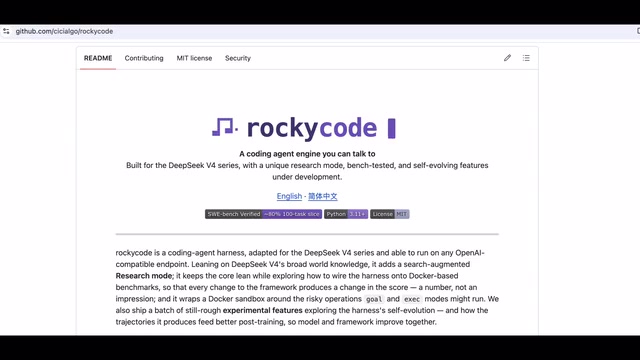
·3 min
Rocky: An Open-Source Coding Agent with Minimal Architecture and Native DeepSeek Integration
Rocky is a minimal, transparent open-source coding agent with a core loop under a few hundred lines of Python, native DeepSeek search, Research mode, and built-in SWE benchmarking for reproducible agent experiments.
Read more →
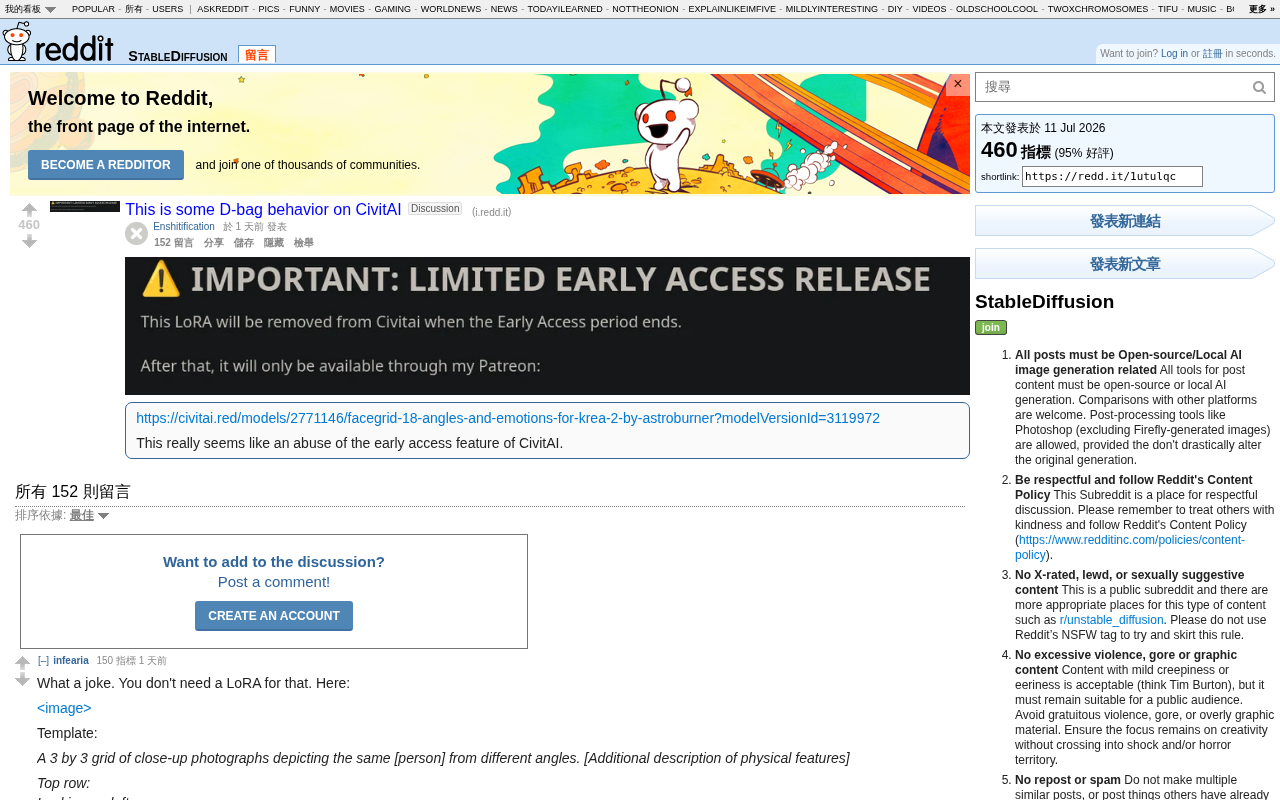
·6 min
The CivitAI Early Access Controversy: Where Is the Boundary Between Open-Source Ethos and Commercialization?
CivitAI's paid "Early Access" mechanism has sparked heated debate on Reddit: should functional models stay locked behind paywalls long-term? An in-depth look at creator monetization, community consensus, and platform responsibility.
Read more →

·2 min
How DeepSeek's Open-Source Free Strategy Is Disrupting the AI Industry
DeepSeek's dual model of commercial profit plus open-source access challenges AI monopolies, wiping over $1 trillion from U.S. tech valuations. A deep dive into its strategy and global impact.
Read more →

·3 min
China's AI Labs Strike Back: Qwen, DeepSeek, and Kimi Reshape the Frontier Model Landscape
Qwen launches a massive open-weight model, DeepSeek V4 priced at $0.0028/M tokens, Kimi K3 hits compute limits — Chinese AI labs are aggressively disrupting OpenAI and Anthropic's frontier model dominance.
Read more →

·4 min
The Rise of Chinese Open-Source AI Models: A Head-On Challenge to Closed-Source Dominance
Chinese open-source models rapidly close the capability gap with top closed-source AI. DeepSeek shocks the industry while Qwen matches global benchmarks.
Read more →

·3 min
Qwen 3.8 Open Source Incoming, DeepSeek Coding Agent, and the Latest in China's AI Ecosystem
Qwen 3.8 open source incoming, DeepSeek Resonics native coding agent debuts, Kimi pauses new subscriptions amid compute pressure, and Qiyimole shows domestic GPU interconnect solution at WAIC.
Read more →

·7 min
Alibaba Open-Sources 2.4T Qwen Model as Chinese AI Sweeps the Global Competitive Landscape
Alibaba open-sources a 2.4 trillion parameter Qwen model and launches the Qwen Token Plan. Chinese models surge, Kimi K3 tops global rankings, and China's AI is reshaping the global competitive landscape.
Read more →

·7 min
From Chat to Agent Platform: A Practical Guide to Engineering AI Applications
A deep dive into engineering AI applications: from a simple chat page to a multi-layer Agent platform, covering RAG knowledge bases, Workflow scheduling, multi-model management, and run tracing.
Read more →
Jellium: An Unofficial Jellyfin Deskto…
·2 min
Jellium: An Unofficial Jellyfin Desktop Client Built with Rust
jellium-desktop is an unofficial Jellyfin desktop client built in Rust, offering low resource usage and high performance. It has surpassed 1,200 GitHub Stars.
Read more →
AstrBot: A Deep Dive into the Multi-Pl…
·2 min
AstrBot: A Deep Dive into the Multi-Platform AI Agent Development Framework
AstrBot is an open-source AI Agent framework supporting WeChat, QQ, Telegram and more, with multi-LLM compatibility and plugin extensibility. Full technical breakdown inside.
Read more →

·4 min
Cross-Platform AI Agent Setup Guide: Breaking Free from Vendor Lock-In for Good
Model performance gaps are closing. Real competitive advantage lies in portable AI agent architecture. Learn how to build a workspace that works across Claude Code, Codex, and beyond — no vendor lock-in.
Read more →

·2 min
AI Model Performance vs. Cost: What Does Top-Tier Intelligence Actually Cost?
A deep dive into performance scores and inference costs of 15 top AI models using the Artificial Analysis Intelligence Index — helping developers and enterprises build a cost-performance framework.
Read more →