#programmer jobs AI
50 related articles
 Industry Insights
·2 min
Three Jobs AI Will Replace First in 2025: What's Next for Customer Service, HR, and Programmers?
In-depth analysis of three jobs AI will replace first in 2025—customer service, HR, and programmers. How intelligent systems, AI recruitment tools, and coding assistants are accelerating displacement.
Read more →

·2 min
If AI Writes All the Code, What's Left for Programmers?
AI coding tools are spreading fast—so where does programmer value lie? This article analyzes three key role shifts: from writer to reviewer, implementer to designer, and lone wolf to coordinator.
Read more →

·5 min
Loop Engineering Explained: The New Programming Paradigm Where AI Prompts Itself
Loop Engineering is a paradigm shift in AI usage. Learn how to build automated loops where agents explore, execute, and verify tasks autonomously, with a hands-on e-commerce case study.
Read more →

·3 min
Getting Started with Codex: The Right Way to Use AI Coding Agents
A detailed comparison of OpenAI Codex and Claude Code with hands-on testing. From AI agent concepts to account setup, helping developers quickly master AI coding agents.
Read more →

·3 min
The Real Impact of AI on Employment: A Rational Analysis Beyond the Hype
How many jobs will AI really replace? This article cuts through doomsday and salvation narratives to rationally analyze AI's actual impact on employment using real signals from hiring trends and productivity shifts.
Read more →

·2 min
How to Choose a Programming Language? A Rational Look at the Truth Behind Language Selection
Java, Python, Go, or a niche language? This article rationally analyzes programming language selection across three dimensions — probability, difficulty, and growth potential — to help you escape language-choice anxiety.
Read more →

·2 min
Give Claude Code a Warcraft Voice Pack: Turning AI Coding into a Gaming Experience
An open-source project adds 43 game voice packs to Claude Code, covering 500+ lines from StarCraft, Red Alert, and Portal, triggered on task completion, authorization prompts, and errors.
Read more →

·3 min
ByteDance Interviewer Deep Dive: How Vibe Coding Is Reshaping Frontend Engineers' Core Competitiveness
A ByteDance interviewer breaks down the 3-layer Vibe Coding interview framework: AI tool awareness, complex product engineering, and a 1-hour full-stack challenge. Architectural thinking wins.
Read more →

·3 min
Programmer to AI Engineer: You're Already 80% There — Here Are the 6 Skills You're Missing
Programmers transitioning to AI engineering aren't starting from scratch. Learn the 6 core skills — LLM APIs, RAG, prompt engineering, LLMOps — needed to make the leap.
Read more →

·3 min
AI Didn't Take My Job — It Made Me Work Two to Pay for Subscriptions
The most authentic worker dilemma of the AI era: not unemployment anxiety, but subscription anxiety. ChatGPT, Claude, Copilot — monthly fees easily top $100. Are AI productivity tools a boost or a new burden?
Read more →

·5 min
Getting Started with AI Agents: Concepts, Architecture, and Core Components Explained
What is an AI Agent? Starting from Bill Gates' claim about the computing revolution, this article explores AI Agents' intuitive concepts, four core components (LLM+Planning+Memory+Tools), and what Agent development means for programmers.
Read more →

·3 min
Getting Started with AI Agent Development: A Complete Learning Path to Building Intelligent Applications from Scratch
AI Agents are reshaping software development with 42.8% market CAGR. Learn the difference between Agents and traditional AI, plus a complete LangChain-based curriculum to launch your career in intelligent agent development.
Read more →

·5 min
28 Enterprise-Grade AI Agent Projects: A Complete Guide That Even Beginners Can Deploy
A collection of 28 fully reproducible enterprise-grade AI Agent projects covering code debugging, financial analysis, customer service, and multi-agent collaboration—deployable even for beginners.
Read more →
·6 min
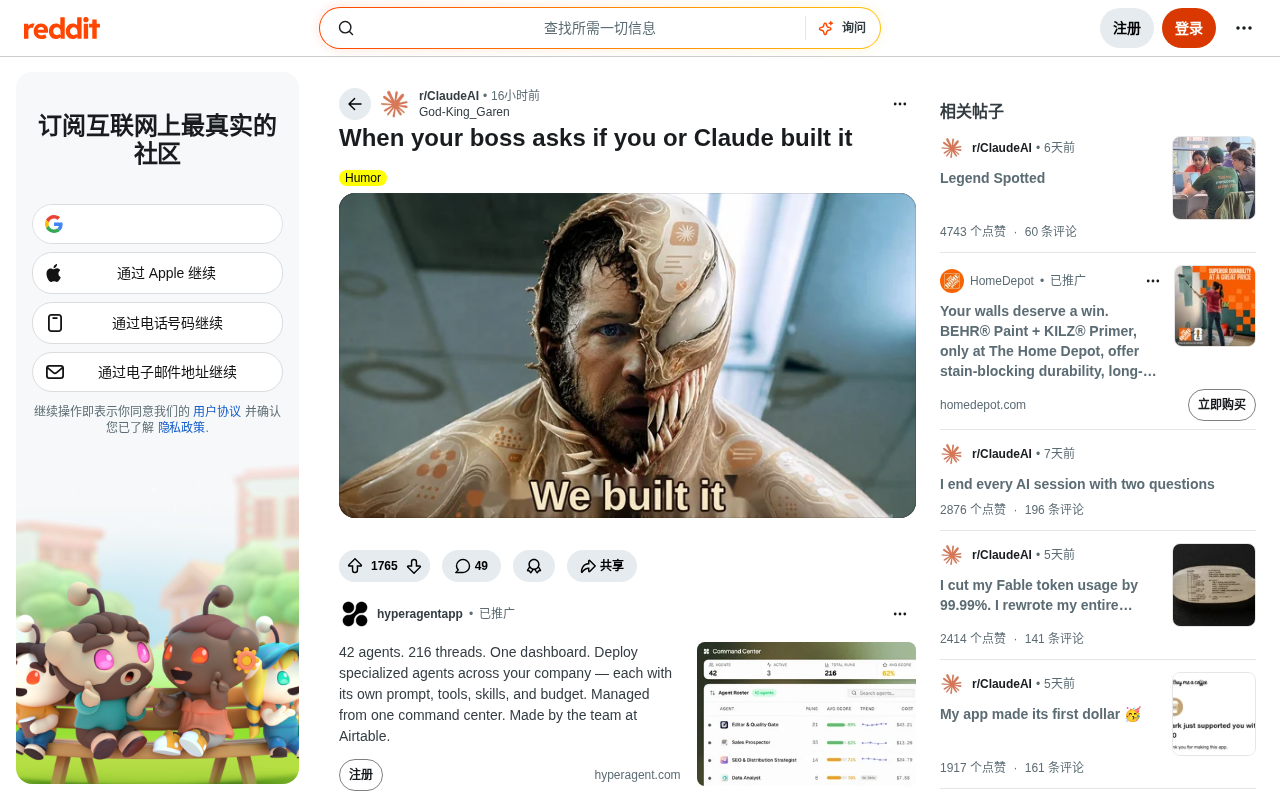
The AI Coding Era: Does Code Written by Claude Count as Yours?
The Reddit meme "did you or Claude build it" struck a chord with developers. This article explores how AI coding assistants reshape workflows, where the boundary of human-AI contribution lies, and how programmers can find irreplaceable value in the AI era.
Read more →

·7 min
From Vibe Coding to Engineered AI Programming: A Practical Guide to Enterprise Development
AI coding tools are changing development, but Vibe Coding hides risks in code quality and maintenance. This article explores Engineered AI Programming, compares Codex and Claude Code, and reveals real enterprise development paths.
Read more →

·6 min
Prompt Engineering in Practice: A Programmer's Core Methodology for Tuning Prompts
An in-depth analysis of prompt engineering from a programmer's perspective: understand token probability generation, master the three principles—specific, rich, low-ambiguity—and learn iterative prompt tuning.
Read more →

·6 min
A Beginner's Guide to AI Agents: How Large Models Are Driving a New Computing Revolution
What is an AI Agent? This article systematically explains the core architecture of AI agents (LLM + Planning + Memory + Tools), how they differ from ChatGPT, their combination with robots, and why developers must master Agent development skills.
Read more →

·5 min
How an MD Is Reshaping Biological Research with AI Codex: A Practical Path to Accelerating the Fight Against Cancer
Immunologist Derya Unutmaz shares how he used OpenAI Codex to build research-grade apps for flow cytometry analysis and CRISPR design, exploring AI-driven digital twins and personalized cancer treatment.
Read more →

·6 min
Does AI Adoption Actually Lead to More Hiring? Explaining This Counterintuitive Phenomenon
Growing data shows companies aggressively adopting AI are actually hiring more. This article explores the overlooked complex relationship between AI and employment through the Jevons Paradox, new job creation, and competitive divergence.
Read more →

·6 min
AI Job Displacement Fears Cool Down: Why Tech Giants Are Collectively Pivoting to the 'Augmentation' Narrative
Silicon Valley tech giants are quietly abandoning the doomsday 'AI destroys jobs' narrative in favor of AI augmentation and human-AI collaboration. A deep analysis of the reality gap, regulatory pressure, and business logic behind this reversal.
Read more →