#shift-left testing
27 related articles
·4 min
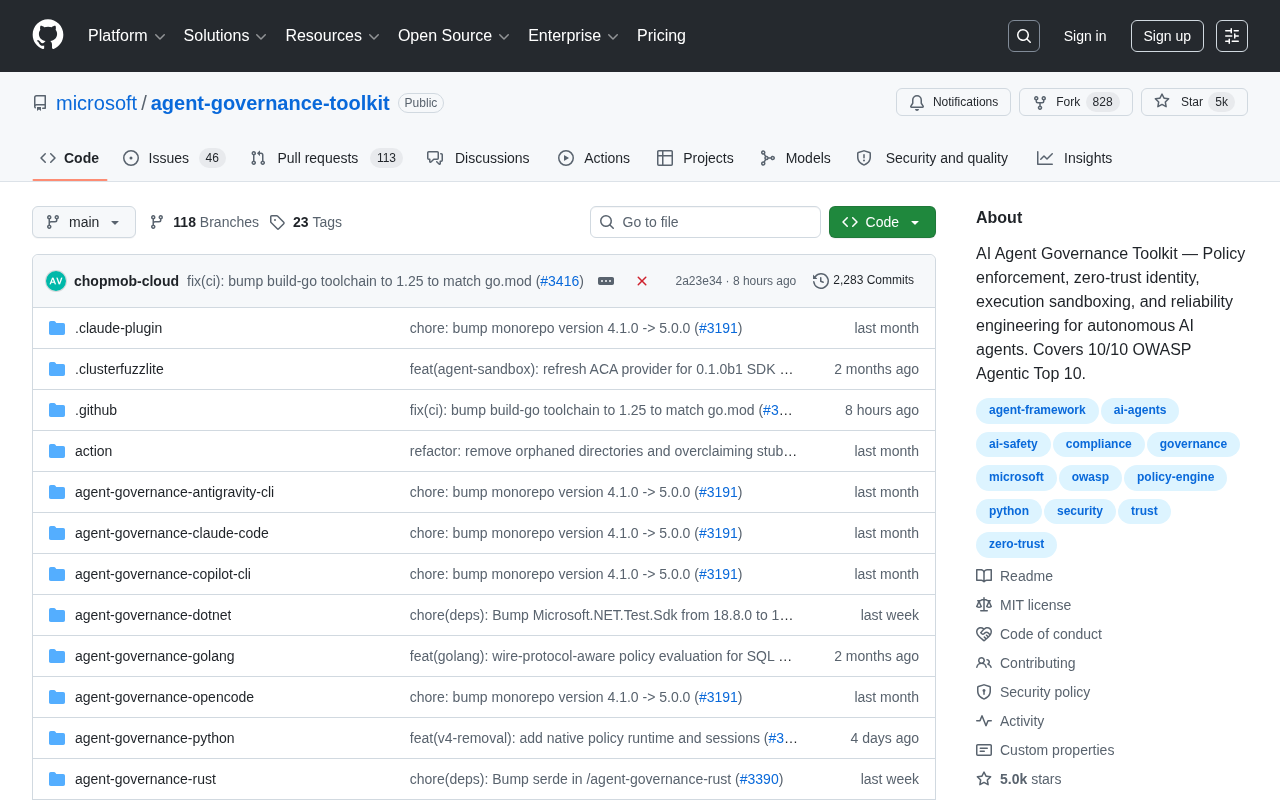
Microsoft Open-Sources AI Agent Governance Toolkit: Comprehensive Coverage of OWASP Top 10 Risks
Microsoft open-sources agent-governance-toolkit covering all OWASP Agentic Top 10 risks through policy enforcement, zero-trust identity, execution sandboxing, and reliability engineering for production AI Agent deployment.
Read more →

·2 min
One ID Card Away from Hacking the FIFA World Cup: A Deep Dive into the Security Vulnerability
A security researcher found a critical auth flaw in FIFA World Cup systems using just one ID. Deep dive into attack surfaces, least privilege, and responsible disclosure.
Read more →

·2 min
LLM Red Teaming: One-Time Snapshot or Continuous Adversarial Testing? A Complete Guide
Every prompt or RAG change in an LLM app can reintroduce security flaws. This guide explains why traditional pentest logic fails on LLMs and how to build change-driven continuous adversarial testing.
Read more →
The Evolution of Coding Agents: A Para…
·2 min
The Evolution of Coding Agents: A Paradigm Shift from Reactive Response to Proactive Planning
Coding agents are evolving from reactive code completers to proactive planners. Explore the "think ahead of time" paradigm, Plan-and-Execute architecture, and its impact on developer workflows.
Read more →

·4 min
AI + Automated Testing: Building an Engine-Agnostic Quality System with Skill + CLI
An in-depth analysis of the AI-driven software testing paradigm: with Skill and CLI as the core hub, supporting both platformized management and digital employees, helping testing teams transform from script writers into capability builders.
Read more →

·5 min
Zero-Dependency AI Decision Record Auditor: A Practical Guide to Building Traceable AI Systems
An in-depth analysis of the zero-dependency decision record auditor: from AI compliance and incident postmortems to human-AI accountability, exploring how 'Governance as Code' enables traceable, transparent AI decision-making.
Read more →

·7 min
GitHub Copilot in Practice: The Capability Boundaries of AI Programming and the Irreplaceable Value of Humans
A developer's real case of building a dental clinic management system with GitHub Copilot and Azure SQL, revealing AI coding limits in cloud security config and how Human-in-the-Loop breaks through.
Read more →

·7 min
21-Day Python Automation Testing Crash Course: A Complete Breakdown of the Three-Stage Learning Path
Learn automation testing from scratch! This article breaks down a three-stage path: Selenium/Appium tools, Requests+PyTest API testing, performance testing and CI/CD, with real projects—build a complete skill set in 21 days.
Read more →

·4 min
AI Coding Security: A CLI Tool Designed to Block Vulnerable Dependencies for Agents
AI coding assistants (Copilot/Cursor/Claude Code) frequently introduce vulnerable dependencies and hallucinate package names. This post analyzes an Agent-native CLI security tool and the shift-left security philosophy for AI-era supply chains.
Read more →

·6 min
Claude Code Chinese Guide: A Complete Path from Zero to an Efficient Workflow
A systematic Claude Code learning guide built for Chinese developers, covering ten core modules including Slash Commands, Memory, MCP, and Hooks, with a three-tier path to build an AI coding workflow in 11–13 hours.
Read more →

·5 min
Why Speed Is the Most Important Quality of Software
Software speed isn't just a performance metric — it's a core feature shaping user experience and trust. Learn how responsiveness drives creativity, flow, and lasting competitive advantage.
Read more →

·6 min
Semi-AI Mode: A Practical Guide to Implementing API Automation Testing
Can't make pure AI work? This guide explores the Semi-AI approach to API automation testing, covering key challenges, enterprise framework design, and how AI and frameworks work together for maximum impact.
Read more →

·6 min
Playwright's Three Test Agents: A Deep Dive into Planner, Generator, and Healer
Playwright's three new Test Agents—Planner, Generator, and Healer—cover the full pipeline from test design to script generation and auto-repair, integrated with VS Code, Claude Code, and more.
Read more →

·6 min
Agent Studio: A Unified Platform for Authoring AI Roles and Skills
Agent Studio unifies AI Agent role definition (Subagents) and Skills on one platform, enabling coordinated orchestration through a shared MCP endpoint, progressive disclosure, and moderated community publishing.
Read more →

·4 min
Getting Started with Software Testing: A Complete Guide to Core Concepts and Classification Systems
A comprehensive guide to software testing fundamentals covering definitions, purposes, classification by phase, technique, and method, plus core concepts like smoke testing and regression testing.
Read more →

·3 min
6 AI Testing Skills Covering the Full Workflow, Boosting Efficiency Several Times Over
6 AI Skills for test engineers: test case generation, PRD-to-XMind, JMeter scripts, Playwright automation, performance reports, and requirement checklists—completing 2-3 days of work in half a day.
Read more →

·2 min
Devin Review Security Audit Feature Explained: How AI Code Review Detects Deep Security Vulnerabilities
Devin Review adds AI security audit to auto-detect auth bypasses, logic flaws & deep vulnerabilities in every PR, with full remediation from finding to fix.
Read more →

·3 min
AI-Driven Zero-Code Automated Testing: A Complete Path from Python Basics to Hands-On Practice
A detailed guide to AI-driven automated testing: from Python basics to PyTest, covering API automation, Playwright UI testing, and AI-assisted coding for beginners.
Read more →

·2 min
Cursor Code Review Agent Upgrade: 3x Faster, 22% Cheaper
Cursor's code review Agent (Bugbot) gets a major upgrade: 3x faster, 22% cheaper, 10% better bug detection. Explore the improvements, the /review command, and the AI code review landscape.
Read more →

·2 min
New v0 Feature: Automatically Detects Secrets in Prompts and Converts Them to Environment Variables
Vercel v0 introduces a security feature that auto-detects API keys and tokens in user prompts and converts them to environment variables, preventing secret leakage.
Read more →