#vectorization training data
152 related articles

·3 min
Java AI Tech Stack Explained: Framework Selection & Learning Path Guide
A complete guide to Java AI development: Spring AI, LangChain4j, Spring AI Alibaba, and AgentScope4j — framework comparisons, selection tips, and a clear learning path.
Read more →

·2 min
Dify × RAG for Beginners: Build Your Own Game AI Assistant from Scratch
Build an AI game assistant from scratch with no coding experience! This hands-on guide walks you through Dify + RAG — from knowledge base setup to agent creation and tuning.
Read more →
Building AI Engineering Skills from Sc…
·2 min
Building AI Engineering Skills from Scratch: A Deep Dive into the Viral GitHub Learning Path
A deep dive into 'ai-engineering-from-scratch,' the GitHub project with 38K+ stars that helps developers build real AI engineering skills through a Learn-Build-Ship methodology.
Read more →

·3 min
Codex Practical Guide: A Complete Roadmap from Beginner to Advanced AI Programming
Master Codex AI programming assistant with this complete guide: CLI setup, slash commands, agents.md governance, MCP protocol, multi-agent systems, and enterprise plugin development.
Read more →

·3 min
AI Agent Interior Design End-to-End Test: From Floor Plan to Presentation Deck via Conversation
Hands-on test of a conversational AI Agent completing a full interior design workflow — from blank floor plan to layout, renderings, storyboard animation, and presentation deck — using only natural language.
Read more →
·5 min
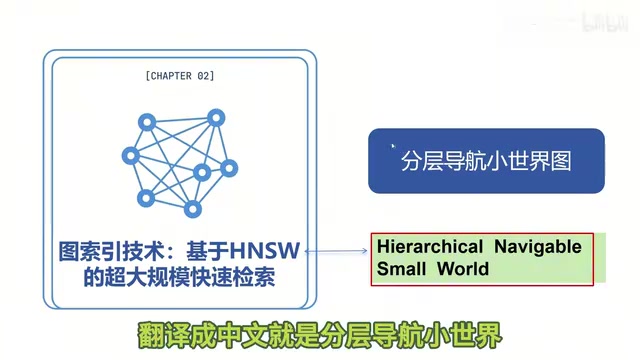
A Deep Dive into Vector Search for AI Agents: The Technical Foundations of RAG and Long-Term Memory
An in-depth look at the core tech behind AI Agents: how the HNSW, IVF, and PQ vector search algorithms power RAG and long-term memory. Understand where a model's "memory" and "knowledge" come from.
Read more →

·2 min
AI Large Model Learning Roadmap: A Complete Five-Stage Guide from Zero to Independent Deployment
A complete 5-stage AI large model learning roadmap — from Python basics and prompt engineering to RAG pipelines, Agent development, and private model deployment.
Read more →

·2 min
Spring AI in Action: A Complete Guide to LLM Integration for Java Developers
Spring AI is Java's answer to LangChain — offering unified multi-model APIs, structured output, RAG, Tool Calling, and MCP protocol support for enterprise LLM development.
Read more →
·3 min
Perplexity AI Deep Dive: The Perfect Fusion of Search Engine and AI Q&A
Deep dive into Perplexity AI: real-time web search + multi-model AI, transparent citations, Focus Modes, PDF chat, and collaborative Collections. Can it replace Google and ChatGPT?
Read more →

·3 min
How to Choose an AI Agent Development Course? 5 Practical Screening Criteria to Avoid Common Pitfalls
How to choose a quality AI Agent development course? This guide covers 5 key criteria: complete delivery pipeline, resume-worthy projects, real engineering perspective, update frequency, and mentorship.
Read more →
Building an Offline RAG App from Scrat…
·3 min
Building an Offline RAG App from Scratch: A Complete Guide to Local PDF Q&A
Learn how to build a fully offline RAG app using Ollama, ChromaDB, and Flask for local PDF Q&A. Covers chunking, vectorization, retrieval, and hallucination prevention.
Read more →

·3 min
Spring AI 2.0 Deep Dive: A Java Developer's Guide to LLM Application Development
A deep dive into Spring AI 2.0: provider-agnostic APIs, RAG with vector databases, and how Java developers can build LLM apps using the Spring ecosystem.
Read more →

·3 min
AI Agent Beginner's Guide: LLMs vs. Agents, and a Full Breakdown of Development Tools
What is an AI Agent? This guide explains the key differences between LLMs and Agents, breaks down the Agent formula (LLM + Workflow + Knowledge Base), and compares tools like Dify, Coze, LangChain, and LlamaIndex.
Read more →

·2 min
LangChain in Practice: Building the ChatDoc Document Chat Application with RAG
An in-depth explanation of RAG (Retrieval-Augmented Generation) principles, with a hands-on guide to loading PDF, Word, and other document formats in LangChain to build a complete ChatDoc Q&A app.
Read more →

·2 min
AI Over-Engineering: A Deep Reflection on Why One Line of Code Becomes a Thousand
A Reddit meme struck a collective nerve among developers: AI coding assistants routinely over-engineer simple tasks—turning one line into a thousand. This article dissects the technical roots of this phenomenon.
Read more →
·6 min
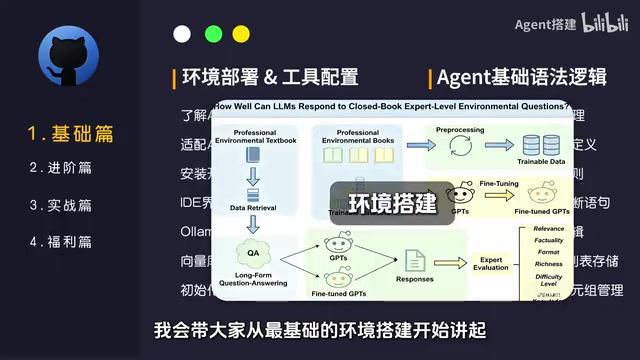
AI Agent Development Learning Path: Four Stages from Zero to Hands-On Projects
A systematic breakdown of the AI agent development learning path, covering four stages: fundamentals, RAG knowledge bases, tool use, multi-agent collaboration, and hands-on projects.
Read more →

·2 min
Decoding the AI Full-Stack Approach: Google's Vertical Integration Strategy from Chips to Applications
Deep analysis of Google's AI full-stack strategy: from custom TPU chips and system software frameworks to Gemini models and applications, examining how vertical integration delivers performance, cost, and autonomy advantages.
Read more →
·6 min
The Eight-Step Method for Agent Development: A Practical Path from Pitfalls to Production
Many enterprises fail at AI Agents due to choosing the wrong tools and lacking methodology. This article outlines an eight-step Agent development method—from cognitive foundations, scenario selection, hand-writing ReAct, and structured output to Tool Use, RAG, evaluation sets, and production fallback.
Read more →
·4 min
Building an Offline RAG Application from Scratch: A Complete Guide to a Private PDF Knowledge Base
A step-by-step breakdown of building a local RAG app: Ollama local models + ChromaDB vector database + Flask, enabling PDF document Q&A, fully offline operation, and zero data leakage. Perfect for developers new to RAG.
Read more →

·4 min
Four Major LangChain Updates: OpenWiki, Voice Agents, and Sub-Agent Orchestration Explained
LangChain releases four major updates: OpenWiki for auto-generating codebase docs, voice agent tutorials, Harbor evaluation integration, and deepagents programmable sub-agents.
Read more →