#virtual store builder
30 related articles

·2 min
Grimoire Launches Codex Pet Feature: A Gamified Twist on AI Programming Assistants
Grimoire launches its new Codex Pet feature, combining AI code generation with gamified pet interactions to create an engaging programming experience for beginners and creators alike.
Read more →

·1 min
Build AI Agents Without Code: A Complete Beginner's Guide to Coze
Coze by ByteDance is a no-code AI agent platform with visual workflows, 60+ plugins, knowledge bases & persistent memory. A complete beginner's guide.
Read more →

·7 min
Claude Code in Action: Building an Embedded Tetris Game with AI in 3 Hours
A hands-on case study: using Claude Code and the LVGL graphics library to build a Tetris game running on an embedded dev board from scratch in under 3 hours.
Read more →
·7 min
Claude Code in Action: Building an Embedded Tetris Game with AI in Under 3 Hours
A hands-on case: using Claude Code and the LVGL graphics library to build a Tetris game running on an embedded board from scratch in under 3 hours.
Read more →

·3 min
Coze Deep Dive: Multi-Agent Collaboration Platform Architecture and Usage Guide
Deep dive into Coze's three core capabilities: multi-person multi-AI collaboration, customizable agents, and cross-platform project management. Covers credits, Dify comparison, and a practical learning path.
Read more →

·3 min
One-Prompt Apps: Demos Are Easy, Shipping Is the Real Test
Is one-prompt app generation really that powerful? We break down three tiers of AI dev tools, expose the gap between demo and production, and compare top domestic platforms including Baidu Miaoda and Ant Lingguan.
Read more →

·2 min
Getting Started with Vibe Coding: Build Apps Without Writing Code
Vibe Coding lets anyone build apps using natural language — no coding required. Learn what it is, which tools to use, and see real stories of non-programmers shipping products.
Read more →

·6 min
OpenAI Merges ChatGPT and Codex: The Super App for the AI Agent Era Is Here
OpenAI merges ChatGPT and Codex into a super app and releases three new GPT-5.6 models: Sol, Terra, and Luna. A deep dive into four hands-on workflows—Computer Use, Loops, and multi-threading—for the AI agent era.
Read more →
·6 min
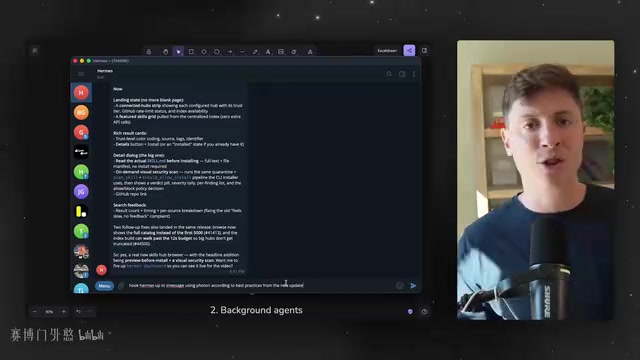
Hands-On With Hermes Agent's Eight Major Updates: A Complete Guide to AI Automation and Self-Evolution
The Hermes Agent gets a major upgrade with eight new features: native iMessage, parallel background sub-agents, Unreal Engine MCP support, a self-evolving Skill Hub, and more. A hands-on breakdown of the core changes and their real impact on personal AI automation workflows.
Read more →

·7 min
Decoding the Government Software Security Executive Order: New Supply Chain Compliance and SBOM Requirements
The new U.S. Executive Order requires government software suppliers to provide verifiable security assurances and mandates the SBOM system. This article analyzes the policy's core demands, real impact on suppliers, and the chain of challenges.
Read more →

·6 min
A 284B Model Running on a MacBook: The Real Breakthrough and Barriers of Local DeepSeek Inference
Redis creator runs 284B-parameter DeepSeek model on a MacBook Pro at 26 tokens/sec using a pure C engine, asymmetric quantization, and MoE architecture.
Read more →

·4 min
The Four Stages of AI Engineering Evolution: From Prompt to Loop Engineering Explained
A systematic breakdown of the four stages of AI engineering: Prompt Engineering, Context Engineering, Runtime Environment Engineering, and Loop Engineering — with core logic, bottlenecks, and real-world use cases.
Read more →

·4 min
AI Programming in Practice: Building a Local Errand-Running Mini Program in 37 Minutes — Full Workflow
Learn how to build a full local errand-running mini program in 37 minutes using AI tools like Stitch, Trae, UniApp, and UniCloud — covering UI design, full-stack development, and cross-platform publishing.
Read more →
·4 min
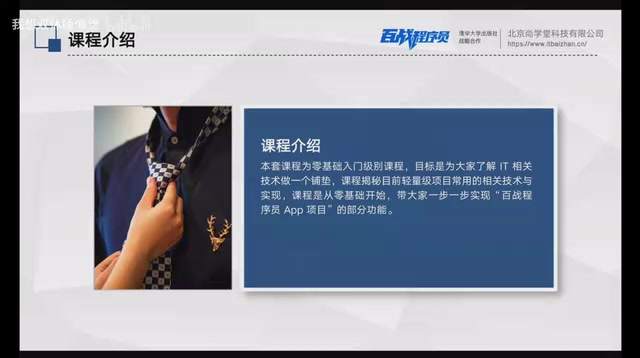
UniApp Beginner Tutorial: Build Multi-Platform Apps with One Codebase
In-depth analysis of a UniApp zero-to-hero APP development course covering HTML, CSS, JavaScript, and UniApp, with project-driven teaching and learning path recommendations.
Read more →

·2 min
The Era of Managed Agents: Anthropic vs. Google's Two Diverging Approaches
Deep analysis of Anthropic vs Google's Managed Agent architectures, pricing strategies, and selection guidance. Managed Agents are emerging as a new AI infrastructure product category.
Read more →

·4 min
AI Engineer Job Search: The Capability Leap from Demo to Production System
AI job demand is surging but companies can't find qualified candidates. Learn the 3 core skills—advanced RAG, local model deployment, and full-stack monitoring—to leap from demo builder to production engineer.
Read more →

·3 min
AI Large Language Model Learning Path: A Three-Step Practical Guide from Zero to Freelancing
A three-step guide to LLM app development: from Prompt Engineering and API calls, to RAG knowledge bases, to Agent development and multi-agent collaboration.
Read more →

·3 min
Vibe Coding in Practice: Building a GPS Check-in App from Scratch with AI — A Complete Walkthrough
A detailed guide to the four-step document-driven Vibe Coding method: from requirements docs to code generation, building a GPS check-in app with AI from scratch.
Read more →

·2 min
Two Major Codex Updates: Remote Mac Control from Phone & iOS Development Without Xcode
OpenAI Codex adds phone-based remote Mac control and iOS Builder plugin. Operate your Mac while locked, preview iOS apps without Xcode, and create a closed-loop dev-test workflow.
Read more →
 Tutorials
·3 min
Andrew Ng's Agent AI Course Fully Explained: Why It's Taking the Tech World by Storm
Deep dive into why Andrew Ng's Agent AI course went viral, covering the five-module agent architecture breakdown, course highlights, target audience, and learning tips for developers.
Read more →