#Android Bench
133 related articles

·4 min
Jensen Huang Joins 50 Silicon Valley Giants to Champion Open-Source Models: How Capital Logic Overrides Political Correctness
Jensen Huang's first-ever tweet backs open-weight AI. 50 Silicon Valley giants oppose banning Chinese open-source models. Deep analysis of the interests behind closed vs. open AI ecosystems.
Read more →

·2 min
The AI Model Race Heats Up: Reasoning Becomes the New Battleground — A Deep Dive into Flagship Model Showdowns
Deep analysis of the AI model race: from parameter competition to reasoning competition, examining tiered reasoning mechanisms, benchmark limitations, and how to rationally interpret model rankings.
Read more →
·6 min
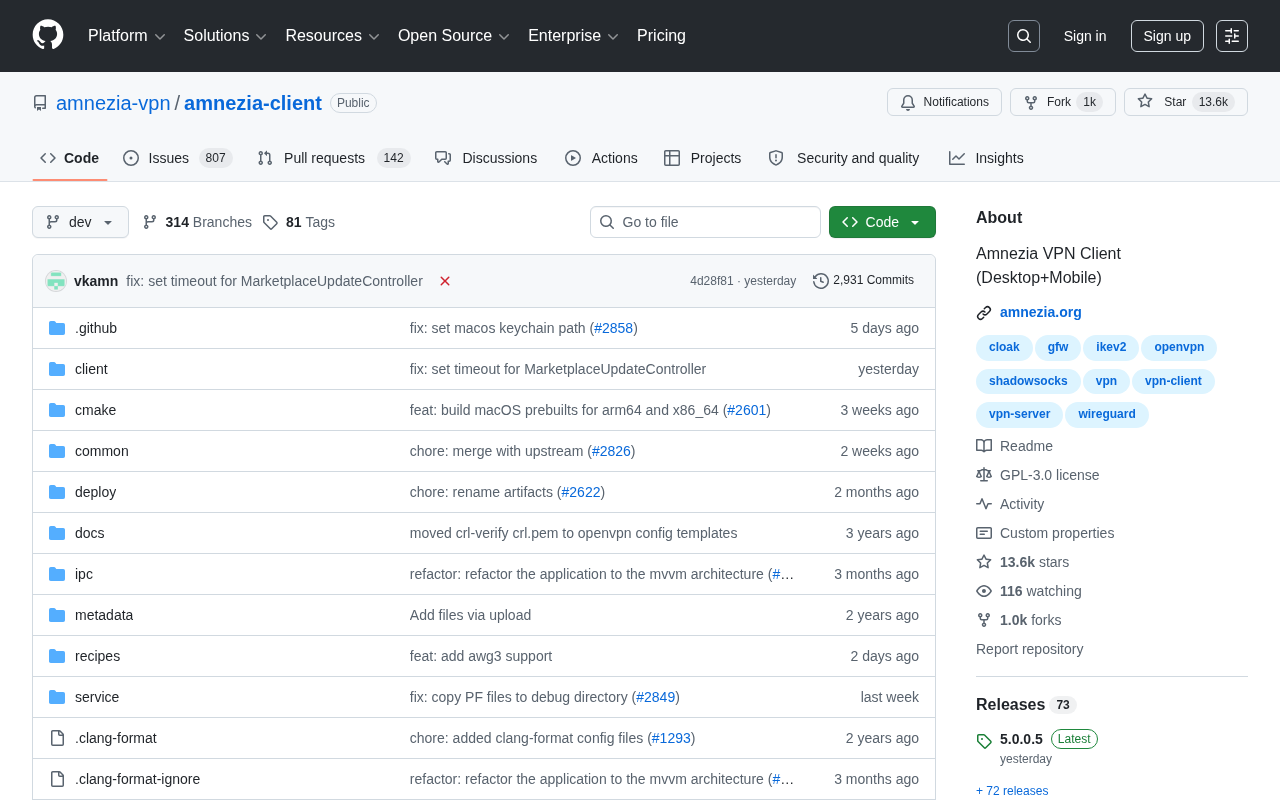
AmneziaVPN Deep Dive: The Open-Source Powerhouse for Self-Hosted, Censorship-Resistant VPN
Deep dive into the AmneziaVPN open-source client: AmneziaWG anti-DPI obfuscation, self-hosted VPS deployment, multi-protocol support, and cross-platform privacy.
Read more →

·3 min
GitHub Daily · July 27: AI Agent Skill Ecosystem Explodes, Claude's Capability Boundaries Keep Expanding
GitHub Trending July 27: AI Agent Skills explode as claude-video, impeccable, and last30days-skill extend model capabilities without modifying models themselves.
Read more →

·4 min
AI Coding Tools in Practice: Which Ones Actually Stuck with the Team?
A 12-person product team shares real-world experiences with Cursor, Codex, Claude Code, and CodeRabbit—exploring efficiency plateaus, scenario matching, and selection criteria for AI coding tools that actually stick.
Read more →

·3 min
Zhipu's Mobile AI Agent Tested: A Full Breakdown of the Cloud Phone Approach — Capabilities and Limitations
Hands-on test of Zhipu's mobile AI Agent: using a cloud phone to bypass permission limits, it supports natural language-driven automation. We cover its core mechanics, real performance, app restrictions, and future potential.
Read more →

·3 min
Kimi K3 Shakes the World: Is Open-Source AI Closing the Gap?
Moonshot AI's 2.8T-parameter open-weight model Kimi K3 rivals Anthropic and OpenAI flagships, sparking a new 'DeepSeek moment' and challenging U.S. AI dominance.
Read more →

·3 min
Claude Code Artifacts Now Open: AI Agent Race Shifts Into High Gear
Claude Code Artifacts opens to Pro/Max users with real-time web deployment. Roundup of AI Agent news: Alipay Abao beta, ByteDance EdgeBench, Microsoft Frontier Company, and OpenAI/Anthropic compute strategies.
Read more →
·2 min
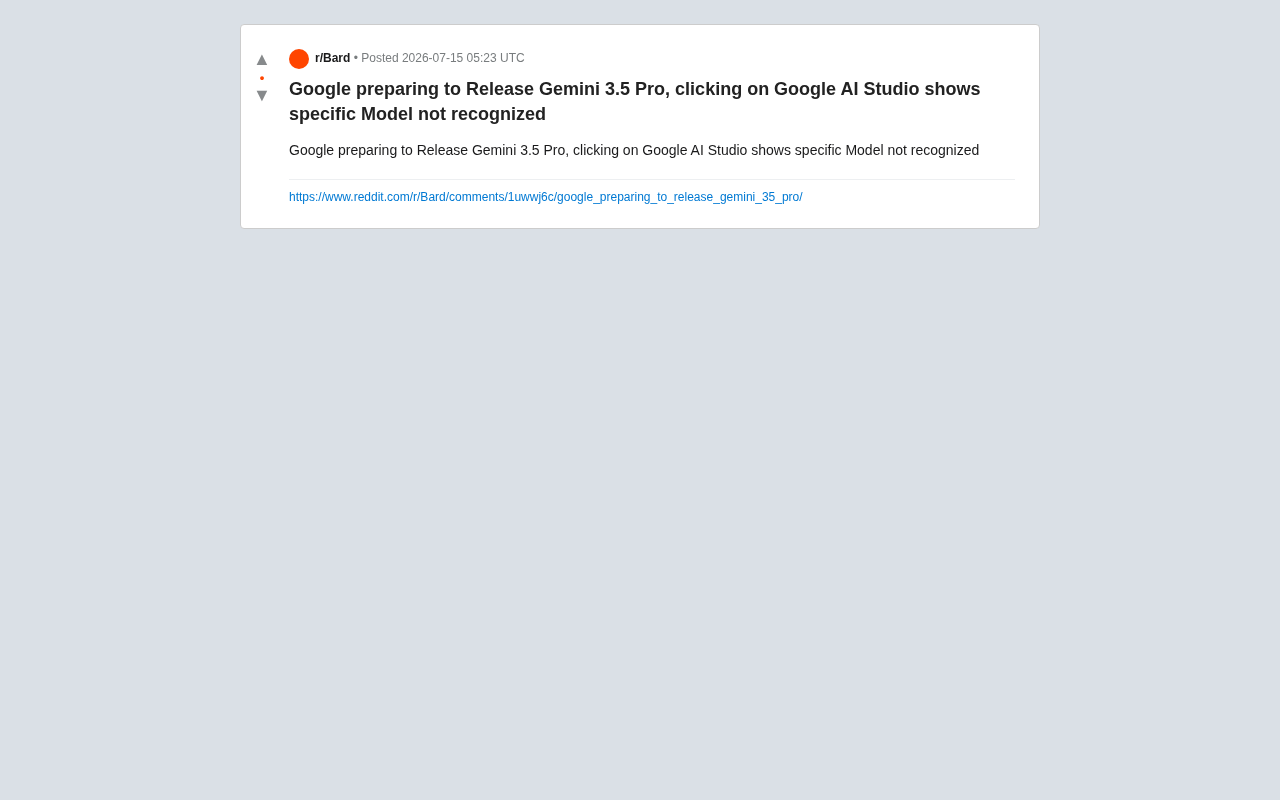
Gemini 3.5 Pro Coming Soon? AI Studio Leaks a Key Clue
A user spotted a suspected Gemini 3.5 Pro model identifier in Google AI Studio, triggering a 'Model not recognized' error. We break down the leak, naming strategy, and what it means for developers.
Read more →

·3 min
A Former Tencent Engineer's Complete Journey Building a 'Decision Paralysis' Mini Program with AI
A former Tencent engineer used CodeBuddy AI to solo-build a 'Decision Paralysis' mini program — from a phone specs spreadsheet to a fully launched WeChat app.
Read more →

·3 min
One-Prompt Apps: Demos Are Easy, Shipping Is the Real Test
Is one-prompt app generation really that powerful? We break down three tiers of AI dev tools, expose the gap between demo and production, and compare top domestic platforms including Baidu Miaoda and Ant Lingguan.
Read more →

·2 min
Exposing the GPT-5.6 Marketing Scam: Are the Sol/Terra/Luna Sub-Models Real Releases or Just a Trap?
Is "GPT-5.6" with Sol, Terra, and Luna sub-models a real OpenAI release? We debunk the viral claims, expose third-party top-up risks, and show how to spot AI scams.
Read more →
·2 min
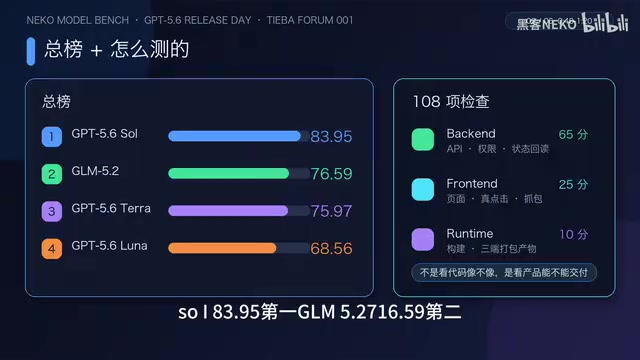
GPT 5.6 Three-Version Benchmark: What Makes Sol, Terra, and Luna Worth the Price Difference?
GPT 5.6's Sol, Terra, and Luna tested across 108 engineering checks. Backend scores tie between Sol and Terra — the real gap is in frontend and packaging delivery.
Read more →

·3 min
Bonsai-27B Extreme Quantization: Running 1-bit LLMs on Consumer Hardware
Bonsai-27B supports binary/ternary extreme quantization for 27B LLMs running on 8GB VRAM. Covers llama.cpp upstream progress, RTX 4060 benchmarks (30 t/s), and real-world limitations.
Read more →
Apple SpeechAnalyzer vs Whisper: Speed…
·2 min
Apple SpeechAnalyzer vs Whisper: Speed, Accuracy, and Privacy — A Comprehensive Comparison
Apple's WWDC 2025 SpeechAnalyzer API runs fully on-device with zero latency and no cost. We compare it against OpenAI Whisper on accuracy, speed, privacy, and cross-platform support.
Read more →

·2 min
Anthropic's Repeated Fable Delays: Compute Bottleneck or Marketing Tactics?
Anthropic's Fable model keeps getting last-minute access extensions, sparking Reddit backlash. We break down the compute constraints, competitive pressure, and scarcity marketing at play.
Read more →
6 Months Left for Open Source AI? A De…
·2 min
6 Months Left for Open Source AI? A Deep Dive into the Survival Crisis and the Path Forward
Is open source AI really running out of time? This deep dive examines the compute gap, capability lag, and licensing risks threatening open source LLMs — and the paths forward.
Read more →

·3 min
pgrust: Rewriting Postgres in Rust — 100% Regression Tests Passing
pgrust is an open-source project rewriting PostgreSQL entirely in Rust, claiming 100% regression test passage. This article analyzes the technical motivation, implementation approach, and key challenges.
Read more →

·3 min
Vivo's India Joint Venture: A New Blueprint for Chinese Smartphone Brands Going Local
Vivo's India JV signals a new era for Chinese smartphone brands. We analyze the strategic logic, geopolitical context, and what it means for OPPO, Xiaomi, and India's manufacturing ambitions.
Read more →

·5 min
How Does AI Conquer Imperfect Information Games? A Deep Dive into Tactico
Chess and Go have been conquered by AI, but imperfect information games with hidden data are the true frontier. This article dives deep into Tactico: how imitation learning + self-play RL train AI toward Nash equilibrium.
Read more →