#ChatGPT Linux desktop
73 related articles

·2 min
ChatGPT Desktop Arrives on Linux: Developers Get a Native AI Coding Experience
OpenAI launches ChatGPT Linux desktop preview supporting ChatGPT, ChatGPT Work, and Codex. Linux developers gain native AI-assisted coding, code completion, and project integration capabilities.
Read more →

·2 min
ChatGPT Linux Desktop Client Officially Released: The Final Piece of the Developer Ecosystem Puzzle
OpenAI officially launches ChatGPT Linux desktop client, completing mainstream OS support. Analysis of why it took so long, advantages over web version, and impact on AI developer ecosystem.
Read more →

·4 min
Oh-My-Pi Deep Dive: A Comprehensive Review of the Programming Agent with Built-in LSP and Debugger
In-depth review of Oh-My-Pi programming agent: hashline editing, built-in LSP workspace refactoring, real debugger, voice interaction, and collaboration features compared to Pi's design philosophy.
Read more →

·3 min
Termexo: A Local AI Coding Workbench for Windows, Integrating Claude Code and Codex
Termexo is a local AI coding workbench for Windows that integrates Claude Code and Codex agents, offering multi-terminal grid layouts, session recovery, approval notifications, and model switching—no account required.
Read more →

·4 min
Tiling Window Management: A New Interaction Paradigm for Multi-Agent Conversations
Exploring tiling window management for multi-agent AI conversations: how it solves parallel monitoring and observability challenges, real-world limitations, and the evolution from chat boxes to control consoles.
Read more →

·3 min
ChatGPT Autonomous Ticket Hunting in Action: AI Agent Auto-Monitoring and Ticket Purchase Demo
Demo of ChatGPT Work as an AI Agent autonomously browsing AMC's website for IMAX tickets, setting hourly auto-checks for cancellations, and sending notifications.
Read more →

·2 min
OpenCode: The Complete Guide to the Open-Source Coding Agent Chosen by 8 Million Developers
OpenCode has become the world's most popular open-source coding agent—8M monthly active developers, 75+ model providers, and custom sub-agent routing. This deep dive covers its core features, config tips, and business model.
Read more →

·3 min
OpenAI Releases GPT-5.6 and ChatGPT Work: The Era of Autonomous AI Has Arrived
OpenAI launches GPT-5.6 (Sol, Terra, Luna), ChatGPT Work, a new desktop app, and Sites hosting. AI evolves from a Q&A tool into an autonomous work partner for finance, file management, and more.
Read more →

·3 min
GPT-5.6 Released: How Multi-Agent Workflows Are Ending the Chat Box Era
OpenAI releases GPT-5.6 with Sol, Terra, and Luna models plus ChatGPT Work execution environment, shifting AI from chatbots to autonomous multi-agent workflows that directly operate local files and business systems.
Read more →

·6 min
The Complete Codex Guide: From Beginner to Pro with the All-in-One AI Assistant
OpenAI Codex is more than a coding tool—it's an AI agent that writes code, makes slides, and operates browsers. This guide covers its four versions, permission modes, plugins, automation, and six best practices.
Read more →

·3 min
Dify Getting Started: A Complete Zero-to-Production Guide for Building AI Applications
A complete guide to Dify — covering deployment, five core app types (chatbot, Agent, workflow, and more), LLM integration, and publishing for zero-experience developers.
Read more →

·2 min
ROS2 for Beginners: The Essential Framework for Robot Development
A complete introduction to ROS2 for beginners: what ROS is, how ROS1 and ROS2 differ, and how to choose the right version to kickstart your robot development journey.
Read more →

·2 min
Getting Started with ROS2: What Is a Robot Operating System, and How Does It Differ from ROS1?
A beginner's guide to ROS2: what ROS really is (an SDK, not a traditional OS), how ROS1 and ROS2 differ, and how to choose the right version to start robot development.
Read more →

·2 min
ROS2 Beginner's Guide: A Deep Dive into the Core Middleware for Robot Development
Learn ROS2 from scratch: understand how ROS differs from traditional OS, explore ROS1 vs ROS2 differences, and master version selection principles for robot development.
Read more →

·3 min
Free Claude Opus 4.6 Access: Complete Guide to Connecting Antigravity via CLIProxyAPI
Use CLIProxyAPI to connect Antigravity's free models to Claude Code, Cline, and more. Access Claude Opus 4.6 Thinking and Gemini 3 Pro at zero cost. Full setup guide included.
Read more →
·3 min
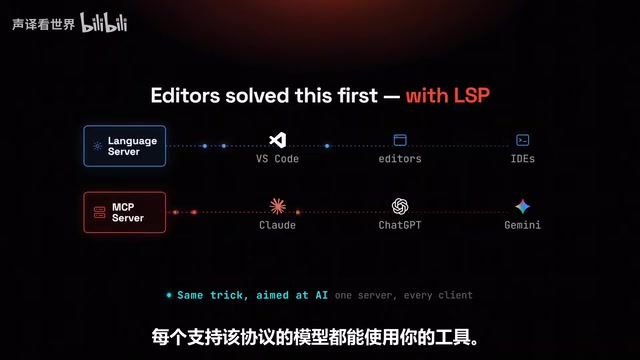
Build an MCP Server in 10 Minutes: Let AI Call Your Code Directly
MCP (Model Context Protocol) is the open standard for AI tool integration. Build your own MCP server with ~20 lines of Python. Learn tools, resources, prompts, and both local and remote deployment.
Read more →
·3 min
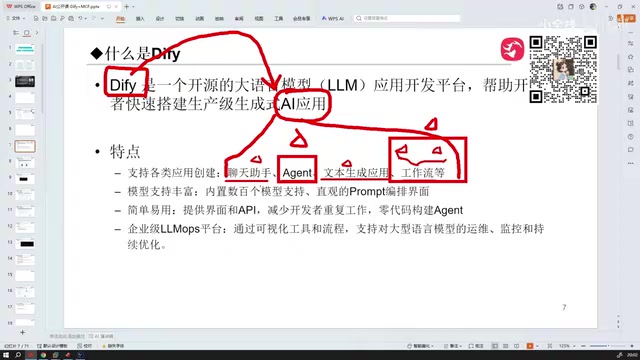
Getting Started with Dify: A Complete Guide to Building Enterprise-Grade AI Apps with Low-Code
A complete guide to Dify, the low-code AI app platform: five app types, multi-model setup, Docker deployment, and enterprise data security. Build LLM-powered workflows and Agents at minimal cost.
Read more →

·3 min
GPT-5.6 and ChatGPT Work Launch: AI Evolves from Conversational Assistant to Task Executor
OpenAI launches the GPT-5.6 family (Sol/Terra/Luna), ChatGPT Work, a new desktop app, and Hosted Sites — marking AI's evolution from Q&A assistant to autonomous task executor.
Read more →

·2 min
ChatGPT Work Officially Launches: How GPT-5.6 Reshapes the Way You Work
OpenAI launches ChatGPT Work and the GPT-5.6 model family—Sol, Terra, and Luna. From financial analysis to local file processing and interactive site generation, AI moves from answering questions to getting work done.
Read more →

·3 min
GPT-5.6 Launches with Three Models: Sol/Terra/Luna and ChatGPT Work Reshape How We Work
OpenAI launches the GPT-5.6 family—Sol, Terra, and Luna—alongside ChatGPT Work, a new desktop app, and Sites. AI evolves from a chat tool into a true productivity partner, completing financial analysis, presentations, and cross-platform collaboration in one operation.
Read more →