#Chrome DevTools Protocol
82 related articles

·4 min
AI Agents Automating JS Reverse Engineering: A Deep Dive into the New Paradigm for Web Scraping
AI agents are revolutionizing JS reverse engineering. This deep dive covers built-in tool chains, automation modes, prompt engineering for e-commerce, and full pipeline automation from parameter extraction to database storage.
Read more →

·5 min
Hands-On with PageAgent: Add AI Agent Capabilities to Web Pages with a Single Line of Code
In-depth hands-on review of Alibaba's open-source web automation tool PageAgent: three integration methods, script execution analysis, and a full breakdown of current limitations. Add AI Agent capabilities to web pages with one line of JS.
Read more →

·4 min
BrowserWing: A Browser Action Recorder That Offers a Pragmatic Approach to AI Web Automation
BrowserWing is an open-source browser action recorder (1300+ GitHub stars) with 78 built-in scripts for GitHub, Bilibili, Zhihu, and more. Record once, run repeatedly, and let AI Agents reliably execute fixed web workflows.
Read more →

·3 min
GPT-5.6 Three-Model Hands-On Test: A Complete Comparison of Sol, Terra, and Luna
An in-depth hands-on test of the GPT-5.6 series' three models—Sol, Terra, Luna—compared with Fable and Sonnet 5. Sol wins overall at nearly half the price. Full analysis of prototyping, code debugging, and browser use.
Read more →

·5 min
Browser Use: A Deep Dive into the Event-Driven Browser AI Agent Framework
Browser Use is an open-source AI Agent framework that lets LLMs autonomously drive browser operations via natural language. This article breaks down its four-layer architecture, core Agent loop, CDP perception layer, dynamic Tools dispatch, and its Skills, Sandbox, and MCP extension capabilities.
Read more →

·6 min
GPT-5.6 Hands-On Deep Dive: ChatGPT and Codex Merge, Full Analysis of the Sol Model
GPT-5.6 is officially released, merging ChatGPT and Codex into one app and launching the three-tier Sol, Terra, and Luna models. A detailed breakdown of 16 hands-on tests plus Worker mode and Codex dev upgrades.
Read more →

·6 min
Playwright E2E Builder: Engineering AI-Driven Web Automation Testing
Playwright E2E Builder is an AI Skill installed in Cursor that transforms UI automation from throwaway scripts into sustainable engineering assets through a four-step workflow, with built-in locator health checks.
Read more →

·3 min
Fortress: The Stealth Browser Built for AI Agents to Bypass Anti-Bot Detection
Fortress is an open-source stealth Chromium built for AI Agents. It eliminates automation fingerprints to bypass Cloudflare and other anti-bot systems.
Read more →

·2 min
Chrome DevTools MCP: Giving AI Coding Assistants True Browser Vision
Google Chrome's official chrome-devtools-mcp uses MCP to expose DevTools capabilities to AI coding assistants like Claude and Cursor, enabling screenshots, console reading, and network analysis.
Read more →
·7 min
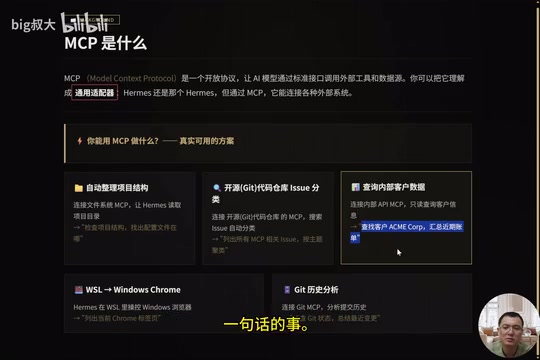
Connecting Hermes Agent to MCP: One Protocol to Unify All External Systems
Learn how to extend Hermes Agent's external system capabilities via MCP (Model Context Protocol): setup, whitelist permissions, WSL-to-Chrome bridging, and multi-server orchestration for AI Agent developers.
Read more →

·2 min
Cursor + Mobile App Autotest: Engineering Mobile Automation Testing in Practice
Struggling with mobile automation testing? This article breaks down Cursor + Mobile App Autotest Skill: 8-step workflow, Android/iOS unification, and quality gates to help QA engineers level up.
Read more →

·6 min
Playwright's Three Test Agents: A Deep Dive into Planner, Generator, and Healer
Playwright's three new Test Agents—Planner, Generator, and Healer—cover the full pipeline from test design to script generation and auto-repair, integrated with VS Code, Claude Code, and more.
Read more →

·3 min
GitHub Daily · July 4th: The Agent Skills Ecosystem Explodes
GitHub Trending July 4: The AI Agent ecosystem explodes across specs, frameworks, and apps — from agentskills to Vibe-Trading, a full Agent tech stack emerges.
Read more →

·3 min
GitHub Daily · July 3: AI Penetration Testing Tops the Charts, Claude Code Ecosystem in Full Bloom
GitHub Trending July 3: AI pen testing tool strix tops the chart, Claude Code ecosystem explodes with Skills, Agents, and plugins reshaping development.
Read more →

·4 min
Kimi Agent Cluster in Practice: One Person Commanding 300 AIs to Collaboratively Build a Website
Deep dive into Kimi Work Agent cluster's three collaboration architectures, with a hands-on demo of 300 AI agents building a website in parallel, covering requirements breakdown, multi-Agent coding, and auto-deployment.
Read more →
·3 min
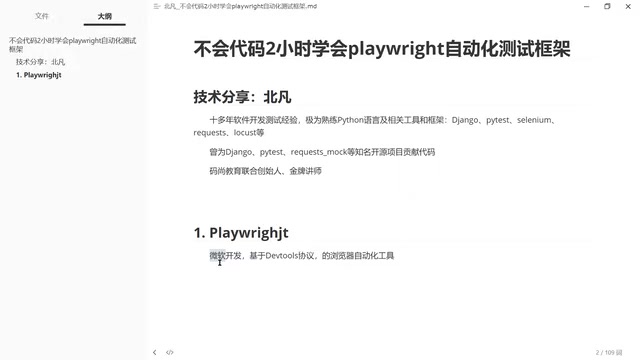
Playwright vs Selenium: Why More People Are Switching to Playwright
In-depth comparison of Playwright vs Selenium: DevTools protocol speed advantages, async support, smart locators, and AI/MCP integration to help you choose the right Web automation tool.
Read more →

·2 min
AI-Powered Playwright: A Beginner's Guide to Zero-Code Web Automation Testing
Compare Playwright vs Selenium, explore Playwright's DevTools Protocol speed advantages, smart locators, and AI integration via MCP for zero-code web automation testing.
Read more →

·3 min
Playwright vs Selenium In-Depth Comparison: A Test Automation Tool Selection Guide for the AI Era
In-depth comparison of Playwright vs Selenium covering DevTools Protocol, async performance, smart locators, and AI MCP integration to help you choose the best automation testing tool.
Read more →

·4 min
Chrome DevTools MCP Hands-On: Using AI to Automatically Control a Browser, Write Articles, and Publish Them
Hands-on test of Chrome DevTools MCP with Claude Code: AI automatically opens a browser, writes an article, fills in tags, and publishes — full workflow breakdown with pros and cons analysis.
Read more →

·3 min
AI-Powered Playwright: A Practical Guide to Zero-Code Web Automation Testing
Explore Playwright's core advantages including DevTools Protocol architecture, smart locators, and high-concurrency support, plus how to achieve zero-code automation testing with AI via MCP.
Read more →