#ControlNet
92 related articles

·4 min
Eight Text-to-Image Models Compared: Which Excels at Realism, Ghibli, and Anime Styles
A comprehensive comparison of eight mainstream text-to-image models including Krea2, Flux2, and Qwen Image, covering realistic portraits, Ghibli, 3D anime, and Japanese anime styles.
Read more →

·3 min
AI-Generated D&D Fantasy Character Portraits: A New Creative Tool for Tabletop Gamers
AI image generation is transforming how D&D and tabletop gamers create characters. From character consistency to atmospheric detail, new diffusion models make stunning fantasy portraits accessible.
Read more →

·3 min
Depth Map and OpenPose Extraction Workflow: A Practical Guide to Controllable AI Video Generation
A deep dive into the principles and applications of the Depth Map and OpenPose pose extraction workflow, combined with Seedance 2's reference video feature, helping creators precisely control camera movement and character poses in AI video.
Read more →

·5 min
In-Depth Comparison of AI Image Generation Tools: How to Choose Between Flux, Midjourney, and Gemini?
A comprehensive comparison of mainstream AI image generation tools: Flux, Midjourney, Grok, Gemini, and Stable Diffusion. Dissecting their pros and cons across quality, freedom, and usability to help you find the right AI drawing solution.
Read more →

·3 min
Seedream 5.0 Pro In-Depth Review: A Complete Analysis of Its Chinese-Language Image Generation
First-look review of ByteDance Seedream 5.0 Pro covering art, Chinese text layout, character sheets, and commercial UI — benchmarked against GPT Image 2 and Nano Banana Pro.
Read more →
·2 min
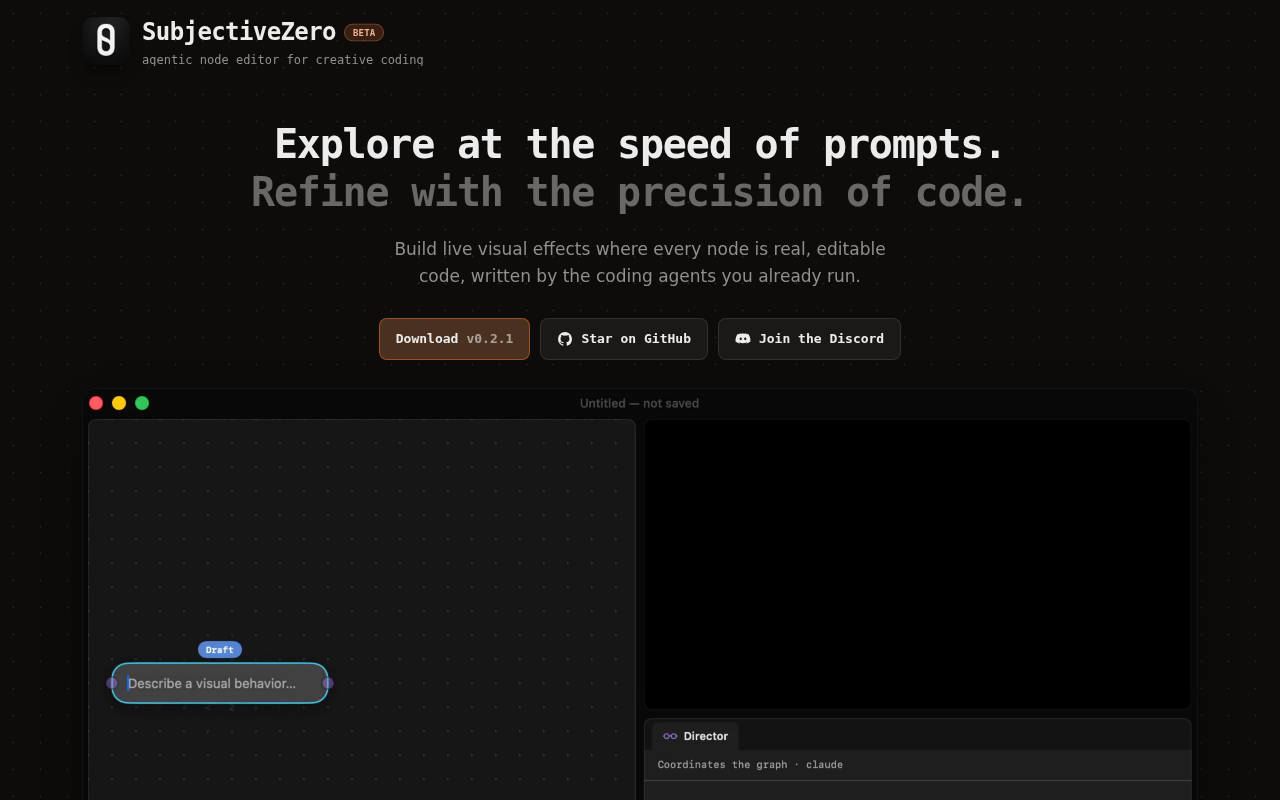
SubjectiveZero: A New Creative Coding Paradigm with AI Agents and Node Editors
SubjectiveZero is an open-source agentic node editor for creative coding, merging AI agents with visual node programming. Explore its technical vision and value for digital artists.
Read more →
·6 min
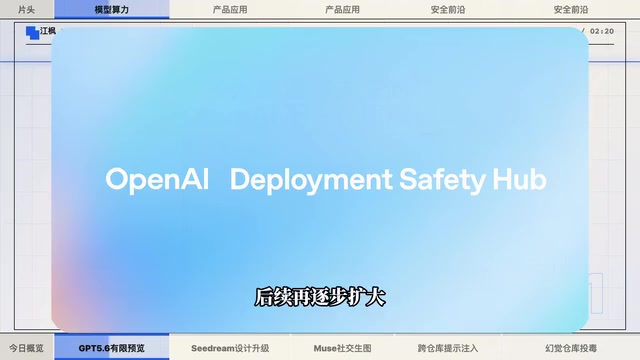
GPT-5.6 Sol Limited Preview: The Safety Boundaries Behind AI's Capability Expansion
OpenAI's flagship GPT-5.6 advances on three fronts—Sol, Kara, Luna tiered rollout; ByteDance CGN 5.0 Pro and Meta Muse push image generation toward controllable workflows; AI coding agents expose new supply chain risks.
Read more →

·2 min
OpenAI GPT-5.6 Released: Three Versions Compared — Full Breakdown of the All-in-One Super App
OpenAI releases GPT-5.6 in three tiers (SOUL/TERA/LUNA) and a unified ChatGPT desktop app with Chat, Work, and Codex modes. Learn how to choose the right version.
Read more →

·6 min
GPT Live Full-Duplex, Grok 4.5 Coding, Seedream 5.0 Images: AI Accelerates Across Three Tracks Simultaneously
OpenAI's GPT Live full-duplex voice model, Grok 4.5 coding model with Cursor, and ByteDance's Seedream 5.0 Pro image generation launched together. A deep dive into three AI releases.
Read more →
·3 min
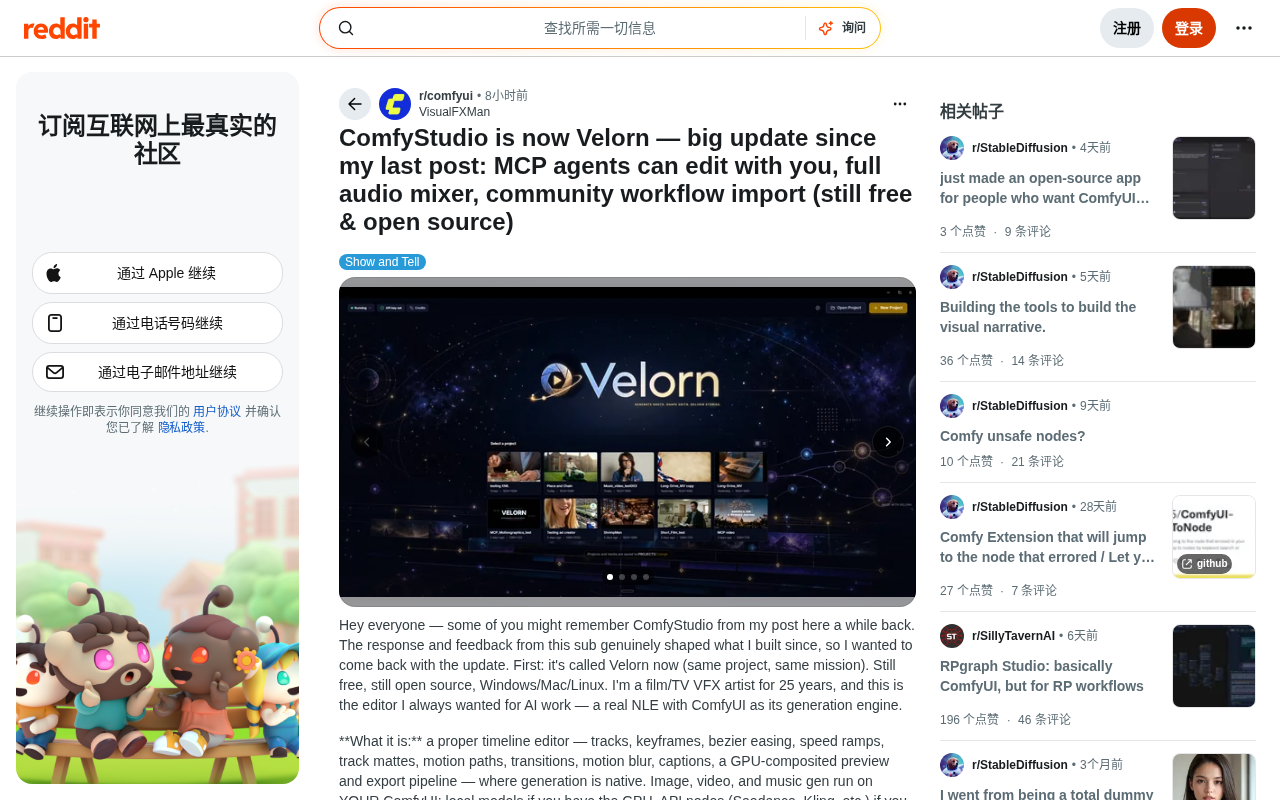
Velorn: Open-Source NLE Editor Where AI Agents Handle Editing and Mixing
Velorn is an open-source NLE with ComfyUI generation and a local MCP server of 100+ tools, letting Claude and Cursor agents edit timelines and mix audio — no cloud credits required.
Read more →

·3 min
Krea 2 Real-World Test: RTX 3060 Generates 1080P Images in Under 2 Minutes
Can an RTX 3060 12GB run Krea 2? Real-world tests show 1080P images in 1–2 minutes. Explore how Krea2 Turbo FP8 quantization enables efficient AI art on consumer GPUs.
Read more →

·5 min
Runs on Low VRAM! A Hands-On Look at the ID LoRA Face-to-Video Workflow
A face-to-video workflow built on GGUF quantized models and ID LoRA runs on just an RTX 3060 with 6GB VRAM. This article breaks down its core principles, four-step process, and how it tackles facial consistency in AI video.
Read more →

·5 min
Ideogram 4 Local Deployment in Practice: One-Click Image Generation with a Fully Automated ComfyUI Workflow
Deep dive into Ideogram 4's core strengths: realistic photographic quality, powerful text generation, and Chinese prompt support. Learn to skip complex JSON prompts with a fully automated ComfyUI workflow + Qwen3—input your idea, get an image instantly, deployable locally at just 8GB.
Read more →
Google Drops Two New Models: 4-Second …
·4 min
Google Drops Two New Models: 4-Second Image Generation + Real-Time Video Creation Explained
Google launches Imagen 3 Nano (Flash) for 4-second text-to-image generation and Veo 3 Flash for conversational video editing — now available via Gemini API and Google AI Studio.
Read more →

·3 min
Ideogram 4 Deep Dive: Structured Prompts and Fully Automated Workflow
A deep dive into Ideogram 4's three core strengths — cinematic aesthetics, naturalistic portraits, and stable text rendering. Learn JSON structured prompts and a fully automated workflow powered by Qwen3 VL.
Read more →

·3 min
Short Drama Agent Tested: Is AI One-Click Video Production Actually Feasible?
Full hands-on test of Short Drama Agent: from scriptwriting and character three-view sheets to AI video generation. We break down the workflow for cute-style and xianxia dramas and analyze three key pain points: cost, rigidity, and visual inconsistency.
Read more →

·4 min
AI Short Drama Practical Guide: A Three-Phase Learning Roadmap to Launch in Two Weeks
90% of AI video beginners fail due to missing a complete workflow. This guide breaks down a 3-phase AI short drama roadmap covering controllable generation, character consistency, emotional hooks, and AI-friendly scriptwriting.
Read more →

·7 min
GPT Image 2 Hands-On Review: In-Depth Evaluation of Text Layout and Character Breakdown Capabilities
GPT Image 2 hands-on review: near-flawless poster text layout and automatic character breakdown with Chinese annotations. Deep analysis of core capabilities, comparison with Nano Banana, and risk assessment for access channels.
Read more →
 Tech Frontiers
·2 min
Reve 2 vs. Ideogram 4: A Deep Dive into Layout Control in AI Image Generation
A deep comparison of Reve 2 and Ideogram 4's layout control capabilities, covering technical approaches, real-world use cases, and industry trends for designers and creators.
Read more →
Gemini Nano Banana 2 Templates: The AI…
·2 min
Gemini Nano Banana 2 Templates: The AI Feature That Turns Your Selfie into a Trading Card
Google Gemini launches Nano Banana 2 templates, letting users turn selfies into custom trading cards, murals, and cartoons. Explore this AI image feature's tech and commercial potential.
Read more →