#Doubao prompt engineering
171 related articles

·3 min
7 Vibe Coding Agents Tested & Ranked: Which AI Coding Tool Should Beginners Choose?
Hands-on comparison of 7 Vibe Coding agents including Trae, Cursor, Claude Code, Codex, WorkBuddy & CoderWork, ranked by beginner-friendliness and performance.
Read more →

·3 min
7 Vibe Coding Agents Tested & Ranked: Which AI Coding Tool Should Beginners Choose?
Side-by-side review of 7 Vibe Coding agents including Trae, Cursor, Claude Code, Codex, WorkBuddy, and CoderWork, ranked by beginner-friendliness, performance, and ease of use.
Read more →
·2 min
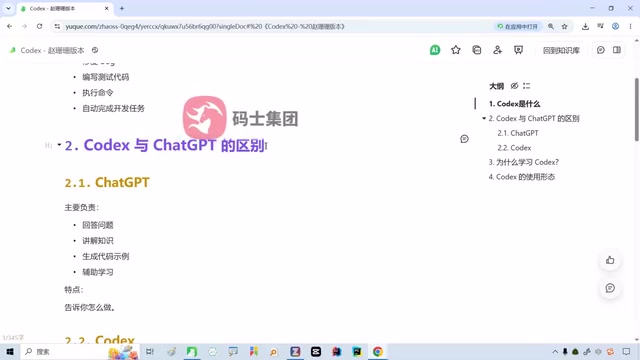
Codex Beginner's Guide: Understanding the Difference Between OpenAI's Coding Agent and ChatGPT
A detailed guide to OpenAI Codex coding agent: understand how it differs from ChatGPT, how AI agents autonomously generate, debug, and test code, and why developers need to learn this new paradigm.
Read more →

·4 min
Choosing the Wrong Agent Ruins Everything: Why the Same Model Can Perform Like Two Completely Different AIs
The same LLM API performs drastically differently under different Agent frameworks. Through a real database crash case, this article analyzes why choosing the right Agent matters more than switching models.
Read more →
·2 min
Codex Beginner's Guide: Understanding the Difference Between OpenAI's Coding Agent and ChatGPT
A detailed guide to OpenAI's Codex coding agent: understand what it is, how it differs from ChatGPT, and why developers should master AI coding agents now.
Read more →
·4 min
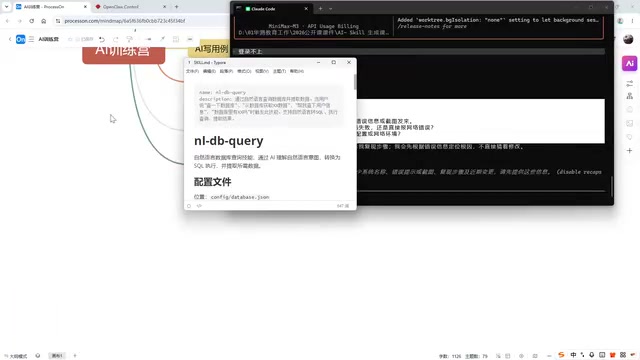
Hands-On Skill Writing and Agent Testing: A Guide to AI Testing Transformation
An in-depth look at AI testing challenges. Learn to write reusable Skill packs and master Agent testing and LLM evaluation—covering the SKILL.md six-dimensional rule, skill-creator, EvalScope, and dataset selection.
Read more →

·3 min
A Practical Guide for Java Developers Transitioning to AI Application Development
Facing the AI wave, how can Java developers transition from traditional CRUD backend work to AI application development? This article breaks down the AI+ national strategy, China's AI catch-up logic, and offers a practical path.
Read more →

·4 min
AI Testing in Practice: A Complete Guide to Three Types of AI Tools and the New Paradigm of Test Development
A complete guide to the three core categories of AI tools in the testing era (personal assistants, CLI geek tools, AI IDEs), revealing the real challenges of AI test case generation and the new AI test development paradigm.
Read more →

·4 min
AI Testing in Practice: A Complete Guide to Three Types of AI Tools and the New Paradigm of Test Development
A comprehensive guide to three core AI tool types (personal assistant, CLI geek, AI IDE) in the testing era. Uncover the real challenges of AI test case generation and the new AI test development paradigm.
Read more →

·3 min
The AI Coding Landscape: Model Tiers, Tool Camps, and a Deep Dive into MCP/Skills/CLI
A systematic map of today's AI coding landscape: the evolution from ChatGPT to Claude Code, LLM capability tiers, tool camps like Cursor/Copilot, and the three key weapons of the Agent era — MCP, Skills, and CLI.
Read more →
·3 min
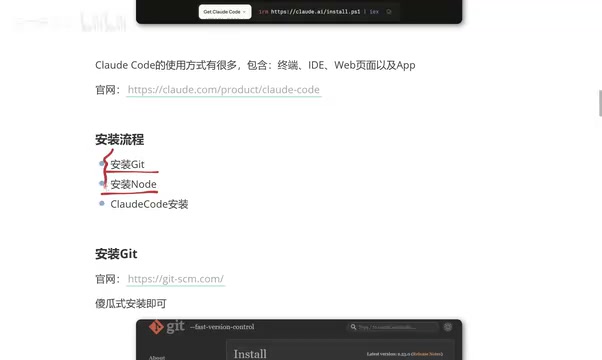
Getting Started with Claude Code: Installation, Configuration, and Three Working Modes Explained
Get started with Claude Code from scratch: detailed Windows installation, environment variable setup, China network bypass, and connecting to free Alibaba Cloud Bailian models—plus the three working modes.
Read more →

·2 min
Getting Started with Dify: A Complete Guide to the Open-Source Enterprise AI Application Platform
A complete guide to Dify, the open-source AI application platform: its core positioning, key differences from Coze, workflow-building capabilities, and enterprise private deployment advantages.
Read more →

·4 min
Complete Guide: Connecting DeepSeek and Other Chinese LLMs to Codex
No ChatGPT account? No problem. Learn how to connect DeepSeek and other Chinese LLMs to Codex using the Codex++ management tool — including Base URL setup, API Key creation, and token top-up.
Read more →

·8 min
A Complete Guide to Agent Testing: Five Core Dimensions and Automation in Practice
In-depth analysis of the five core dimensions of AI Agent testing: command safety, tool-calling accuracy, task planning, output consistency, and error self-repair. Master automated testing and the transition path for test engineers.
Read more →

·8 min
The Complete Guide to Agent Testing: Five Core Dimensions and Automation in Practice
An in-depth analysis of the five core dimensions of AI Agent testing: command safety, tool-calling accuracy, task planning, output consistency, and error self-repair. Master automated testing methods and the transition path for test engineers.
Read more →

·7 min
Getting Started with Claude Code: Five Dimensions to Understand Why It Outperforms Regular AI
Claude Code isn't just a chat AI—it can directly read projects, modify code, and run commands. This article compares Claude Code with regular AI across five dimensions to help you decide if it's worth trying.
Read more →

·7 min
Getting Started with Claude Code: Five Dimensions That Show Why It Outperforms Ordinary AI
Claude Code isn't just a chat AI—it can directly read projects, modify code, and run commands. This article compares Claude Code with ordinary AI across five dimensions: interaction, context, execution, memory, and tool calling.
Read more →

·5 min
From Vibe Coding to AI Engineering: A Complete Guide to Enterprise-Grade Development
In the AI programming era, Vibe Coding alone can only build toys. This article deeply analyzes the complete engineering path from Vibe Coding to SDD spec-driven development, covering Claude Code and Codex tool selection, the SuperPower plugin, and domestic LLM comparisons.
Read more →

·8 min
LangChain Crash Course: A Complete Roadmap from Zero to Agent Development
A systematic roadmap from LangChain and LangGraph to multi-agent development, covering RAG, Tool Calling, MCP, and more, helping developers break into AI app development.
Read more →

·2 min
Qwen3 Max Benchmarked, Seed Audio 1.0, and Matrix-3.5: A Deep Dive into Three Major Chinese AI Releases
Alibaba's Qwen3 Max (2.4T MoE), ByteDance's Seed Audio 1.0 with precise timestamp control, and Kunlun Wanwei's Matrix-3.5 open-source world model — a deep dive into three major Chinese AI releases.
Read more →