#LangGraph deployment
345 related articles
 Product Reviews
·2 min
Mistral Vibe: Free Open-Source Terminal AI Coding Assistant — A Claude Code Alternative
Mistral Vibe is an open-source, free terminal AI coding agent by Mistral with sub-agents, async processing, and Slash commands — a powerful Claude Code alternative for developers.
Read more →
 Tech Frontiers
·1 min
Devin Launches Multi-Instance Parallel Mode: AI Programming Evolves from Solo Operations to Army-Scale Collaboration
Devin launches multi-instance parallel mode, letting developers dispatch multiple AI Agents for different tasks simultaneously. Analysis of its impact on development efficiency and how multi-Agent collaboration redefines the developer role.
Read more →
 Industry Insights
·1 min
The Claude Code Performance Degradation Controversy and 6 Open-Source Tools Worth Watching
Deep analysis of the Claude Code performance degradation controversy caused by thought summarization, plus open-source tools: Mautica AI Agent platform, Hitry spreadsheet engine, and more.
Read more →
 Tutorials
·2 min
Career Prospects for LLM Development Engineers: Job Categories, Education Requirements, and Learning Paths
In-depth analysis of three LLM engineer career paths (Application, R&D, Algorithm), bachelor's degree entry, core algorithms, salary benchmarks, and a three-tier learning roadmap.
Read more →
 Product Reviews
·3 min
Ara: An Open-Source Computer Use Tool as a Multi-Agent Automation Alternative to OpenClaw
Ara is an open-source Computer Use tool and OpenClaw alternative that uses multi-AI-agent collaboration to automate tasks. Explore its architecture, use cases, and competitive landscape.
Read more →
 Product Reviews
·2 min
Minions: An Open-Source Control Center for AI Agent Parallel Task Management
Minions is an open-source task control panel for Hermes Agent, offering a unified task board, smart monitoring, auto-retry, and escalation to solve silent failures and blocking in parallel AI Agent workflows.
Read more →
 Industry Insights
·1 min
AI Agent Token Consumption Out of Control: Budget Crises and Response Strategies from 15 Enterprises
AI Agent token consumption is growing exponentially beyond enterprise budgets. Based on 15 real cases, this article analyzes cost overrun causes and provides strategies including model tiering, semantic caching, and token governance.
Read more →
 Tutorials
·2 min
ACPX in Practice: Scaling AI Agent Deployment on Kubernetes for Automated PR Processing
How to build an automated PR processing system using ACP protocol, ACPX workflow engine, and Kubernetes. From OpenCLO's 60K+ PR challenge to enterprise-grade multi-Agent orchestration.
Read more →
 Product Reviews
·2 min
Glutra: A Multi-Agent Collaborative Desktop App for Building Your AI One-Person Company
Glutra is an open-source multi-agent desktop app for batch creating AI employees, visual workflow orchestration, and real-time monitoring. Cross-platform support for building your AI one-person company.
Read more →
 Industry Insights
·2 min
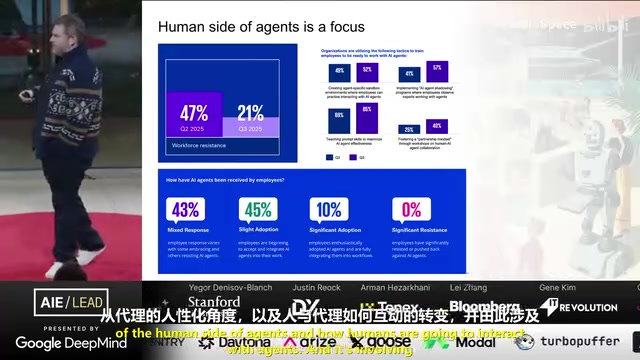
3,500 Enterprise AI Use Cases Reveal: Is AI Investment Actually Worth It?
Survey of 1,000+ enterprises and 3,500 AI use cases reveals: 44% see moderate ROI, 37% see high ROI. AI Agent adoption surged from 11% to 42%. Coding and risk use cases top the charts.
Read more →
 Deep Dives
·1 min
Gemini 3.5 Flash Deep Dive: Google's AI Agent Execution Engine
Google I/O 2025 unveils Gemini 3.5 Flash—4x faster than frontier models, outperforming its own flagship on coding and Agent benchmarks. Deep dive into its core capabilities and industry impact.
Read more →
 Product Reviews
·1 min
Echo Agent Deep Dive: A Self-Hosted AI Agent Operating System
Deep dive into Echo Agent, a self-hosted AI Agent OS featuring four-role collaboration, cognitive memory systems, LLM-driven security approval, and A2A/MCP protocol support.
Read more →
 Product Reviews
·3 min
Herdr: Multi-Agent Terminal Management Tool for Effortlessly Managing Claude Code/Codex Multitasking
Herdr is a terminal management tool designed for AI Agents, supporting visual tracking and free switching between Claude Code, Codex, Aider and more, with remote management and mobile support.
Read more →
 Product Reviews
·3 min
Deep Dive into AionUI: What Makes This 24.6k Stars AI Agent Workbench So Powerful
In-depth analysis of how open-source AionUI evolves from chatbox to AI Agent workbench, covering built-in Agents, CLI Agent integration, file deliverables, remote access, and multi-Agent collaboration.
Read more →
 Deep Dives
·3 min
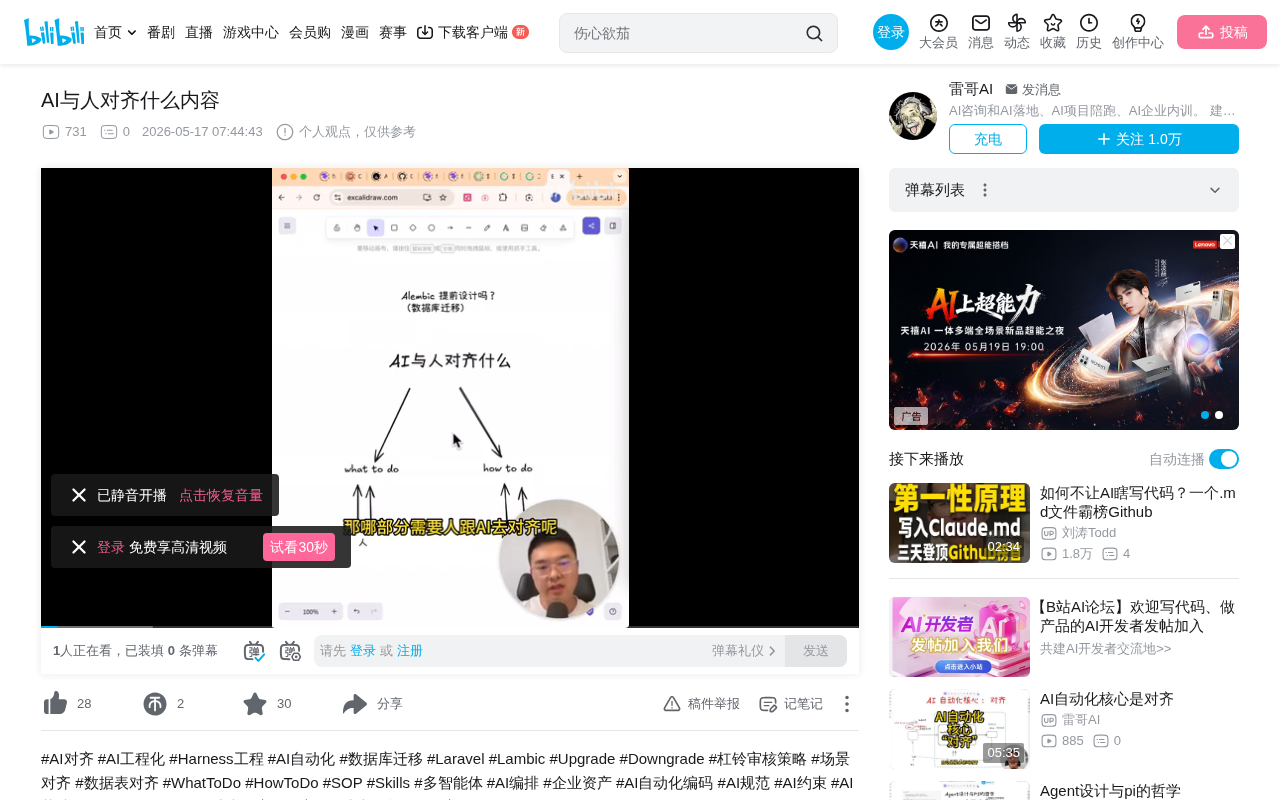
The Essence of AI Alignment: Aligning What to Do, Not How to Do It
The core of AI alignment is aligning What to do, not How to do. Through an Alembic database migration case, learn how Harness engineering crystallizes dev standards into reusable assets for automated programming.
Read more →
 Tutorials
·3 min
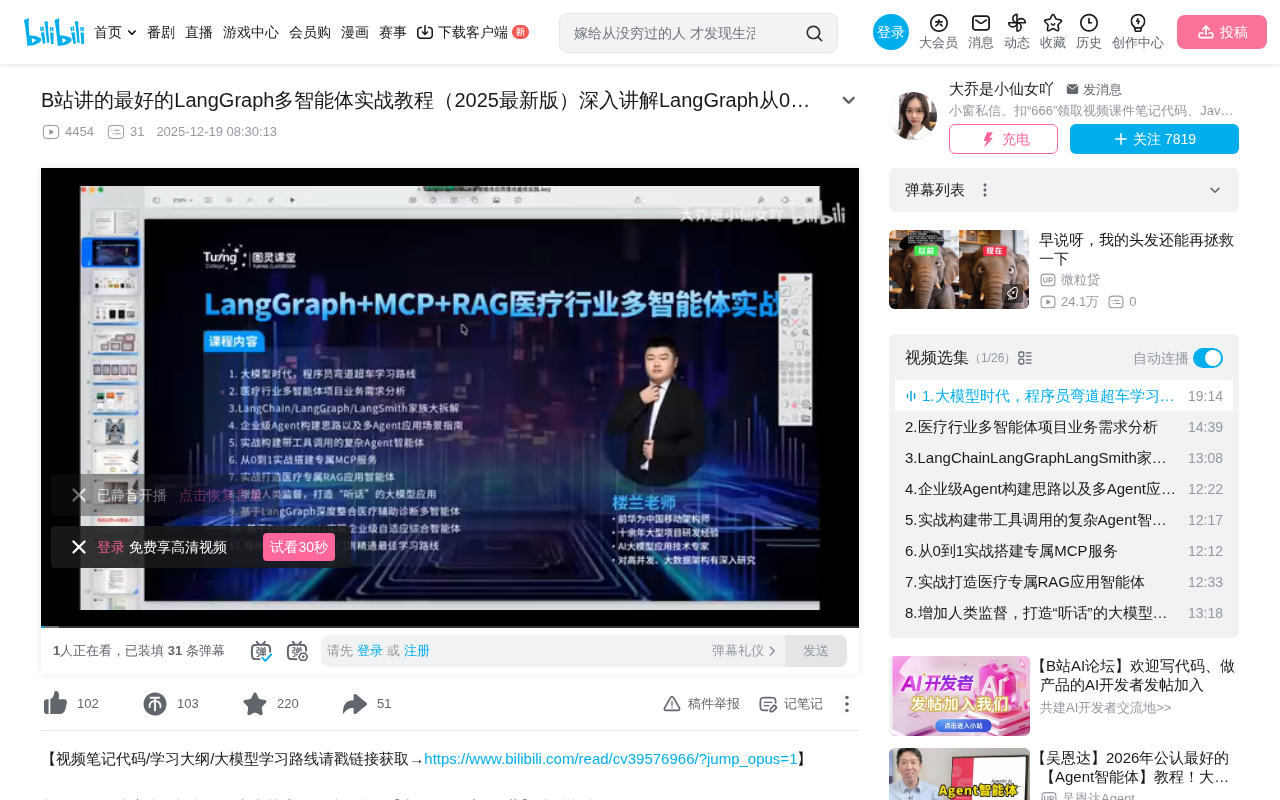
LangGraph Multi-Agent in Practice: Building a Medical Agent System from Scratch
A deep dive into LangGraph multi-agent architecture for healthcare, covering LangChain, RAG, and MCP integration, from requirements analysis to Agent orchestration.
Read more →
 Product Reviews
·3 min
2025 Comparison of Six Major Agent Development Frameworks: AutoGen/LangChain/LangGraph Selection Guide
In-depth comparison of six AI Agent frameworks—AutoGen, LangChain, LangGraph, Google ADK, OpenAI Agents, AgentScope—covering architecture, ecosystem maturity, and practical selection advice.
Read more →
 Tutorials
·4 min
Hermes Agent in Practice: Building a Memory-Persistent AI Assistant with a Four-Layer Memory System
Deep dive into Hermes Agent's four-layer memory system architecture, covering Harness Engineering principles, Lark integration, persistent memory configuration, and autonomous Skill evolution for building AI assistants that never forget.
Read more →
 Deep Dives
·4 min
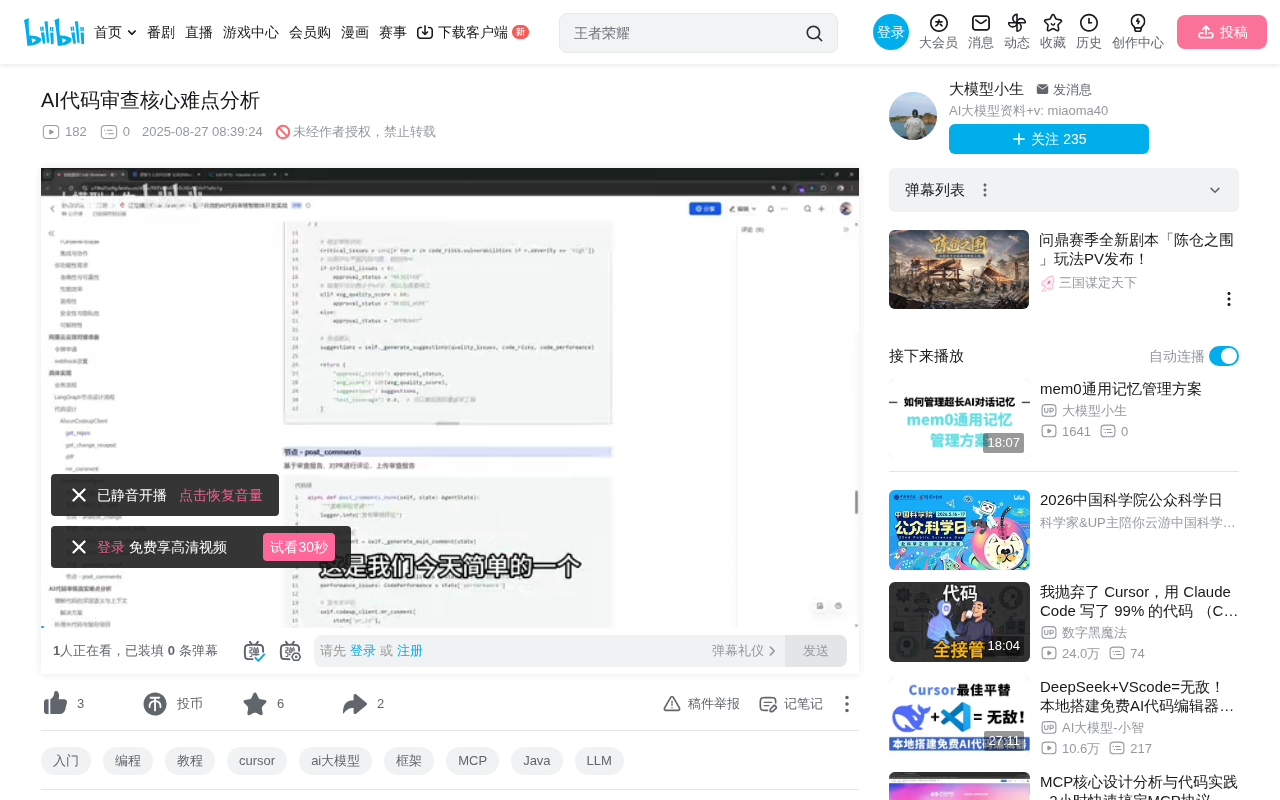
AI Code Review from 30 to 80 Points: A Complete Guide to AST + RAG Architecture Challenges
Deep dive into AI code review system architecture with AST parsing, RAG retrieval, and vector databases. Learn how to boost review effectiveness from 30% to 80%.
Read more →
 Tutorials
·4 min
2025 LLM Career Transition Roadmap: A Three-Phase Plan from Foundations → Frameworks → Real-World Projects
A systematic 2025 LLM career transition roadmap covering Python, Transformers, LangChain, LlamaIndex, RAG, Agent development, and fine-tuning across three phases achievable in 2-3 months.
Read more →