#MLflow
47 related articles
·4 min
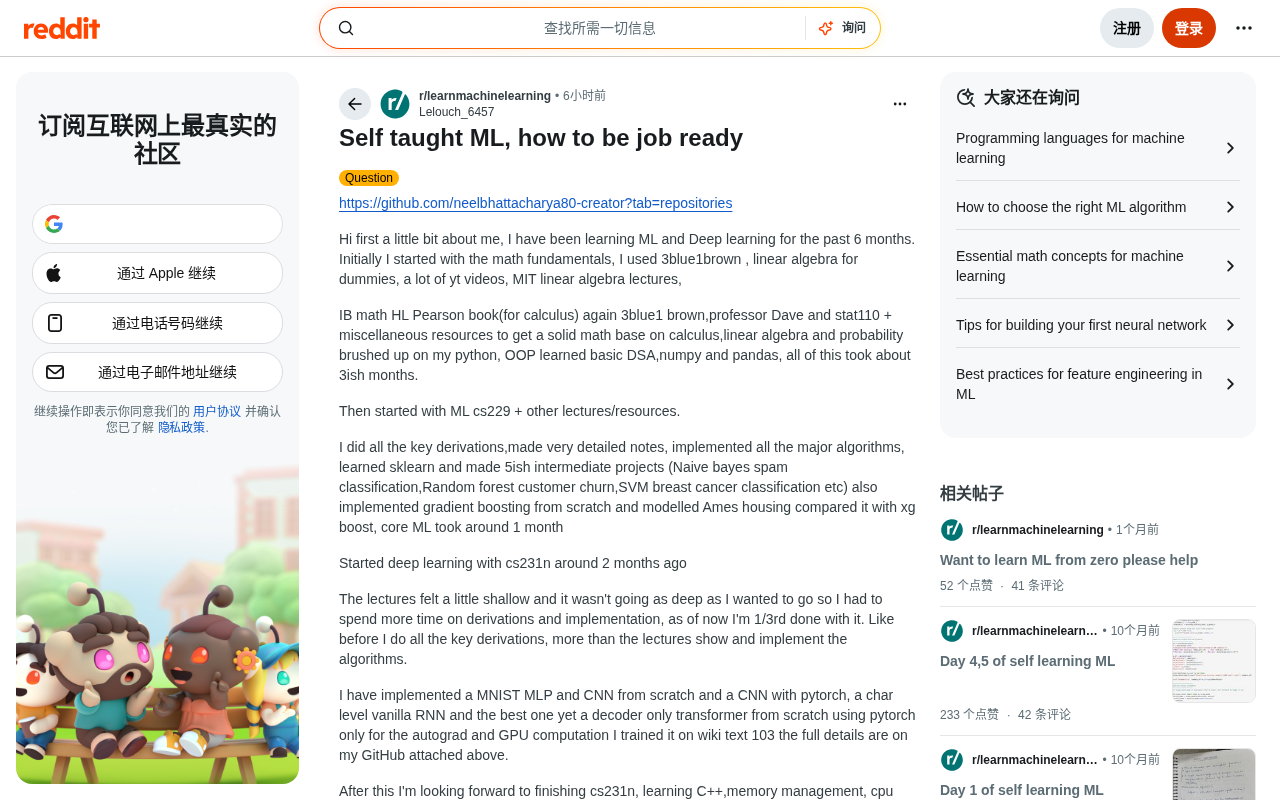
6 Months of Self-Taught Machine Learning: A Complete Roadmap from Zero to Job-Ready
A self-learner completed a full progression from math foundations and core ML to deep learning in 6 months—hand-writing a Transformer and implementing gradient boosting from scratch. This article breaks down the highlights and blind spots of this real roadmap.
Read more →

·3 min
How Machine Learning Engineers Can Adapt in the AI Era: A Guide to Skill Trade-offs and Career Reinvention
In the AI wave, ML engineers' work is quietly shifting: from building models to using them, from feature engineering to LLM app development. This article outlines the new skills to prioritize, fading old ones, and how to turn AI into career leverage.
Read more →
·3 min
Career Switch to AI Engineer Without a CS Degree: A Self-Study Roadmap from Scratch
A real case study of an agriculture student breaking into AI: how to start with CS50 and systematically master Python, machine learning, and MLOps skills, with a three-phase transition plan for self-learners.
Read more →

·5 min
The Five Unsolved Challenges of Production MLOps: A Deep Dive into GPU Scheduling, Fault-Tolerant Training, and Model Observability
A deep dive into the five genuinely tough challenges of production MLOps: fault-tolerant training on Spot instances, cross-team GPU scheduling, data reproducibility, model observability, and inference cost optimization.
Read more →

·6 min
An Efficient Learning Guide for Data Science: Study Partnerships and Hands-On ML in Practice
Struggling to learn data science alone? This article explores the value of study partnerships and pairs them with the classic Hands-On ML textbook to offer a phased learning plan from math foundations to deep learning.
Read more →

·6 min
A Deep Dive into AI Agent Harnesses: The Core Engineering Behind Agent Frameworks
What is an AI Agent's harness? This article systematically dissects the core components of agent frameworks: context management, tool use, control loops, and caching strategies—revealing why the same model performs so differently across harnesses.
Read more →
·4 min
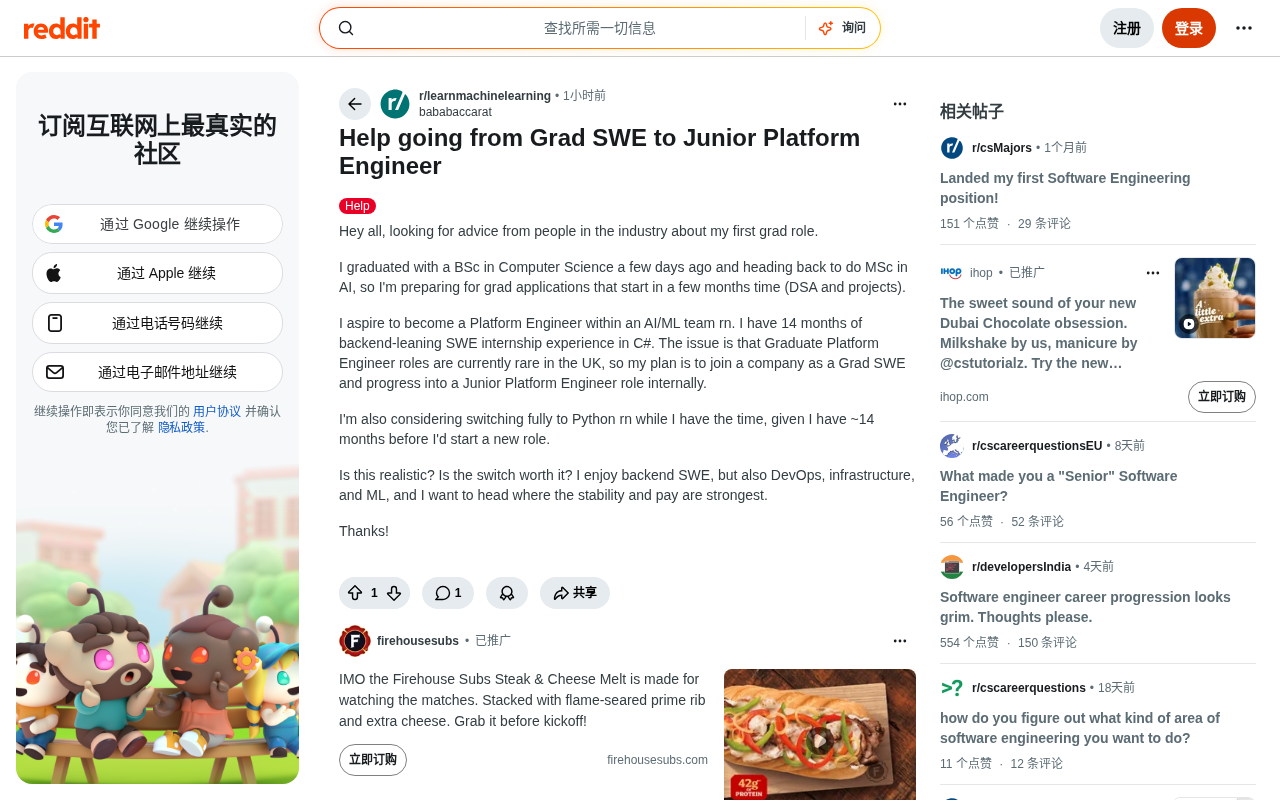
From New Grad SWE to Platform Engineer: Career Paths and Tech Stack Choices in the AI Era
How can new graduates transition from software engineer to platform engineer? This article breaks down the path of joining as a Grad SWE first, then transferring internally, analyzes C# vs Python trade-offs, and offers a 14-month prep plan for AI/ML infrastructure.
Read more →

·3 min
Inside the ML Engineer Coding Assessment at Top US Tech Companies: What's Tested and How to Prepare
A firsthand account shared on Reddit reveals what a machine learning engineer online assessment (OA) at a top US tech company is really like. This article breaks down OA modules, role differences, and prep strategies for FAANG job seekers.
Read more →

·4 min
From Engineer to Machine Learning Practitioner: A Practical Roadmap from Data Compliance to Deployment
Have an engineering or data background and want to transition to machine learning? This article covers data anonymization compliance essentials, knowledge base tech route selection (RAG/traditional ML/BI), and a phased practical learning path.
Read more →

·3 min
Should Developers Learn Machine Learning? A Rational ROI Analysis and Learning Path Guide
Should full-stack developers learn machine learning? This article analyzes the difference between applied ML and research ML, breaks down the ROI at each stage, and offers a concrete action path.
Read more →

·5 min
Multi-Model Tiered Deployment: Is an AI Gateway Worth Adopting?
More teams are adopting multi-model tiered scheduling. AI gateways solve cross-vendor API management, automatic fallback, and cost tracking — but add a new abstraction layer. Learn when a gateway is worth it.
Read more →

·3 min
The Software Compounding Effect: The Real Deciding Factor in AI Infrastructure Competition
Beyond the GPU arms race, software is becoming AI infrastructure's true compounding engine. A deep dive into optimization stacking, the CUDA ecosystem moat, and how open source scales individual breakthroughs into community wealth.
Read more →

·2 min
The AI Model Versioning Crisis: What an Industry Rumor Reveals About Iteration Chaos
A viral AI rumor about a lost "version 5.6" model exposes three real industry pain points: version control chaos, compliance risk, and model asset management failures.
Read more →

·4 min
Electrical Engineer to AI Engineer: A Real Story and Practical Transition Roadmap
A 6-year electrical engineer from Brazil weighs transitioning to AI engineering. This deep-dive covers the stability vs. freedom tradeoff, transition advantages, and a practical roadmap for engineers with similar backgrounds.
Read more →

·5 min
5 Things You Must Do Before Deploying AI Agents to Production (With a Banking POC Case Study)
Over 60% of AI Agent projects die between demo and production. This article breaks down Databricks lead Sandy's five-pillar methodology and a bank POC case study to help you avoid the most common deployment pitfalls.
Read more →

·6 min
Databricks Agent Framework in Practice: A Guide to ChatAgent Wrapping and Production Deployment
A deep dive into Databricks Agent Framework (Mosaic AI): unify LangGraph/OpenAI agents via ChatAgent, log & evaluate with MLflow, version with Unity Catalog, and deploy Model Serving Endpoints for production AI agents.
Read more →

·7 min
The Five Pillars of Production-Grade AI Agents: A Battle-Tested Guide from Demo to Deployment
Databricks tech lead Sandy shares a five-pillar framework for production-grade AI Agents—evaluation, observability, data foundation, orchestration, and governance—with a £85K retail banking failure case to bridge the demo-to-production gap.
Read more →

·6 min
Deploying Enterprise AI Agents to Production: The Five Pillars from Demo to Launch
A Databricks expert breaks down the complete methodology for taking AI Agents from demo to production, covering the five pillars of evaluation, observability, data foundation, multi-Agent orchestration, and AI governance, with a real eight-week banking chatbot POC case.
Read more →
·6 min
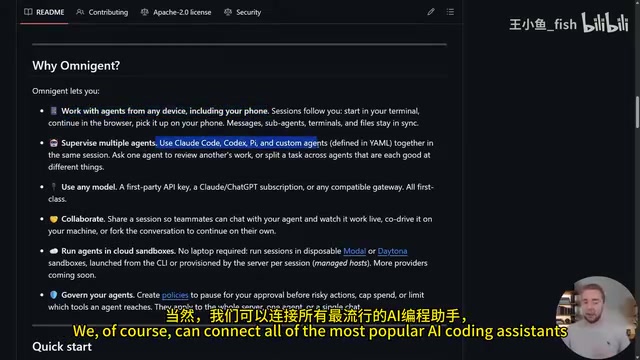
Omnigent Open-Sourced: A Meta-Harness for AI Coding Agents Built by Databricks
Databricks open-sources Omnigent, a Meta-Harness for orchestrating Claude Code, Codex, and more AI coding assistants together—with built-in guardrails, cross-model workflows, and real-time collaboration. Get started in 10 minutes.
Read more →

·7 min
LangSmith Engine: An Intelligent Operations Tool That Automatically Diagnoses and Fixes Agent Failures
LangChain's LangSmith Engine is an intelligent agent tool for tracking Agent failures, prioritizing issues, and auto-drafting fixes. Deep dive into its core capabilities, sandbox isolation, sub-Agent architecture, and continuous evaluation challenges.
Read more →