#OpenAI Plugins
509 related articles
·4 min
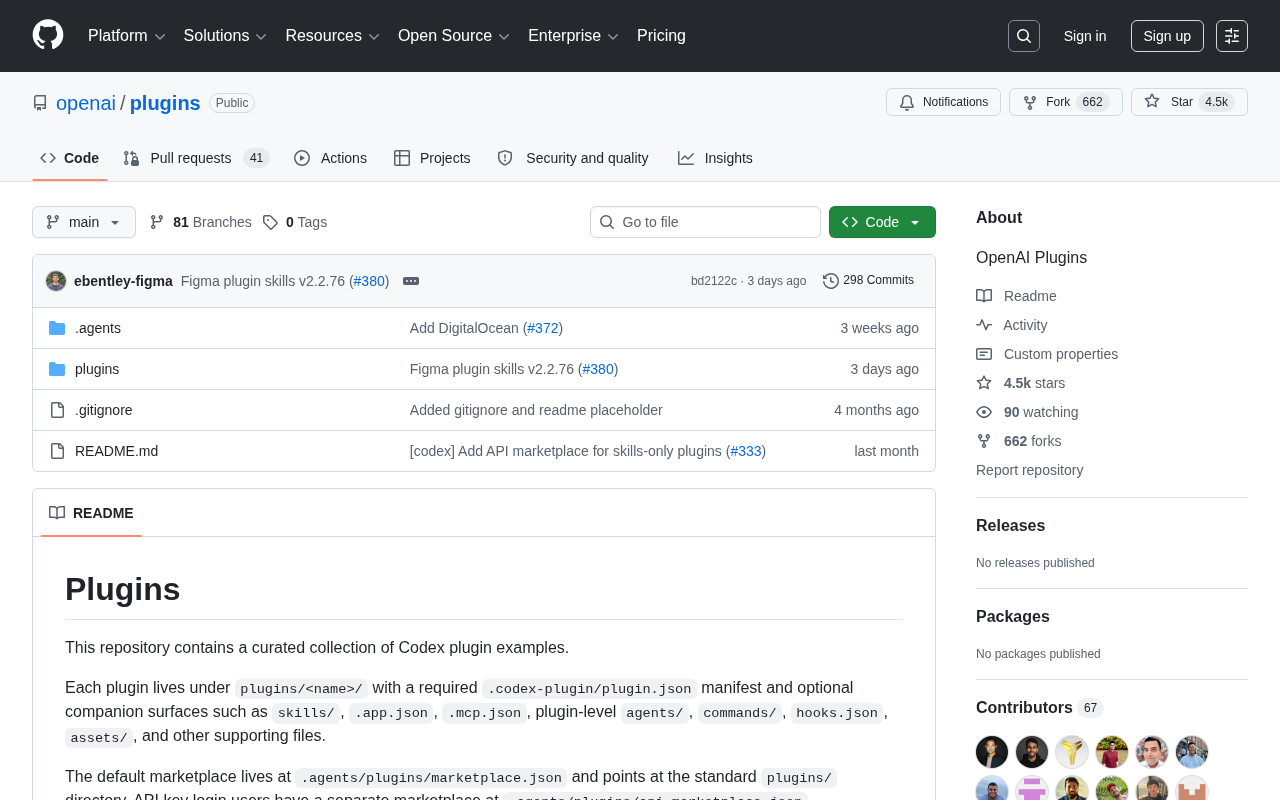
OpenAI Plugins Deep Dive: The Plugin System That Connects ChatGPT to the Real World
A deep dive into OpenAI Plugins: how the system works, its technical architecture, and why it matters. Learn how ChatGPT uses plugins to access real-time data, take real-world actions, and lay the groundwork for AI Agents and Tool Use.
Read more →
Product Reviews
OpenAI Codex Role-Specific Plugins Exp…
·2 min
OpenAI Codex Role-Specific Plugins Explained: Reshaping Team Collaboration Workflows
OpenAI launches Codex role-specific plugins covering data analysis, creative production, and product design, integrating 60+ systems to enable closed-loop workflows from ideation to prototype publication.
Read more →
Product Reviews
OpenAI Codex Role-Specific Plugins Exp…
·2 min
OpenAI Codex Role-Specific Plugins Explained: Reshaping Team Collaboration Workflows
OpenAI launches Codex role-specific plugins covering data analysis, creative production, and product design, integrating 60+ systems to enable closed-loop workflows from ideation to prototype publication.
Read more →

·3 min
MiniMax Code vs Cursor: Analyzing the Design Advantage of Side-by-Side Code and Agent Layout
In-depth comparison of MiniMax Code and Cursor UI layouts. MiniMax Code's side-by-side code and Agent design reduces view switching and boosts code review efficiency. Choose the right AI coding tool.
Read more →

·3 min
MiniMax Code vs Cursor: Analyzing the Design Advantages of Side-by-Side Code and Agent Layout
In-depth comparison of MiniMax Code and Cursor's UI layouts. MiniMax Code's side-by-side code and Agent design reduces view switching for better code review efficiency, while Cursor's editor-centered approach suits deep coding.
Read more →

·2 min
Hubbele: An Open-Source Note-Taking App Built for Both Humans and AI Agents
Hubbele is an open-source note-taking app designed for both humans and AI Agents, supporting self-hosted deployment. This article analyzes its Agent-native design philosophy and implications for the future of knowledge management.
Read more →
·3 min
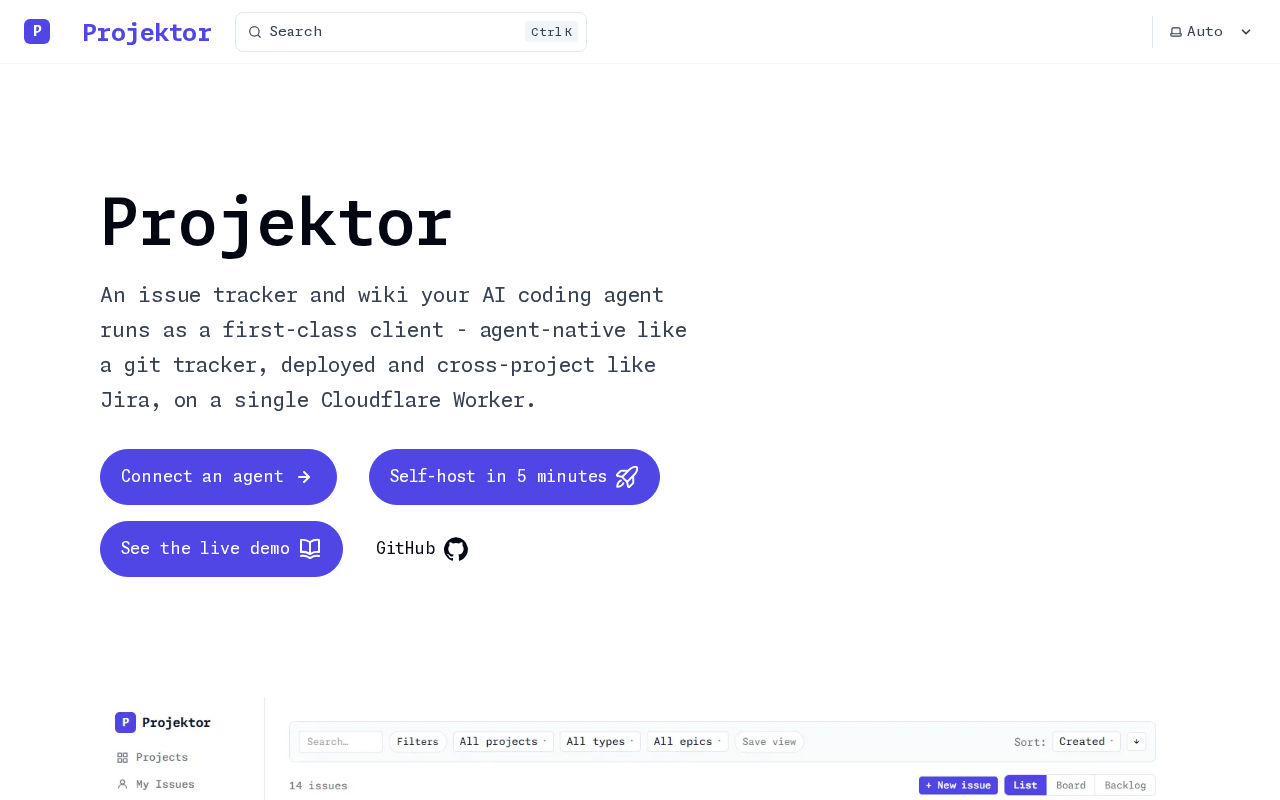
Open-Source Agent-Native Task Management: A Deep Dive into Cloudflare Edge Deployment
Deep dive into an open-source Agent Native task management and Wiki project deployed on Cloudflare, exploring Agent-native architecture, edge computing benefits, and serverless deployment for the AI Agent era.
Read more →
·3 min
Open-Source Agent-Native Task Management: A Deep Dive into Cloudflare Edge Deployment
Deep dive into an open-source Agent Native task management and Wiki project deployed on Cloudflare, exploring Agent-native architecture, edge computing advantages, and serverless deployment for AI Agents.
Read more →

·3 min
Claude Code vs Codex: Hands-On Comparison and Installation Guide for AI Programming Tools
In-depth comparison of Claude Code and Codex AI programming tools covering accuracy, installation, and network setup tips to help developers choose the best solution.
Read more →

·4 min
OpenAI Employee Shares How to Build an AI Work Operating System with Codex
OpenAI's Jason Liu shares how he uses ChatGPT Workbench and Codex to build an AI work OS: Chief of Staff automation, persistent threads, Skills/Plugins, browser control, and app-building methodology.
Read more →

·4 min
GPT-5.6 Value Maxing Practical Guide: From Token Stacking to Output Optimization Methodology
Deep dive into OpenAI GPT-5.6 Value Maxing strategies covering Sol/Terra/Luna model selection, KV cache optimization, Prompt compression, and programmatic tool calling to help developers achieve more output with fewer Tokens.
Read more →

·3 min
ChatGPT Plugins Get a Major Upgrade: From Conversational Tool to Workflow Hub
Deep dive into ChatGPT's plugin upgrade: how AI connects email, docs, calendars & more to transform from a chatbot into a workflow hub with cross-app aggregation.
Read more →

·3 min
ChatGPT Plugins Get a Major Upgrade: From Conversational Tool to Workflow Hub
Deep dive into ChatGPT's plugin directory upgrade—how AI connects email, docs, calendars and more to transform from a chat tool into a workflow hub platform.
Read more →

·2 min
Zero-Code Guide to Coze: A Complete Beginner's Guide to AI Agent Development
A detailed guide to ByteDance's Coze platform covering agent building, workflow orchestration, and knowledge base management to help beginners start AI app development with zero coding.
Read more →

·3 min
After 6 Billion Tokens, Here's What I've Learned About AI Agents
A power user who consumed over 6 billion Tokens shares real insights on AI Agents, exploring spending money, investing time, and managing life changes with AI.
Read more →

·2 min
Getting Started with Codex: A Practical Guide to OpenAI's AI Programming Assistant with Tips to Avoid Common Pitfalls
A detailed guide to OpenAI Codex's core features and setup, comparing it with Claude Code, plus practical tips for configuring DeepSeek and avoiding common pitfalls.
Read more →

·3 min
Cursor Alternatives Compared: A Guide to 5 AI Coding Tools
Compare 5 Cursor alternatives — from GitHub Copilot and Windsurf to open-source Cline and Continue — covering model freedom, workflow integration, cost, and privacy.
Read more →

·3 min
Agent Skills Explained: Plug-and-Play Skill Packs for AI
A deep dive into Agent Skills architecture: modular design, progressive disclosure mechanism, and how it differs from Multi-Agent systems for AI capability extension.
Read more →

·3 min
After 6 Billion Tokens, Here's What I've Learned About AI Agents
A power user who consumed over 6 billion Tokens shares hard-won insights on AI Agents: the real costs, the time investment, and maintaining healthy boundaries.
Read more →

·5 min
Getting Started with Codex: Four Product Forms Explained & How to Choose Between Cursor, Claude Code, and Codex
In-depth analysis of OpenAI Codex's four forms (CLI, web, plugin, app), comparing Codex, Claude Code, and Cursor on price, stability, and use cases to help developers choose the right tool.
Read more →