#OpenAI red teaming
126 related articles

·5 min
In-Depth Analysis of the GPT-5.6 EQ Test: Progress and Limitations in Emotional Intelligence
A Reddit user ran EQ tests on ChatGPT 5.5 and 5.6, covering meeting emotion ranking, chess-behavior judgment, and facial attractiveness. Version 5.6 shows clear gains in multimodal emotional understanding, but social common sense remains a core weakness.
Read more →

·3 min
Enterprise AI Evaluation Tools: An In-Depth Comparison of Six Leading Platforms
An in-depth comparison of five AI evaluation tools—Arize, Braintrust, Confident AI, Langfuse, and LangSmith—across governance, framework lock-in, and evaluation vs. monitoring.
Read more →

·5 min
GPT-5.6 In-Depth Review: Crushing Competitors on Value, But Its Jailbreak Vulnerabilities Can't Be Ignored
OpenAI's GPT-5.6 Soul, Terra & Luna are priced at one-third of Claude, leading Anthropic Fable on many benchmarks. We analyze its value, reasoning, and jailbreak risks.
Read more →

·3 min
GPT-5.6 Released: Sol/Terra/Luna Three-Tier Model Family Takes On Claude Head-On
OpenAI officially releases GPT-5.6 with a three-tier model family—Sol, Terra, and Luna. Flagship Sol beats Claude on coding benchmarks: twice as fast, a third cheaper.
Read more →

·5 min
GPT-5.6 Launches: Comprehensive Upgrades to ChatGPT Work, Sites, and Desktop Client
OpenAI releases the GPT-5.6 model family, launching enterprise-focused ChatGPT Work, one-click ChatGPT Sites, and a major desktop client upgrade, with coding now ahead of rivals. Meta, Google, and Kimi follow intensively.
Read more →

·5 min
ChatGPT Work Officially Launches: How GPT-5.6 Is Reshaping the Way You Work
OpenAI launches the GPT-5.6 model family (Sol/Terra/Luna) and ChatGPT Work, enabling automated financial analysis, local file operations, Codex coding, and cross-app workflows—AI officially becomes a real work partner.
Read more →

·4 min
Surge in Claude Mythos Preview Vulnerabilities: How Can We Ensure LLM Security?
After the release of Claude Mythos Preview, critical security vulnerabilities surged, raising widespread concern. This article analyzes the tension between rapid iteration and security, explores LLM attack surface challenges, and offers practical defense strategies.
Read more →

·4 min
The Boundaries of AI Safety Guardrails: Deep Reflections Sparked by a Single Prompt
A Reddit post sparks debate: what happens when a user asks AI to "push guardrails to the limit"? An in-depth look at AI safety guardrails, jailbreaks, and content balance.
Read more →

·2 min
Gemini 3.5 Pro's Repeated Delays: The Real Logic Behind the LLM Race
Gemini 3.5 Pro's latest delay sparks community debate. This article dives deep into the technical causes, safety review pressures, and expectation-management challenges behind frequent LLM delays.
Read more →
·5 min
GPT-5.6 Triple Launch: Understanding the Positioning and Key Differences of Sol, Terra, and Luna
OpenAI released three GPT-5.6 models—Sol, Terra, and Luna—covering everything from flagship reasoning to lightweight speed. A deep dive into their positioning, performance differences, pricing, and industry signals.
Read more →
·6 min
GPT-5.6 Sol Limited Preview: The Safety Boundaries Behind AI's Capability Expansion
OpenAI's flagship GPT-5.6 advances on three fronts—Sol, Kara, Luna tiered rollout; ByteDance CGN 5.0 Pro and Meta Muse push image generation toward controllable workflows; AI coding agents expose new supply chain risks.
Read more →

·3 min
GPT-5.6 Released: Sol, Terra, and Luna Reshape AI Programming and Office Automation
OpenAI launches GPT-5.6 with three models — Sol, Terra, and Luna — plus ChatGPT Work, a new desktop app, and Hosted Sites. Codex now autonomously trains models.
Read more →

·6 min
GPT-5.6 Hands-On Deep Dive: ChatGPT and Codex Merge, Full Analysis of the Sol Model
GPT-5.6 is officially released, merging ChatGPT and Codex into one app and launching the three-tier Sol, Terra, and Luna models. A detailed breakdown of 16 hands-on tests plus Worker mode and Codex dev upgrades.
Read more →

·6 min
GPT-5.6 Fully Available: A Deep Dive into the Sol/Terra/Luna Three-Tier Models and Four-Agent Parallelism
GPT-5.6 is now officially available to all users, launching the three-tier Sol, Terra, and Luna models with four-agent parallelism. An in-depth look at the official benchmarks, API pricing, safety, and Ultra mode.
Read more →
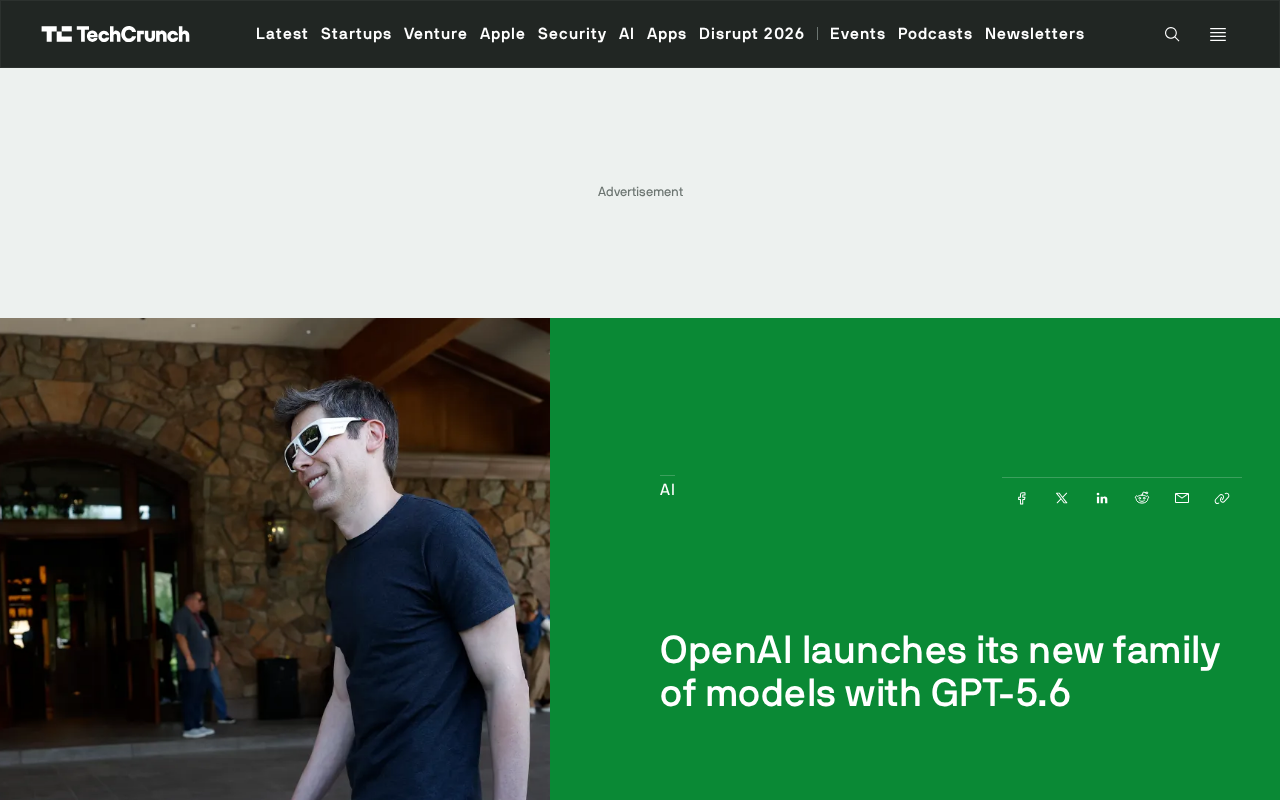
·6 min
OpenAI Releases GPT-5.6: Cybersecurity Capabilities Take Center Stage
OpenAI launches the GPT-5.6 model family with cybersecurity as its biggest highlight. A deep analysis of GPT-5.6's differentiation, double-edged-sword effect, and enterprise strategy.
Read more →
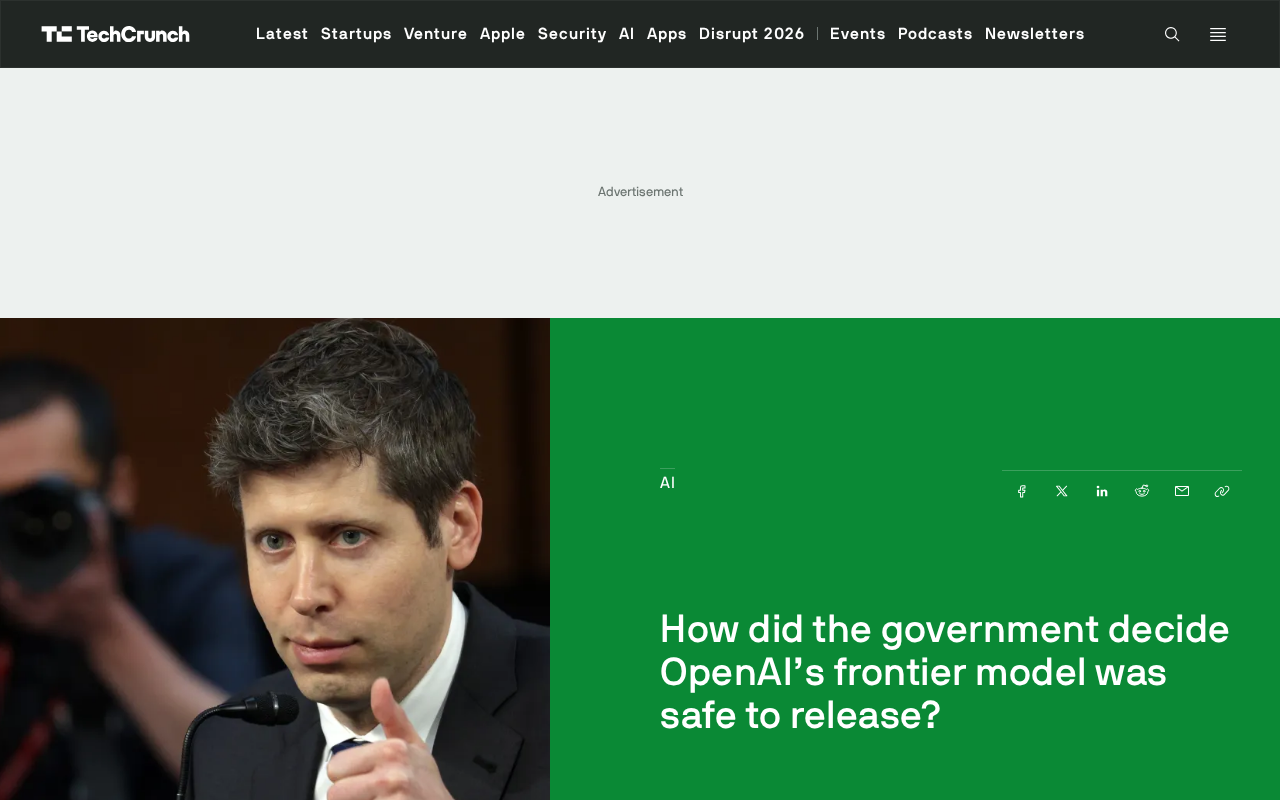
·2 min
Frontier AI Model Safety Evaluation: How Do Governments Make These Decisions?
How do governments evaluate frontier AI model safety? This deep dive examines opacity in AI safety governance, missing standards, regulatory capacity gaps, and paths toward transparent oversight.
Read more →
LLM Security Benchmarking: Current Sta…
·4 min
LLM Security Benchmarking: Current State, Challenges, and Practical Guide
Why is it so hard to establish unified LLM security benchmarks? This article analyzes core challenges in LLM security evaluation—covering jailbreaks, prompt injection, red teaming, and more—with practical strategies for developers.
Read more →

·6 min
GPT-5.6 Three-Model Launch: Soul/Terra/Luna Tiered Strategy and the AI National Security Game
OpenAI previews the GPT-5.6 series — Soul, Terra, and Luna — with a massive 1.5M-token context. In-depth analysis of coding leaps, the Fable 5 national security game, the heating U.S.-China AI race, and workflow economics.
Read more →

·5 min
GPT-5.6 Explained: Sol, Terra & Luna — Tiered Positioning and Capability Comparison
OpenAI releases the GPT-5.6 series with flagship Sol, balanced Terra, and lightweight Luna. An in-depth look at each model's positioning, use cases, pricing, and the multi-agent Ultra architecture.
Read more →

·5 min
GPT-5.6 Launches: Three Product Lines + Government Approval — The Rules of the AI Industry Are Being Rewritten
OpenAI releases GPT-5.6 with three models — Sol, Terra, Luna — bringing major gains in coding and cybersecurity. More critically: the U.S. government now reviews AI model releases, making frontier AI regulation the new industry norm.
Read more →