#RESTful API design
135 related articles

·8 min
Quick Start with SpringBoot for Beginners: From a Java Project to a Real Enterprise Application
Discover why beginners study SpringBoot for six months without getting started. Learn the 'focus on the big' methodology, and evolve a simple Java project step by step into a runnable enterprise application with IDEA.
Read more →

·4 min
Vibe Coding in Practice: Ship an App from Idea to Live in 5 Steps with AI Tools
Use Google Stitch, AI Studio, AntiGravity, GitHub, and Vercel to go from idea to live app in 5 steps. A complete Vibe Coding walkthrough — minimal cost, no deep coding required.
Read more →

·3 min
lx: 72 Local CLI Tools That Bring Ollama Models Into Your Terminal
lx is a set of 72 single-purpose CLI tools running on local Ollama models — no API key, fully offline. Supports git commit generation, log debugging, and more. Rust binaries with <15ms cold start; 7–8B models work great.
Read more →

·3 min
ByteDance Interviewer Deep Dive: How Vibe Coding Is Reshaping Frontend Engineers' Core Competitiveness
A ByteDance interviewer breaks down the 3-layer Vibe Coding interview framework: AI tool awareness, complex product engineering, and a 1-hour full-stack challenge. Architectural thinking wins.
Read more →
Designing APIs for AI Agents: A Paradi…
·3 min
Designing APIs for AI Agents: A Paradigm Shift from Human Interfaces to Agent-Friendly Design
When AI Agents become the primary API callers, traditional interface design assumptions break down. This article explores agent-friendly API design principles and how MCP is driving this paradigm shift.
Read more →
·4 min
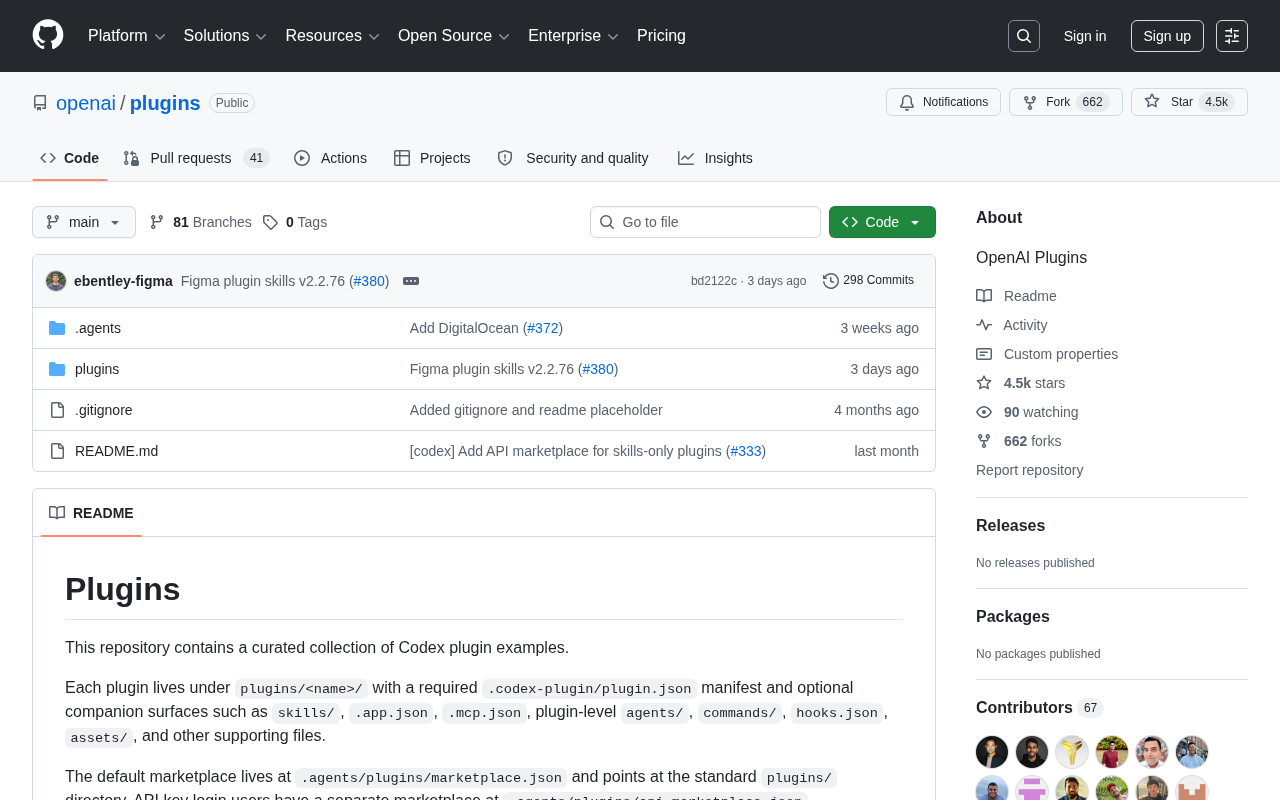
OpenAI Plugins Deep Dive: The Plugin System That Connects ChatGPT to the Real World
A deep dive into OpenAI Plugins: how the system works, its technical architecture, and why it matters. Learn how ChatGPT uses plugins to access real-time data, take real-world actions, and lay the groundwork for AI Agents and Tool Use.
Read more →

·4 min
A Deep Dive into ASP.NET Core: The Complete Guide to Microsoft's Cross-Platform Web Framework
A comprehensive analysis of ASP.NET Core's architecture and technical strengths: cross-platform deployment, high-performance Kestrel server, modular middleware, built-in DI, and modern web capabilities like Blazor, gRPC, and SignalR.
Read more →

·3 min
The Cypress End-to-End Testing Framework: Core Advantages and Usage Guide
An in-depth look at the core advantages of the Cypress front-end automated testing framework: fast execution, a simple easy-to-use API, and stable reliable results. Covers architecture, Selenium comparison, and component testing.
Read more →

·3 min
Deep Dive into gRPC: Building High-Performance Microservice Communication with HTTP/2 + Protobuf
An in-depth analysis of gRPC's core architecture: HTTP/2 multiplexing, Protocol Buffers serialization, and unified multi-language implementation, covering microservice communication and cloud-native integration.
Read more →

·4 min
AI Agents Powering the Full Research Pipeline: A Practical Guide to Automation from Topic Selection to Publication
Learn how to use AI Agents to link the entire research pipeline—from literature management, data analysis, and paper writing to scientific illustration and dissemination—building a reusable research automation workflow with NotebookLM, N8N, and Ollama.
Read more →

·7 min
GPT-5.6 Full Model Lineup Hands-On Guide: A Deep Dive into API Relay Stations and Their Risks
The full GPT-5.6 model lineup is live. How can domestic developers access it at low cost via API relay stations? This article explains the principles, registration, token setup, client integration, and key risks.
Read more →

·4 min
4 Skills to Completely Transform Claude Code: Say Goodbye to Token Waste and Cut Daily Coding to 2 Hours
Does Claude Code always give irrelevant answers? This article breaks down 4 core Skill plugins: Project Context Engine, PRD Requirements Translator, Code Review tool, and Daily Report Generator—showing you how to transform Claude Code from a money-burner into a true AI coding assistant.
Read more →

·7 min
GitHub Copilot in Practice: The Capability Boundaries of AI Programming and the Irreplaceable Value of Humans
A developer's real case of building a dental clinic management system with GitHub Copilot and Azure SQL, revealing AI coding limits in cloud security config and how Human-in-the-Loop breaks through.
Read more →

·3 min
Java Developers Pivoting to AI: Why the Agent Direction Is the Best Choice
How can experienced Java and backend developers pivot to AI? This deep-dive explains why the Agent direction is the best fit — skills transfer well, market demand is high, and the path from "using frameworks" to "understanding source code" is clear.
Read more →

·7 min
Turning Any AI Agent into an Orchestration Hub: A Deep Dive into Multi-Agent Collaboration Architecture
An in-depth analysis of the "any Agent as an orchestrator" design philosophy, exploring the technical implementation of multi-Agent collaboration, context management, and workflow automation.
Read more →

·7 min
21-Day Python Automation Testing Crash Course: A Complete Breakdown of the Three-Stage Learning Path
Learn automation testing from scratch! This article breaks down a three-stage path: Selenium/Appium tools, Requests+PyTest API testing, performance testing and CI/CD, with real projects—build a complete skill set in 21 days.
Read more →

·4 min
Agent Skills Deep Dive: A Complete Guide to Modular Agent Development Architecture
A deep dive into Anthropic's Agent Skills architecture — clarifying its difference from MCP, and how modular Skill packages enable scalable, maintainable enterprise agent development.
Read more →
·7 min
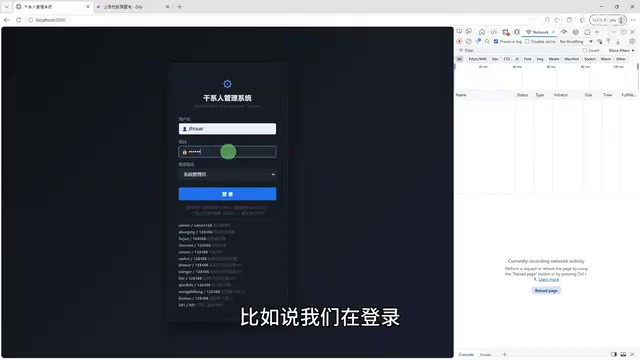
Dify Enterprise System Integration in Practice: Building a Project Management AI Copilot with Workflows
Using a project management system as an example, this article details how to use the Dify low-code platform to achieve AI-powered integration of enterprise internal systems through interface capture and workflow orchestration.
Read more →

·6 min
Skill vs MCP: The Essential Difference Between Two Types of AI Agent Capabilities and How They Work Together
Skill and MCP are two core concepts for building AI Agents. Skill encapsulates task execution methodology, while MCP provides a standardized protocol for connecting external tools. This article breaks down their core differences, abstraction levels, and collaboration.
Read more →

·2 min
Bypass Cursor Pro Restrictions: Use a Local API Proxy to Call Any Model Freely
Have API credits but blocked by Cursor Pro? XY Local Assistant is a local proxy tool that lets you use GPT, Claude, DeepSeek, Gemini, and more in Cursor without a Pro subscription. Includes Token usage tracking. Your API Key never leaves your machine.
Read more →