#RESTful API design
152 related articles

·4 min
Agent Skills Deep Dive: A Complete Guide to Modular Agent Development Architecture
A deep dive into Anthropic's Agent Skills architecture — clarifying its difference from MCP, and how modular Skill packages enable scalable, maintainable enterprise agent development.
Read more →
·7 min
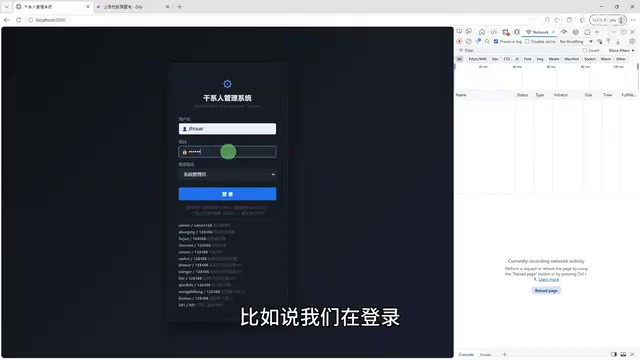
Dify Enterprise System Integration in Practice: Building a Project Management AI Copilot with Workflows
Using a project management system as an example, this article details how to use the Dify low-code platform to achieve AI-powered integration of enterprise internal systems through interface capture and workflow orchestration.
Read more →

·6 min
Skill vs MCP: The Essential Difference Between Two Types of AI Agent Capabilities and How They Work Together
Skill and MCP are two core concepts for building AI Agents. Skill encapsulates task execution methodology, while MCP provides a standardized protocol for connecting external tools. This article breaks down their core differences, abstraction levels, and collaboration.
Read more →

·2 min
Bypass Cursor Pro Restrictions: Use a Local API Proxy to Call Any Model Freely
Have API credits but blocked by Cursor Pro? XY Local Assistant is a local proxy tool that lets you use GPT, Claude, DeepSeek, Gemini, and more in Cursor without a Pro subscription. Includes Token usage tracking. Your API Key never leaves your machine.
Read more →

·7 min
A Complete Guide to LangGraph's Core Concepts: The Framework of Choice for Enterprise Agent Development
An in-depth analysis of LangGraph's core concepts: short-term and long-term storage mechanisms, its differences from LangChain, the MIT open-source license, and private deployment solutions for enterprise Agent development.
Read more →

·4 min
AI Agent for Automated WordPress SEO: A Complete Guide from Diagnosis to Execution
Learn how to use an AI Agent to fully automate WordPress SEO — covering image Alt tags, RankMath API integration, prompt configuration, and more.
Read more →

·6 min
Semi-AI Mode: A Practical Guide to Implementing API Automation Testing
Can't make pure AI work? This guide explores the Semi-AI approach to API automation testing, covering key challenges, enterprise framework design, and how AI and frameworks work together for maximum impact.
Read more →

·7 min
Spring AI 2.0 in Practice: A Beginner's Guide for Java Developers Building AI Agents
A complete Spring AI 2.0 guide for Java developers covering unified API abstraction, RAG, tool calling, MCP protocol, and enterprise projects to build AI Agents.
Read more →

·4 min
Complete Guide to Connecting External Models in Codex: Two Methods to Unlock Full Capabilities
Two methods for connecting external models to Codex: manually configure keys via relay services, or use the CC Tool to auto-bridge GPT, DeepSeek, and more. Covers auth/config files, CC Tool usage, and multi-model switching.
Read more →

·6 min
Codex Configuration in Practice: A Complete Guide to Accessing GPT-5.5 at Low Cost from China
A detailed guide for Chinese developers on configuring the Codex CLI AI coding tool with GPT-5.5 via API proxies, covering setup steps, efficiency gains, and security risks.
Read more →

·4 min
Frontend to Full-Stack AI: A Complete NestJS + LangChain Roadmap
Pure frontend roles are shrinking fast. Learn how mastering NestJS and LangChain AI agent development can unlock a 20–30% salary boost on your full-stack AI transition path.
Read more →

·3 min
Vibe Coding in Practice: The Right Methodology for Open Source Secondary Development
AI coding making your project messier? This article breaks down jungle development vs. secondary development, using Cursor and OpenClaw as examples to teach the "understand first, then execute" methodology.
Read more →

·2 min
FastAPI Fundamentals: Web Development Patterns, API Interfaces, and RESTful Standards Explained
Learn FastAPI fundamentals: frontend-backend separation, what API interfaces really are, and how RESTful standards work. Essential groundwork for Python backend development.
Read more →

·3 min
Cursor AI in Action: Building a RAG-Powered AI Customer Service WeChat Mini Program Store from Scratch
Learn how to build a full-stack AI e-commerce system with RAG-powered customer service using Cursor AI, LangChain, FastAPI, Vue3, and WeChat Mini Program.
Read more →
·3 min
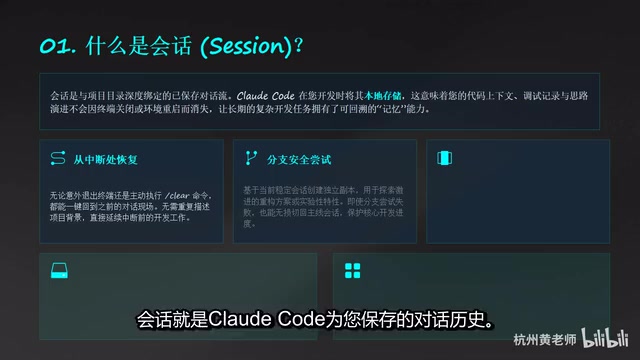
Claude Code Session Management Guide: Five Core Features — Resume, Naming, Browsing, Branching, and Export
A complete guide to Claude Code's five core session management features: resume, naming, browsing, branching, and export. Master shortcuts and context management for an efficient AI coding workflow.
Read more →

·3 min
Vibe Coding: The New AI Programming Paradigm for Full-Stack Development with Zero Coding Experience
Explore Vibe Coding's core concepts and practical applications across frontend UI generation, backend APIs, and one-click deployment, with a zero-to-hero guide for non-programmers.
Read more →

·3 min
The Ultimate Ollama Guide: A Complete Walkthrough for Running AI Models Locally
Complete Ollama guide: install and run open-source LLMs like DeepSeek, Llama, and Qwen locally on Windows/Mac/Linux. Free, private, and beginner-friendly.
Read more →
Bank Accounts for AI Agents: Why the F…
·2 min
Bank Accounts for AI Agents: Why the Financial Infrastructure for Autonomous Agents Is Still Missing
AI Agents already have dedicated emails, but financial infrastructure remains a blank slate. This article analyzes why Agents need independent bank accounts and what ideal solutions look like.
Read more →

·3 min
Python Webhook Callbacks in Practice: Ditch Polling for Efficient Async Communication
Build a complete Python Flask project comparing polling vs. Webhook async communication. Learn to implement callback endpoints for payment notifications and production-grade event-driven architectures.
Read more →

·3 min
Trae IDE in Practice: Building a Student Management System from Scratch with AI Conversational Programming
A detailed walkthrough of using ByteDance's Trae IDE to build a student management system from scratch through hand-drawn prototypes and AI conversation, covering page generation and code analysis.
Read more →