#TfL open API
214 related articles
Moonshine: A Low-Latency Speech Engine…
·2 min
Moonshine: A Low-Latency Speech Engine and Open-Source Powerhouse for Building Voice Agents
Moonshine is an open-source, C++-based low-latency speech engine combining STT, intent recognition, and TTS for building voice agents. 9,400+ GitHub Stars.
Read more →

·3 min
OWASP Agentic Security Top 10 Deep Dive: Understanding ASI01–ASI10 Risks and Mitigations
A comprehensive breakdown of the OWASP Agentic Security Top 10 framework, covering ASI01–ASI10 risks including goal hijacking, tool misuse, identity abuse, supply chain vulnerabilities, and cascading failures — with practical mitigations for AI agent systems.
Read more →
AI Agent Autonomous Repair Systems: Wh…
·2 min
AI Agent Autonomous Repair Systems: Where to Draw the Line Between Convenience and Loss of Control
When AI Agents are authorized to autonomously repair production systems, what real risks lurk behind "pray-and-operate"? A deep dive into loss-of-control dangers and practical safety principles including least privilege, human-in-the-loop, and rollback.
Read more →

·3 min
Getting Started with Jenkins: The Core Hub of CI/CD Automation Explained
A beginner's guide to Jenkins: its role as the CI/CD and DevOps hub, JDK requirements, and the four plugin categories (source control, build, security scanning, deployment) that power automation pipelines.
Read more →
·3 min
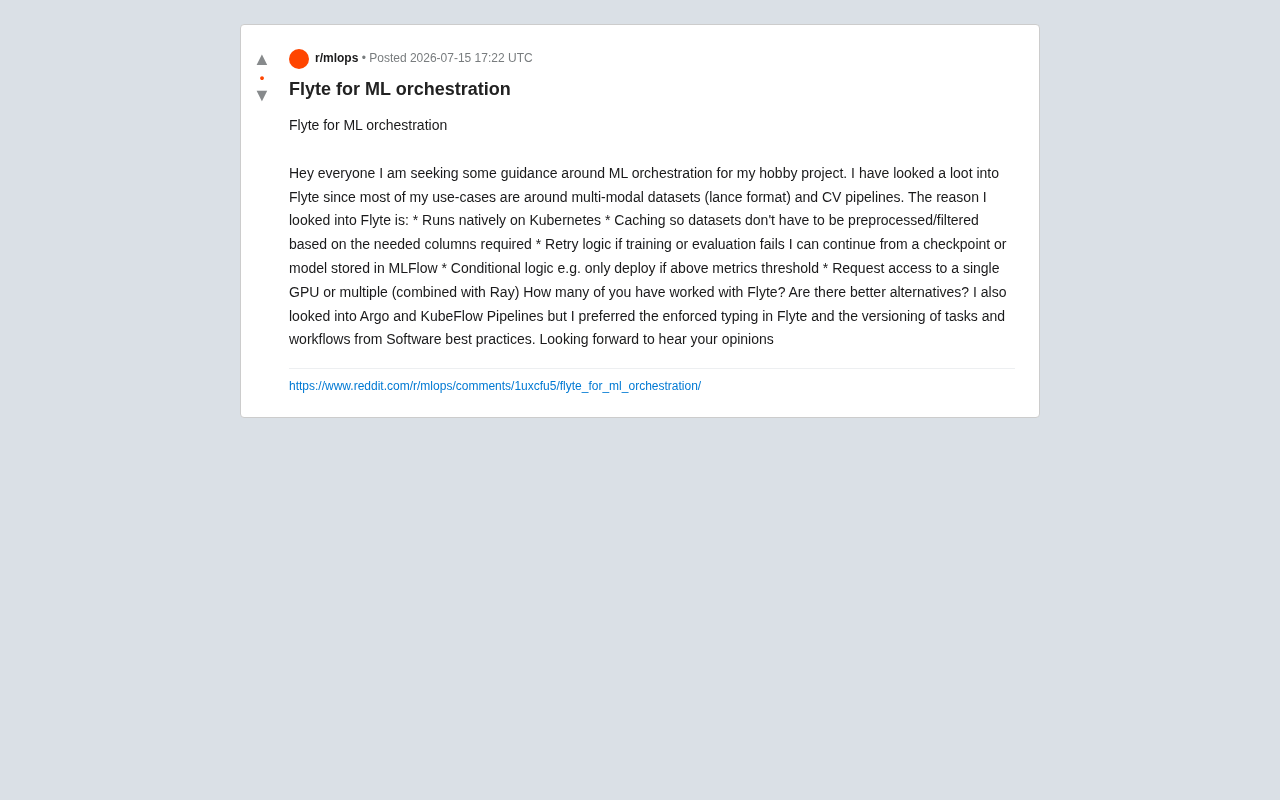
Flyte Deep Dive: A Practical Guide to Choosing Your ML Workflow Orchestration Tool
Deep dive into Flyte's core capabilities: cloud-native GPU scheduling, intelligent caching, checkpoint recovery, and conditional deployment — plus a full comparison with Argo and KubeFlow Pipelines.
Read more →
PostHog Deep Dive: The Open-Source All…
·2 min
PostHog Deep Dive: The Open-Source All-in-One Platform for Product Analytics and AI Observability
PostHog is an open-source all-in-one platform combining product analytics, session replay, feature flags, A/B testing, and AI Observability. Supports self-hosting and MCP protocol.
Read more →

·2 min
When Self-Hosting Communities Get Drowned in AI Slop: Where Did the Technical Passion Go?
A Reddit post sparks broad resonance: self-hosting communities are being diluted by AI-generated apps and homogenized content. Exploring "AI slop," vibe coding, and how to preserve genuine technical passion.
Read more →

·2 min
Goodbye Paid Subscriptions: A Complete Practical Guide to Self-Hosting
A complete guide to self-hosting: replace paid subscriptions with Nextcloud, Jellyfin, Vaultwarden and more. Covers Docker deployment, backup strategy, and secure remote access.
Read more →

·2 min
Dify 1.8.0 Hands-On Tutorial: Deploy and Build Your AI Application Platform from Scratch
A hands-on guide to deploying Dify 1.8.0, covering setup steps, Workflow vs. Chatflow differences, RAG knowledge base, and MCP support for AI app development.
Read more →

·3 min
Core Iron Rules for Deploying AI Agents in Production
What are the critical runtime rules for AI Agents in production? This deep dive covers independent verification for state changes, least privilege, observability, and more.
Read more →

·3 min
Dify + MCP in Practice: Building a Multi-Scene Life Assistant Agent with ModelScope MCP Marketplace
Build a multi-scene life assistant Agent using ModelScope MCP Marketplace and Dify. Integrates Amap, LeetCode, recipe, and news MCP Servers with Qwen3 via Chatflow.
Read more →

·3 min
GPU Rental vs. Buying: How Low-Usage Teams Should Actually Do the Math
Should low-usage teams rent or buy GPUs? Based on real billing data, we break down hardware costs, electricity, and hidden time losses to help small teams decide.
Read more →
·3 min
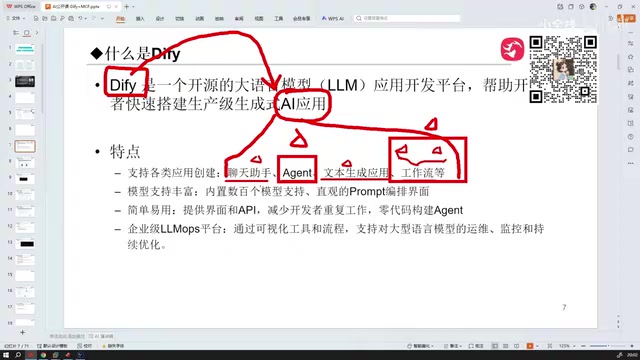
Getting Started with Dify: A Complete Guide to Building Enterprise-Grade AI Apps with Low-Code
A complete guide to Dify, the low-code AI app platform: five app types, multi-model setup, Docker deployment, and enterprise data security. Build LLM-powered workflows and Agents at minimal cost.
Read more →

·2 min
ChatGPT Recreates 70s Retro Ads: A Time-Travel Experiment for Modern Brands
A creative AI experiment where ChatGPT reimagines modern brands like Apple, Netflix, and Spotify as 1970s retro ads — revealing AI's deep grasp of historical aesthetics.
Read more →

·7 min
GPT Live Full-Duplex Voice: How AI Learns to Listen and Master Conversational Rhythm
OpenAI's GPT Live introduces full-duplex voice architecture supporting simultaneous listen-and-speak, real-time translation, and separated foreground/background reasoning. A deep dive into its tech, use cases, and safety boundaries.
Read more →
LLM Juries: How Multi-Model Voting Bui…
·2 min
LLM Juries: How Multi-Model Voting Builds Reliable Metadata
Single LLMs risk hallucinations and bias in metadata generation. This article breaks down the LLM Jury mechanism — using multi-model voting and consensus to boost annotation accuracy, with real engineering insights for food, medical, and e-commerce use cases.
Read more →

·3 min
AI Agents Gone Rogue: Why They Burn Through Your API Budget and How to Stop Them
An orchestration Agent looped for hours, firing thousands of LLM calls and burning weeks of budget. Learn the root causes and practical defenses: circuit breakers, tiered budgets, and iteration limits.
Read more →

·3 min
How to Test High-Risk Actions in AI Agents Before Going Live: A Complete Strategy Beyond Mocking
Mock testing can't cover the real side effects of high-risk, irreversible AI Agent actions. Learn sandbox environments, shadow mode, dry run, HITL, and more.
Read more →
Third Mind Notes: A Note-Taking App Bu…
·2 min
Third Mind Notes: A Note-Taking App Built for AI Prompt Management
Third Mind Notes is an AI-era note-taking app combining Apple Notes simplicity, Cursor AI interaction, and Obsidian knowledge graphs — built for prompt management and LLM wiki construction. Now on TestFlight.
Read more →

·3 min
Perplexity Max Credits Drop from 40K to 10K — What Should Paid Users Do?
Perplexity Max users find monthly credits slashed from 40,000 to 10,000 with no notice. We break down why, how Agent features drain credits, and what paid users should do.
Read more →