#automated partition management
66 related articles

·3 min
GrowthBook 5.0: Deep Dive into the AI-Native All-in-One A/B Experimentation & Growth Platform
GrowthBook 5.0 unifies feature flags, A/B experimentation, and product analytics into an AI-native, warehouse-native platform. Deep dive into its AI Visual Editor, Agent Skills ecosystem, and value for growth teams.
Read more →

·2 min
Pets vs Cattle: Decoding the Core Metaphor of Cloud Computing Operations Philosophy
An in-depth analysis of the classic "Pets vs Cattle" metaphor in cloud computing, exploring the shift from traditional IT ops to cloud-native thinking and clarifying common misconceptions.
Read more →

·2 min
If AI Writes All the Code, What's Left for Programmers?
AI coding tools are spreading fast—so where does programmer value lie? This article analyzes three key role shifts: from writer to reviewer, implementer to designer, and lone wolf to coordinator.
Read more →
·3 min
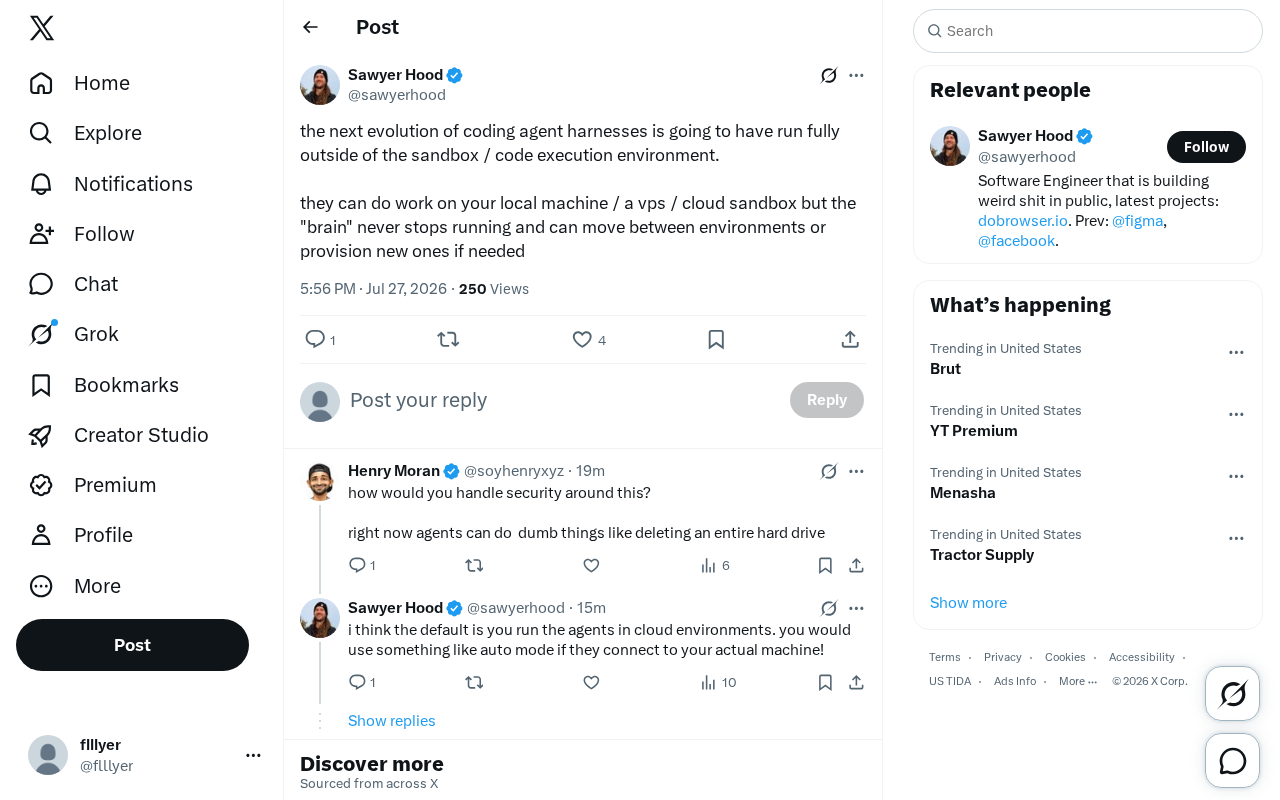
The Next Evolution of Coding Agents: Letting the Brain Break Free from the Sandbox
Exploring the key evolution in coding agent architecture: separating the reasoning core from code execution environments to decouple control and execution planes.
Read more →
·3 min
The Next Evolution of Coding Agents: Letting the Brain Escape the Sandbox
Exploring the next evolution in coding agent architecture: decoupling the reasoning core from code execution environments to separate control and execution planes.
Read more →
·6 min
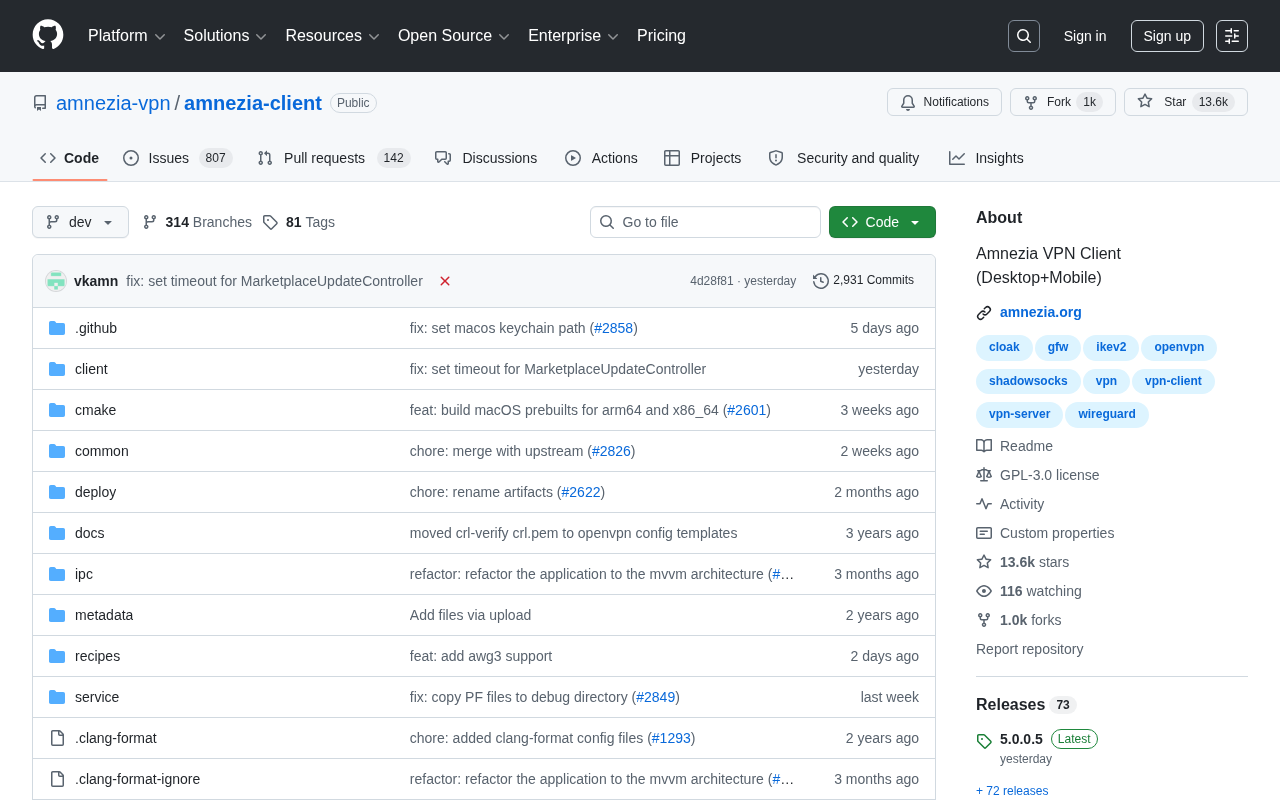
AmneziaVPN Deep Dive: The Open-Source Powerhouse for Self-Hosted, Censorship-Resistant VPN
Deep dive into the AmneziaVPN open-source client: AmneziaWG anti-DPI obfuscation, self-hosted VPS deployment, multi-protocol support, and cross-platform privacy.
Read more →

·3 min
Vibe Coding vs. AI Engineering: A Practical Guide to Enterprise-Level AI Programming
From Vibe Coding to AI Engineering, explore Claude Code vs Codex tool selection, real enterprise boundaries of AI programming, and how to build maintainable AI-assisted development workflows.
Read more →

·3 min
Career Pivot at 47: Midlife Job Anxiety and Redefining Competence in the Age of AI
A 47-year-old engineer who pivoted to data science faces re-employment struggles — a mirror of AI-era anxiety: does using AI count as coding? How to break the midlife career trap?
Read more →

·3 min
DeepAgents in Practice: A Complete Guide to Building a HarmonyOS Automated Testing Agent
A deep dive into DeepAgents' core mechanisms, with a hands-on guide to building a HarmonyOS automated testing Agent — covering create_deep_agent, LangChain comparison, and long-chain task planning.
Read more →

·1 min
Claude Code + Skills: Full Walkthrough of Auto-Generating Test Cases in 10 Minutes
With Claude Code and a Skills framework, go from requirements doc to test cases in under 10 minutes. A 3-stage automated pipeline: breakdown, extraction, and generation.
Read more →
Structured Information Extraction with…
·3 min
Structured Information Extraction with Local 7B Quantized Models: Root Cause Analysis and Engineering Optimization
Using Qwen 2.5 7B quantized locally to extract 60+ fields from insurance/financial contracts? Learn why it struggles and how task splitting, RAG, GBNF, and smarter chunking can fix it.
Read more →
Coinbase Outage Postmortem: The Deeper…
·4 min
Coinbase Outage Postmortem: The Deeper Causes of Failed Zone Failover and Its Lessons
A deep dive into Coinbase's global trading system outage—why multi-AZ deployment still couldn't prevent the disruption. Analyzing the missing automated zone failover, the core elements of financial-grade HA architecture, and reliability lessons for every team.
Read more →

·6 min
GPT-5.6 Sol Hands-On: How Multi-Agent Parallelism Is Reshaping AI Coding Workflows
Based on Fireship's review, an in-depth look at GPT-5.6 Sol's Ultra Mode multi-agent parallelism, its 91.9% Terminal Bench score, and how it differs from Claude Fable in cost, speed, and precision.
Read more →
·6 min
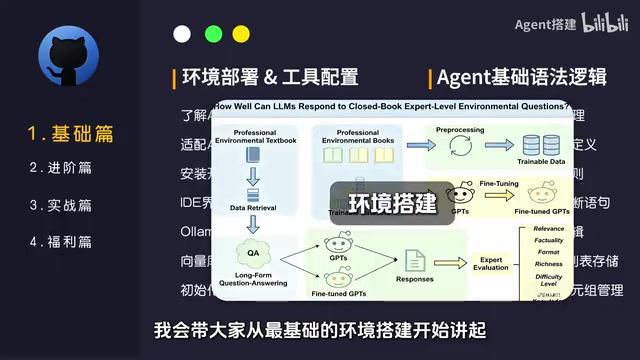
AI Agent Development Learning Path: Four Stages from Zero to Hands-On Projects
A systematic breakdown of the AI agent development learning path, covering four stages: fundamentals, RAG knowledge bases, tool use, multi-agent collaboration, and hands-on projects.
Read more →
·5 min
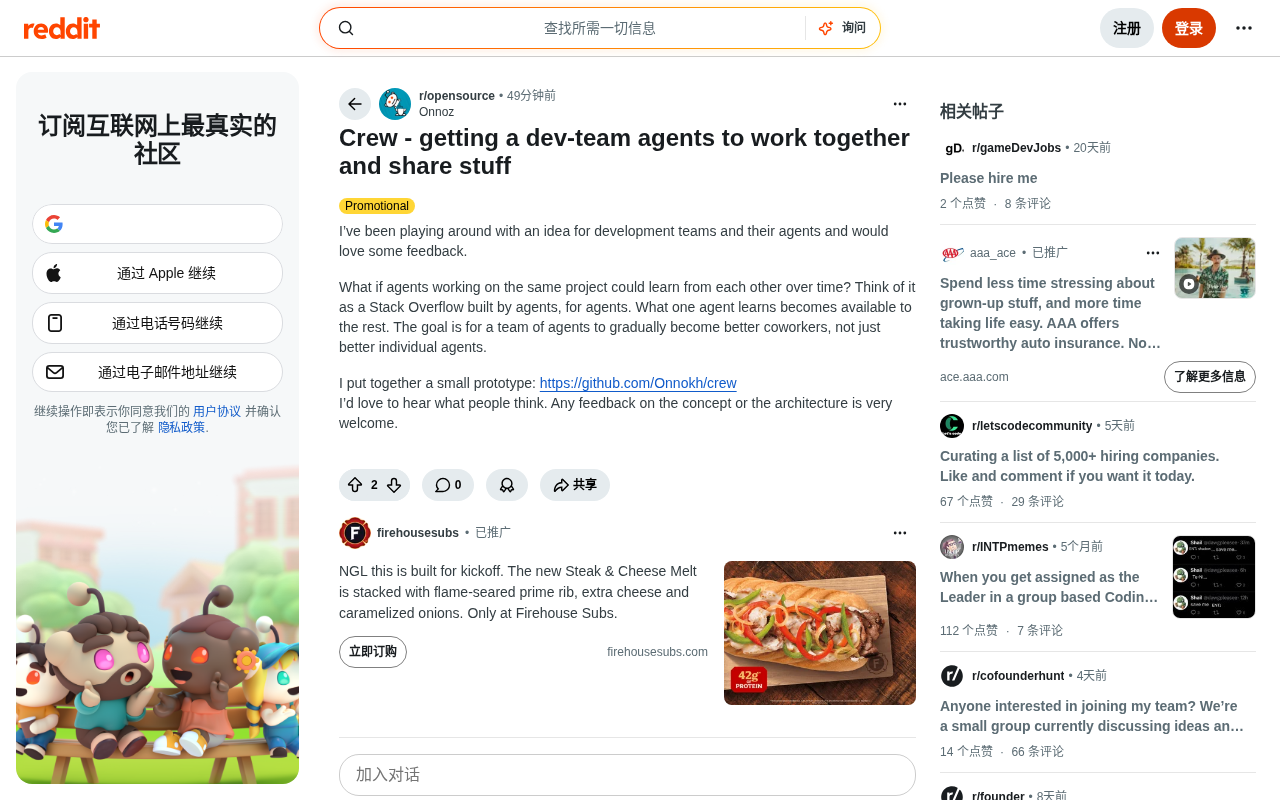
Crew: Enabling Multiple AI Agents to Collaborate and Share Knowledge Like a Team
Crew is an open-source AI agent collaboration framework whose core idea is to build a "Stack Overflow" for agents—letting multiple agents share experience and accumulate knowledge, shifting from optimizing single agents to building evolving teams.
Read more →

·3 min
Benchmarking LLMs on Smartphones: A Deep Dive into the MELTing Point Benchmark
The MELTing Point paper is the first to evaluate mobile LLM performance in real user scenarios, covering iPhone, Samsung, Pixel and more, testing TinyLlama, Mistral-7B and others—revealing GPU inference gains, 47°C heat warnings, and prefill-decode disaggregation.
Read more →

·3 min
Farewell to a Decade-Old VPS: Technical and Emotional Insights from Retiring an Old Server
A tweet saying "rest well, old friend" resonated across the tech community. This article explores VPS lifecycle management, best practices for retiring old servers, and the unique emotional bond between engineers and infrastructure.
Read more →

·3 min
Spending $200K to Test GPT-5.6: Have AI Coding Assistants Reached a Tipping Point?
Developer Theo spent ~$200K over 6 weeks testing GPT-5.6 across 67 projects — from 20-hour autonomous coding runs to fixing boot partitions and Rust rewrites.
Read more →

·7 min
Turning Any AI Agent into an Orchestration Hub: A Deep Dive into Multi-Agent Collaboration Architecture
An in-depth analysis of the "any Agent as an orchestrator" design philosophy, exploring the technical implementation of multi-Agent collaboration, context management, and workflow automation.
Read more →

·7 min
21-Day Python Automation Testing Crash Course: A Complete Breakdown of the Three-Stage Learning Path
Learn automation testing from scratch! This article breaks down a three-stage path: Selenium/Appium tools, Requests+PyTest API testing, performance testing and CI/CD, with real projects—build a complete skill set in 21 days.
Read more →