#browser extension development
434 related articles
·3 min
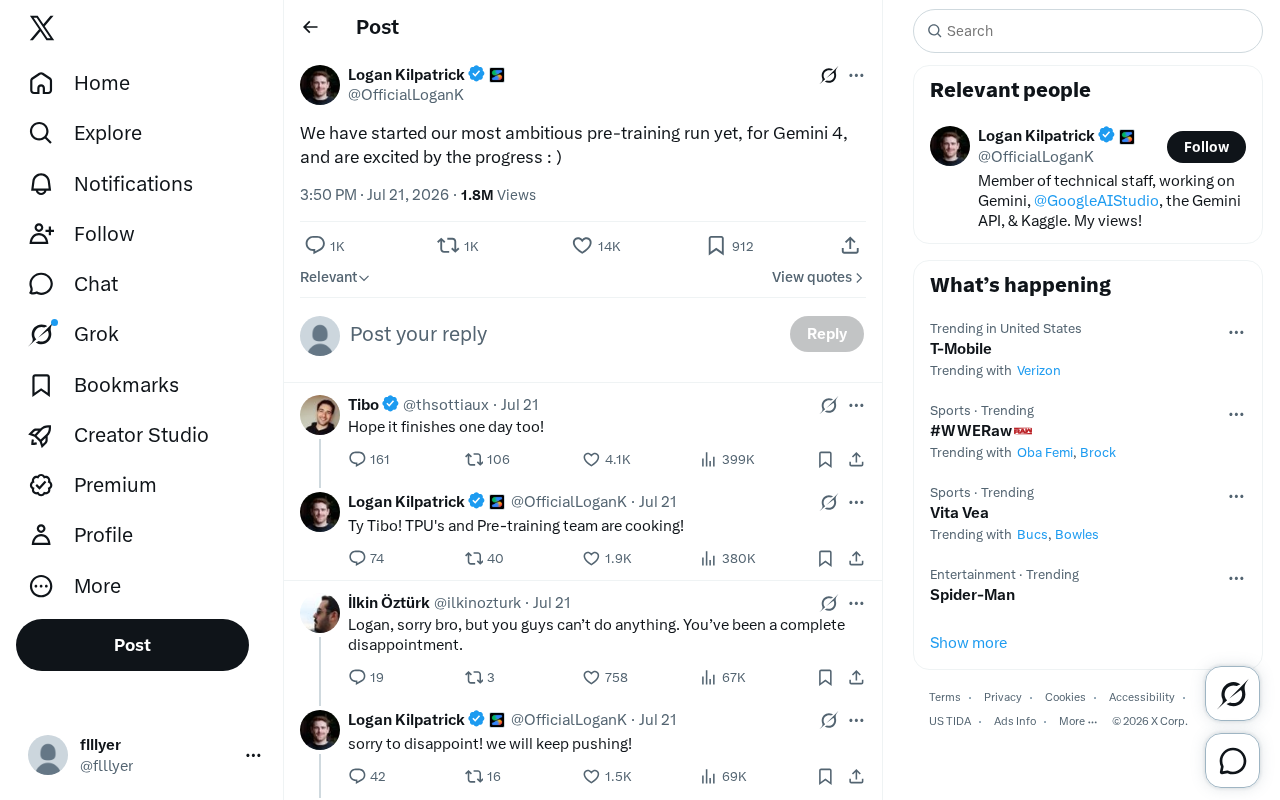
Google Launches Gemini 4 Pre-training: Its Most Ambitious AI Model Training Yet
Google DeepMind announces Gemini 4 pre-training has begun, calling it their most ambitious training yet. A deep dive into its technical direction, compute scale, multimodal breakthroughs, and competitive impact.
Read more →

·2 min
Perplexity Stuck in Computer Mode and Can't Switch? Root Cause Analysis and Solutions
Perplexity stuck in Computer Mode and can't switch back to normal search? This article analyzes the technical causes including server-side preference stickiness and platform differences, with practical solutions.
Read more →

·3 min
Getting Started with Codex: A Complete Guide to AI Agent Programming Tools
Compare Codex and Claude Code AI agent programming tools. Learn AI Agent concepts, tool selection, cost analysis, and GPT account setup in this complete beginner's guide.
Read more →

·5 min
Getting Started with Codex: Four Product Forms Explained & How to Choose Between Cursor, Claude Code, and Codex
In-depth analysis of OpenAI Codex's four forms (CLI, web, plugin, app), comparing Codex, Claude Code, and Cursor on price, stability, and use cases to help developers choose the right tool.
Read more →

·3 min
Readest Alternatives: Free Self-Hosted Reading Apps with Sync
Readest charges for self-hosted sync, sparking user backlash. Discover free open-source alternatives like KOReader, Calibre-Web, and Kavita for cross-platform reading progress sync.
Read more →

·3 min
Dear ImGui Deep Dive: Why This Immediate Mode GUI Library Has Won Over C++ Developers
Deep dive into Dear ImGui's immediate mode GUI design, technical features, and use cases. Covers immediate vs retained mode, backend support, game engine integration, and ecosystem extensions.
Read more →
·6 min
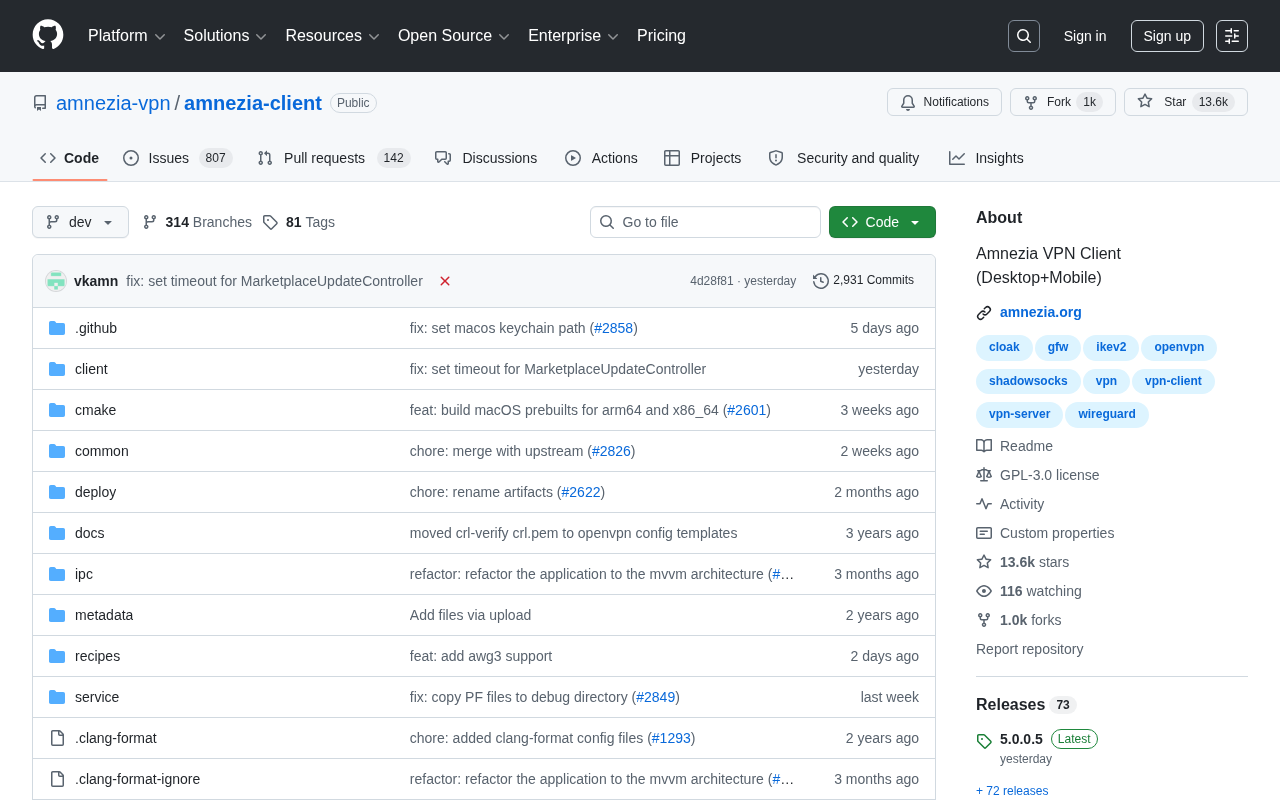
AmneziaVPN Deep Dive: The Open-Source Powerhouse for Self-Hosted, Censorship-Resistant VPN
Deep dive into the AmneziaVPN open-source client: AmneziaWG anti-DPI obfuscation, self-hosted VPS deployment, multi-protocol support, and cross-platform privacy.
Read more →

·3 min
Cursor + Claude in Action: Building a Python Student Management System from Scratch with AI
A step-by-step guide to building a Python student management system from scratch using the AI editor Cursor with Claude. Covers Agent, Ask, and Manual modes, model selection, and the full workflow.
Read more →

·3 min
Coze Agent Development in Practice: From Beginner to Multi-Agent Collaboration
Coze is ByteDance's homegrown agent-building platform. This article covers getting started with Coze, its comparison with Dify, skill system, workflow orchestration, and multi-agent collaboration.
Read more →

·3 min
Building AI Agents with Coze: From Beginner to Multi-Agent Collaboration
Coze is ByteDance's homegrown agent-building platform. This article explains getting started with Coze, comparison with Dify, its skill system, workflow orchestration, and multi-agent collaboration.
Read more →

·3 min
Hermes Agent in Practice: A Self-Evolving AI Agent Framework
Hermes Agent is a mature AI Agent framework with built-in Claude Code and Codex coding capabilities, supporting 200+ models, multi-platform deployment, and WeChat integration. Its layered memory and self-evolution features enable low-Token automated task execution.
Read more →

·4 min
Claude Code from Scratch: A Complete Guide from Installation to Enterprise-Grade Development
A complete guide to Claude Code from beginner to enterprise practice: covering CLI installation, connecting domestic LLMs via CC Switch, basic commands, Git workflow integration, automated bug fixing, and engineering capabilities like MCP and SubAgents.
Read more →

·3 min
Pi Agent Configuration Guide: Building Your Own AI Coding Assistant
A step-by-step Pi Agent configuration tutorial covering installation, LLM connection, extension ecosystem, MCP setup, and Token-saving tips. Learn to build a truly controllable AI coding assistant.
Read more →

·3 min
AI Agent in Action: Building a Local Netlist Analysis Plugin for JLCEDA from Scratch
How a Bilibili creator used AI Agent, MCP, and Playwright to build a JLCEDA local netlist analysis plugin from scratch—covering features, setup, and the full Agent-driven dev process.
Read more →

·3 min
In-Depth Analysis of Three AI Test Automation Approaches: Code Scripting, DOM Parsing, and Visual Models
A systematic breakdown of the three mainstream test automation approaches in the AI era: AI-generated code scripts, DOM parsing driven, and LVM visual model driven. In-depth comparison of principles, pros/cons, and use cases.
Read more →
·2 min
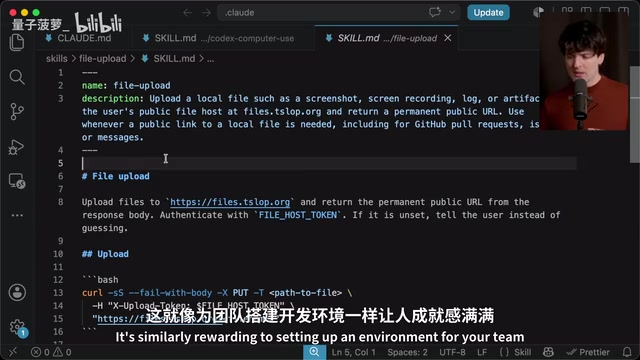
The Age of AI Coding: Why Tinkering Engineers Are Worth More Than Ever
Claude Code creator Boris and developer Theo reveal: in the AI Agent era, tinkering habits like automation, building small tools, and writing CLAUDE.md are becoming the core edge for reaching Staff engineer level.
Read more →

·1 min
The Complete Guide to Claude Code: How Does an AI Coding Assistant Differ from a Regular Chat AI?
An in-depth look at Claude Code's core features and advantages: auto-reading project context, direct code execution, remembering coding preferences, and connecting external services via MCP. Compared with Cursor and ChatGPT to help developers choose.
Read more →

·3 min
The AI Coding Landscape: Model Tiers, Tool Camps, and a Deep Dive into MCP/Skills/CLI
A systematic map of today's AI coding landscape: the evolution from ChatGPT to Claude Code, LLM capability tiers, tool camps like Cursor/Copilot, and the three key weapons of the Agent era — MCP, Skills, and CLI.
Read more →

·2 min
Grok 4.5 Hands-On Review: Code Generation and Research Visualization Capabilities
Hands-on review of xAI's Grok 4.5: one-shot web code generation and research figures rivaling top journal visuals. Covers core capabilities, Claude Opus comparison, and aggregation platform tips.
Read more →

·3 min
Got Codex but Don't Know What to Build? Use 'Friction Point Thinking' to Find Real Needs
Installed Codex or Claude Code but don't know what to build? This hands-on browser extension case reveals the core methodology of the AI coding era: start from your own and others' 'friction points' to find worthwhile projects.
Read more →